Why Do People Still Use Fax Machines?
0 up · 0 down · 0 ratings
Promos
How do fax machines work, and why do people still use them in the age of e-mail? Freshbooks message: Head over to freshbooks.com and don’t forget to enter Tech Quickie in the “How Did You Hear About Us” section when signing up for your free trial. Techquickie Merch Store: designbyhumans.com Techquickie Movie Poster: shop.crowdmade.com Leave a comment with your requests for future episodes, or tweet them here: twitter.com Follow: twitter.com Join the community: linustechtips.com
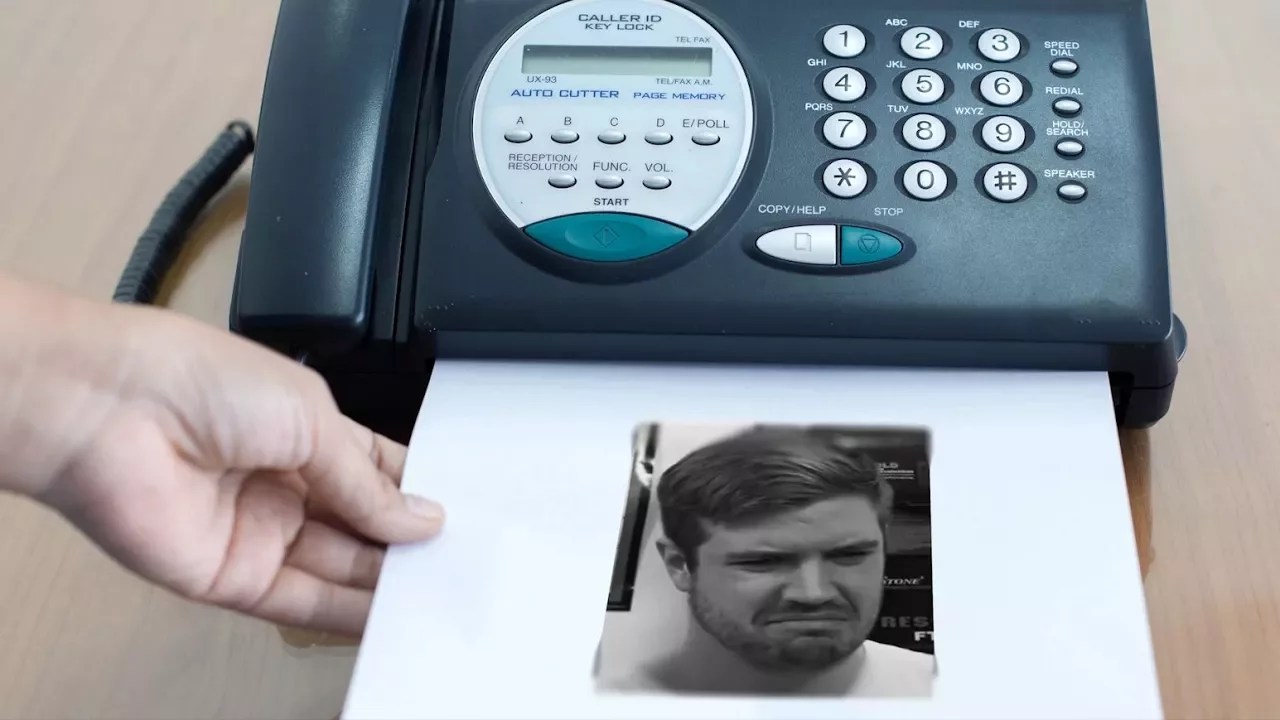
The video opens with a playful setup that frames the fax machine as a surprisingly persistent technology, despite living in the age of email and instant digital communication. It explains that faxing works by treating each page as a grid of black and white squares, scanning line by line, and converting those lines into tones that travel over phone lines to a receiving device that prints a copy. The host emphasizes the simplicity of the mechanism, noting that the lack of internet involvement makes faxes an appealing backup in scenarios where online connections are unstable or unavailable. The discussion then moves to practical reasons why some organizations still rely on fax today, such as the need for physical documents in legal or medical contexts and the desire for a one-step process that bypasses the need to download, rotate, or print attachments. It is highlighted that the reliability of traditional phone lines and the perceived security of a non-internet pathway contribute to continued use, albeit with limitations like low resolution, lack of grayscale, and slow data transfer rates compared to modern scanners. Finally, the video touches on the balance between continuing to use legacy tech for reliability and embracing newer tools for efficiency, concluding that faxes remain a viable, if aged, option in certain professional settings. The discussion then broadens to considerations of workflow and backup strategies in small businesses and professional practices. It compares the old school approach of sending a hard copy through a dedicated channel with the modern demand for digital, easily archived documents. The host notes that while many organizations are transitioning to email and cloud-based systems, there are cases where a physical paper trail is legally or procedurally required, making fax a practical compromise. The segment ends by reminding viewers that the right tool depends on context, including whether the priority is speed, reliability, security, or archival fidelity, and it teases external services and products that help streamline financial and administrative tasks for freelancers and small businesses.
Topics · technology · communication technology · business tools · security and privacy
Questions answered
- Why do some organizations still rely on fax machines in the digital age?
- Some organizations rely on fax machines because they provide a simple, one-step process to move physical documents to another location without needing to print or email, which can be important for legal, medical, or regulatory reasons where a physical copy or a secure, non-internet transmission is preferred.
- What are the main drawbacks of using fax machines today?
- The main drawbacks are slow data transfer over legacy phone lines, low resolution and lack of grayscale imaging, and the need for physical hardware and paper, which makes them less convenient than modern digital alternatives.