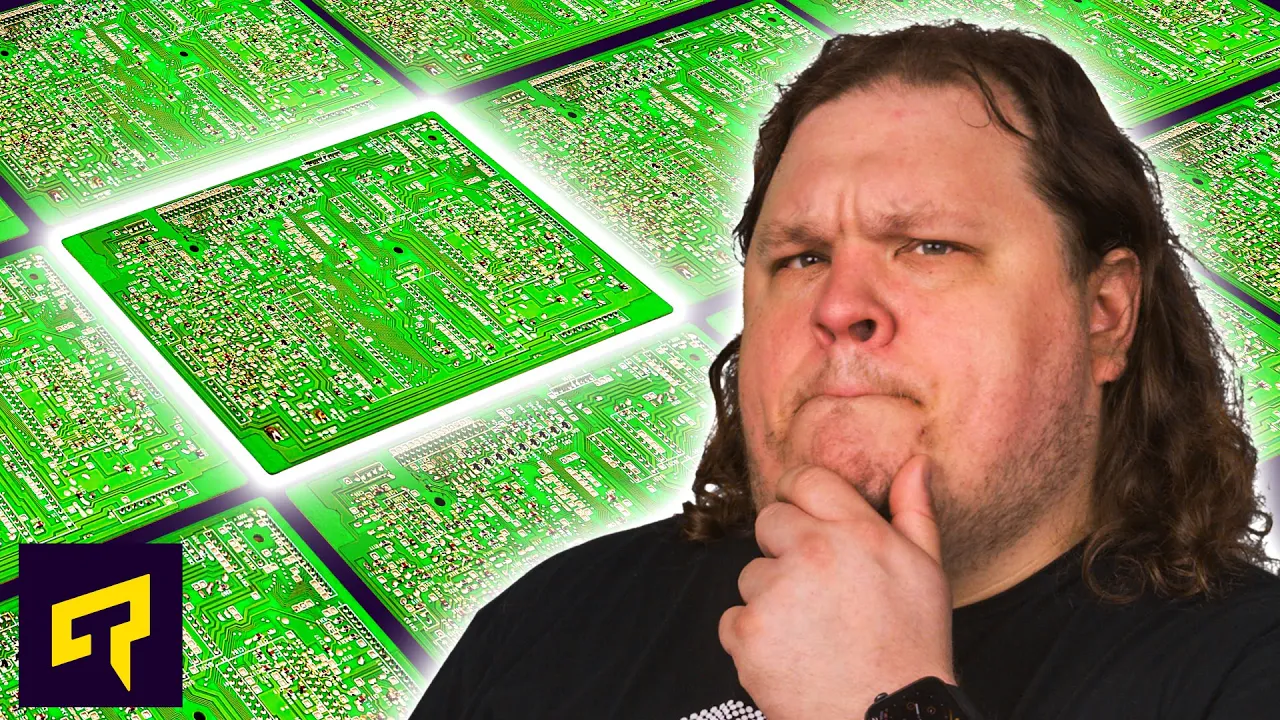
Why Are Circuit Boards Green?
0 up · 0 down · 0 ratings
Promos
Sign up for Private Internet Access VPN at privateinternetaccess.com Why are PCBs so often green instead of another color? Leave a reply with your requests for future episodes, or tweet them here: twitter.com ►GET MERCH: lttstore.com ►SUPPORT US ON FLOATPLANE: floatplane.com ►LTX EXPO: ltxexpo.com AFFILIATES & REFERRALS --------------------------------------------------- ►Affiliates, Sponsors & Referrals: lmg.gg ►Private Internet Access VPN: lmg.gg ►MK Keyboards: lmg.gg ►Nerd or Die Stream Overlays: lmg.gg ►Official Game Store: nexus.gg ►Amazon Prime: lmg.gg ►Audible Free Trial: lmg.gg ►Our Gear on Amazon: geni.us FOLLOW US ELSEWHERE --------------------------------------------------- Twitter: twitter.com Facebook: @LinusTech Instagram: @linustech Twitch: twitch.tv FOLLOW OUR OTHER CHANNELS --------------------------------------------------- Linus Tech Tips: lmg.gg Mac Address: lmg.gg TechLinked: lmg.gg ShortCircuit: lmg.gg LMG Clips: lmg.gg Channel Super Fun: lmg.gg Carpool Critics: lmg.gg
The video explains why circuit boards, or PCBs, are traditionally green. It notes there isn’t a single reason for the color, but a major factor is the solder mask layer that protects the board from oxidation and prevents solder bridges. In the early days, the solder mask contained glass epoxy and naturally had a green tint, similar to the color seen in old glass, which led to the initial green appearance. Over time, manufacturers tried to recolor boards and settled on green because it was easier to produce in bulk and was aesthetically more acceptable than the brownish tones that earlier boards displayed. The video also highlights practical reasons: a green background provides high contrast for copper traces and white labels, aiding visibility for engineers, quality control, and hobbyists who inspect boards for errors. Some claims discuss potential benefits such as improved yield and the possibility that certain colors allow denser component spacing, which could reduce production errors. There are mentions of military patents and camouflage considerations, but the core takeaway is that green became the industry standard due to a combination of historical material properties, visibility, manufacturing practicality, and cost, with modern manufacturing now offering more color options though green remains ubiquitous for many boards. The host also briefly plugs related content and VPN services, aligning the video with the channel’s broader tech focus and monetization approach.
Topics · electronics · manufacturing · technology · science
Questions answered
- Why is PCB solder mask commonly green?
- The green color originated from early glass epoxy materials and the masking lacquer, which naturally had a green tint; green became standard because it offered good visibility of traces and labels, was cost-effective for bulk production, and remained aesthetically acceptable.