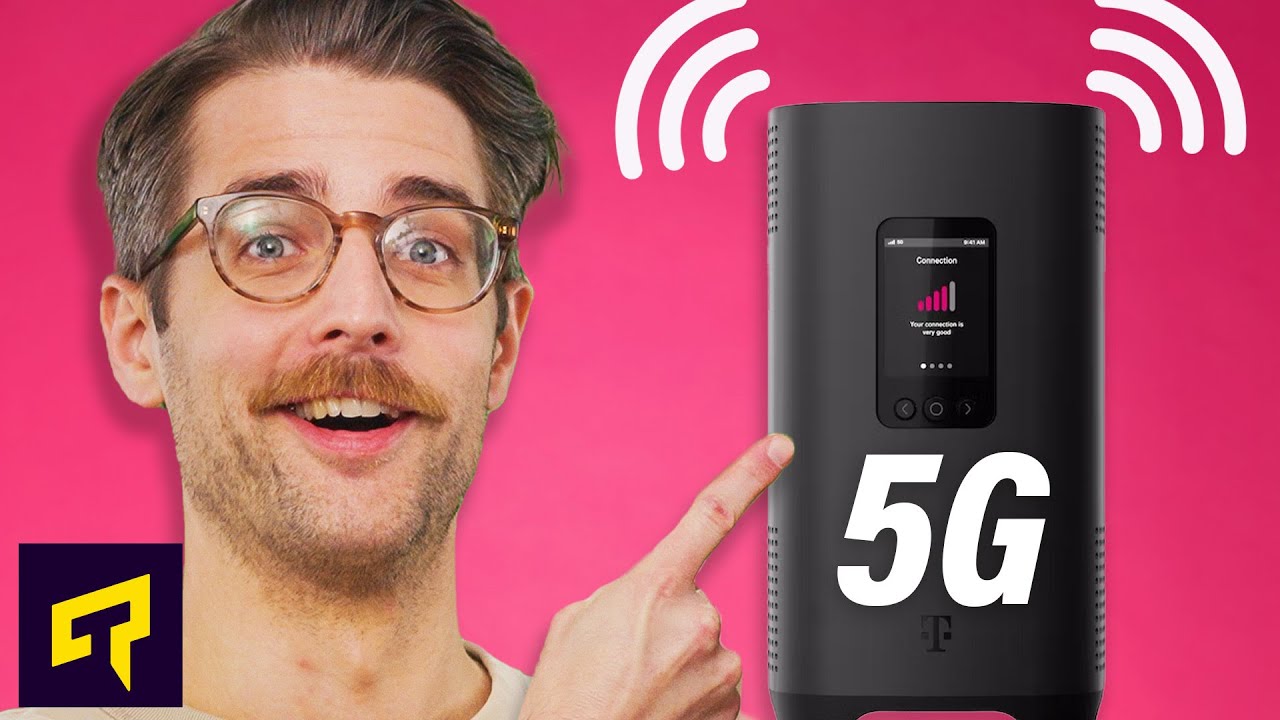
Is 5G Home Internet BETTER Than Fiber?
0 up · 0 down · 0 ratings
Promos
Remove your personal information from the web at joindeleteme.com and use code Techquickie for 20% off. Could 5G home internet be a better solution than fiber, cable, or satellite? Leave a reply with your requests for future episodes. ► GET MERCH: lttstore.com ► LTX 2023 TICKETS AVAILABLE NOW: lmg.gg ► GET EXCLUSIVE CONTENT ON FLOATPLANE: lmg.gg ► SPONSORS, AFFILIATES, AND PARTNERS: lmg.gg FOLLOW US ELSEWHERE --------------------------------------------------- Twitter: twitter.com Facebook: @LinusTech Instagram: @linustech TikTok: @linustech Twitch: twitch.tv
The video examines whether 5G home internet can be a viable replacement for fiber or cable, highlighting both its appealing conveniences and its potential drawbacks. It starts by explaining that wireless home Internet is not new but that modern 5G aims to deliver higher speeds and lower latency without requiring a direct line of sight to a tower. The presenter contrasts 5G with satellite and other wireless options, noting that satellites often suffer from high latency and limited speeds, while WiSPs may require clear line of sight and can still experience directional signal constraints. The discussion then shifts to practical considerations, such as the ease of setup and the flexibility to place a 5G modem wherever there is a power outlet, as well as the potential for cost savings when bundling with a mobile plan. The video also warns about variability in performance, stressing that 5G speeds and latency can swing based on signal quality and network load, making it a “try it and see” proposition in many areas. The host dives into technical flavors of 5G, the importance of understanding whether a provider uses millimeter wave, mid-band, or low-band 5G, and the implications for in-wall penetration and indoor reliability. It concludes by weighing use-case scenarios where 5G home internet could be worth considering, particularly for latency-insensitive tasks or budget-conscious households, while reminding viewers to evaluate actual coverage and service terms before deciding. The closing remarks balance practical steps like testing current phones, checking upload speeds, and assessing whether the perceived savings justify potential trade-offs in consistency and performance.
Topics · technology · internet · consumer electronics · gaming
Questions answered
- How does 5G home internet compare to fiber in terms of latency for gaming and real-time applications?
- 5G home internet can experience larger swings in latency compared to wired fiber, making it less predictable for latency-sensitive gaming and real-time applications, though some users report acceptable performance in practice.
- What factors should consumers verify before choosing a 5G home internet plan?
- Consumers should verify the specific 5G flavor offered (millimeter wave vs mid-band vs low-band), whether the connection relies on a 4G backbone, the required line of sight, coverage reliability, potential speed/latency variations, upload speeds, and any bundle pricing or installation terms.