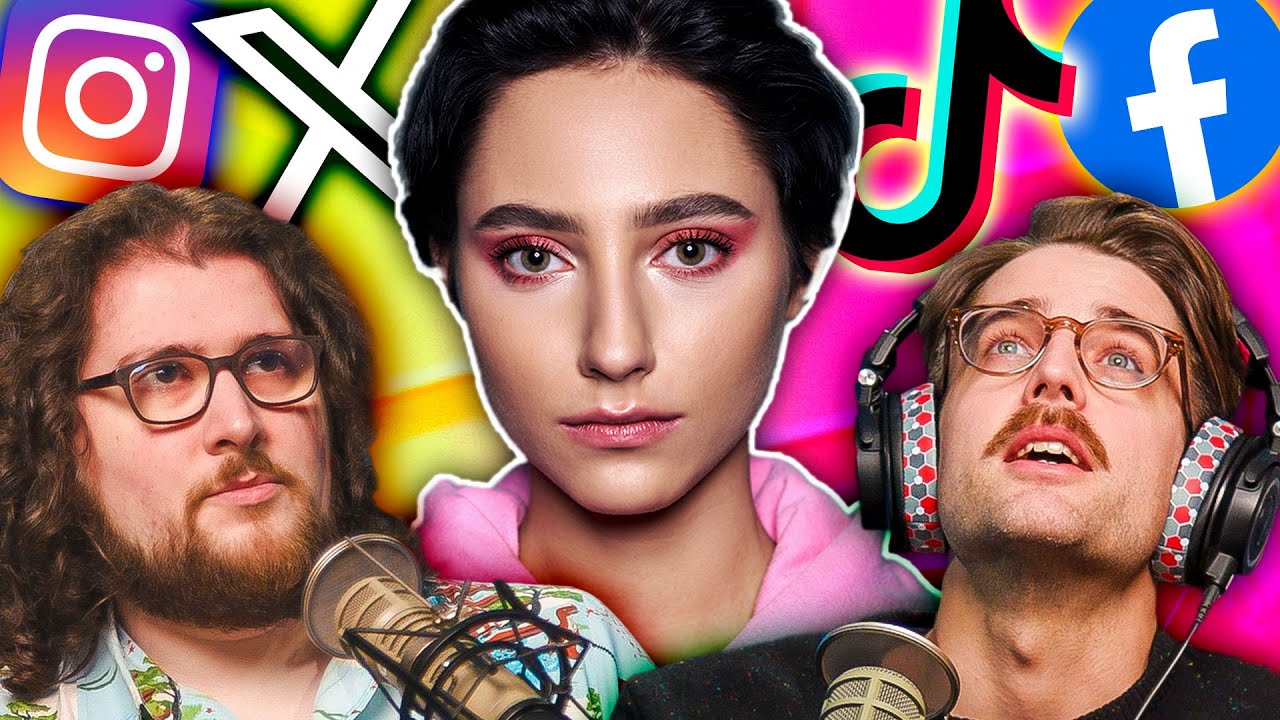
Banning Social Media
0 up · 0 down · 0 ratings
Description
Reach and engage with your audience!
Promos
Check out Moosend free for 30 days and save 10% at lmg.gg Jakob and Riley have a very very serious discussion about Florida's recent social media ban for teens and the federal bill that could ban TikTok (if ByteDance doesn't sell it). ► LISTEN TO THE TECH NEWS: lmg.gg ►GET MERCH: lttstore.com ►SUPPORT US ON FLOATPLANE: floatplane.com ►LTX EXPO: ltxexpo.com NEWS SOURCES: lmg.gg --------------------------------------------------- Timestamps: 0:00 Florida Social Media Ban 12:25 Good luck with that 18:34 The TikTok ban bill FOLLOW US ELSEWHERE --------------------------------------------------- Twitter: twitter.com Instagram: @TechLinkedYT Facebook: @TechLinked TikTok: @techlinkedyt #TalkLinked
The video centers on Florida's recently enacted social media restrictions for minors, framing it as one of the most restrictive attempts in the United States to limit underage access to online platforms. The hosts explain that Governor Ron DeSantis signed a law targeting digital accounts for those under a certain age with provisions that would ban or heavily restrict minor access once the law takes effect, and they discuss how parental permission is handled for various ages. They travel through the legislative process, noting that the bill has passed both houses and has signs of a compliance period before it becomes active, while highlighting potential legal challenges and the likelihood of court battles over constitutionality. The hosts compare Florida to other states that have enacted age-based bans, pointing out differences in age thresholds and parental consent requirements, and they consider political dynamics, including party positions and cross-party support in some cases. They emphasize that the debate is not purely about the science of social media harm, but about how to structure policy, enforceability, and civil liberties, while also acknowledging the broader societal concerns about youth mental health and digital wellbeing. The discussion turns to the mechanics of how such laws might be enforced, including requirements for parental oversight and the possible impact on platforms that rely on mechanisms like infinite scrolling or engagement algorithms, with examples drawn from various platforms such as TikTok, YouTube, and pornographic sites. They raise concerns about privacy implications, including potential demands for government-issued IDs, data localization, and the risk that regulation could push minors toward less regulated or more dangerous online spaces. The hosts also examine the federal TikTok ban bill, describing it as a “don’t do this, or else” framework that would require ByteDance to divest, and they note the political and regulatory complexity of enforcing a nationwide order. They discuss the possible outcomes of the TikTok legislation in Congress, including tensions between the House and Senate, and potential actions by the FTC regarding data privacy and security, while considering broader questions about the appropriate role of government in moderating platforms and the balance between innovation and safety. The hosts draw parallels with European regulatory approaches and new challenges around app stores and data governance, and they close by inviting audience feedback on the social media bans, the TikTok bill, and the philosophical implications of regulating digital spaces, while keeping a light, conversational tone throughout. In summary, the video presents a nuanced examination of the Florida bill, the federal TikTok disclosure framework, and the broader debate about protecting minors online while preserving civil liberties and the open internet, all framed within a tech policy lens suitable for an audience interested in technology, law, and public policy.
Topics · technology · policy · society · law · internet_privacy · digital_media · education for digital citizenship
Questions answered
- What is the Florida social media bill about for minors and what age groups does it affect?
- The bill bans or restricts social media access for minors under a certain age, with parental permission being a factor for some ages, and it is designed to take effect after a waiting period following passage.
- How might the TikTok federal bill work in practice for ByteDance and the platform?
- It would require ByteDance to divest TikTok or otherwise meet conditions to allow TikTok to operate in the US, functioning as a regulatory framework that offers a path to continued access only if requirements are satisfied.
- What are the key concerns raised about privacy and data during these discussions?
- Concerns include government ID requirements for accounts, data localization, potential government access to user data, and the possibility that foreign-owned platforms could expose or misuse data.
- What is the role of parental oversight in these proposals?
- Parental oversight is presented as a mechanism to guide underage users, with arguments that better tools and education for parents could help mitigate risks without broad bans.