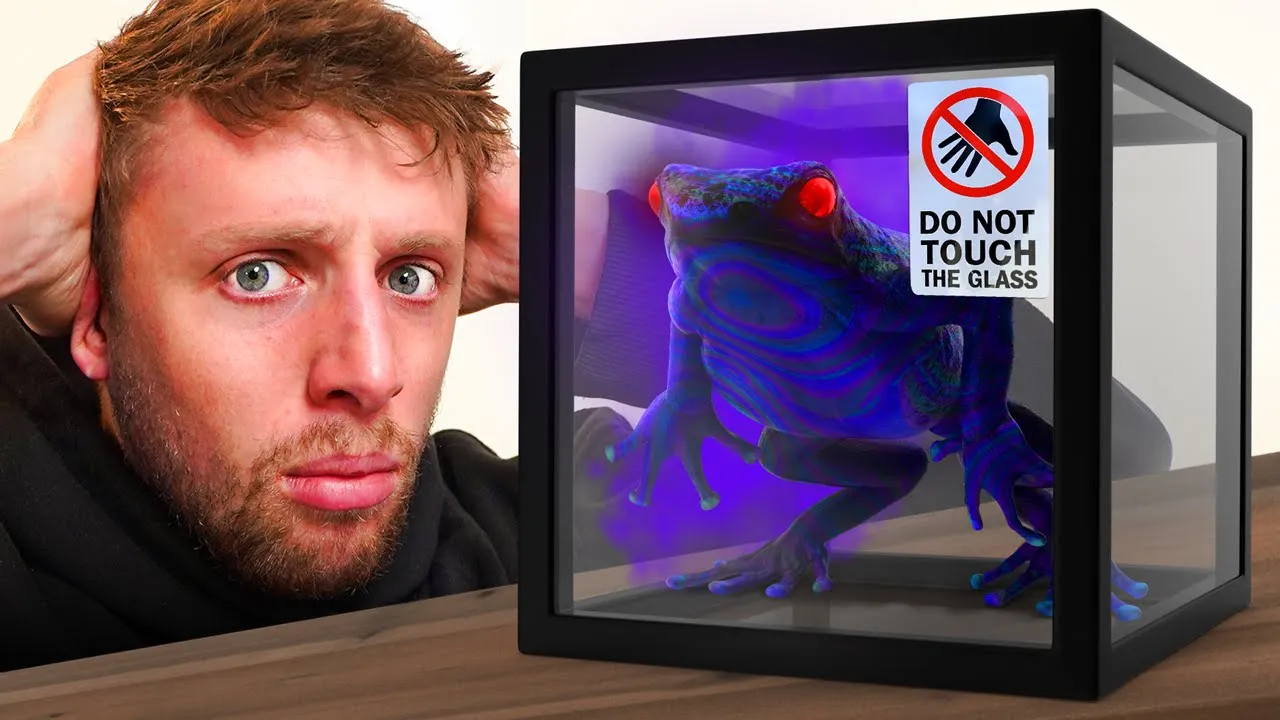
14 ANIMALS YOU DON'T WANT TO MESS WITH!
0 up · 0 down · 0 ratings
Channels and socials
: Order food NOW at: eatsides.com : Access exclusive content at: sideplus.com : XIX Vodka: xixvodka.com : Subscribe to our Reacts Channel: youtube.com
: Sidemen Clothing: sidemenclothing.com Subscribe to our 2nd Channel: youtube.com : Sidemen Instagram: @Sidemen : Sidemen Twitter: twitter.com #SidemenReacts #Reacts #ReactsClips
The video presents a countdown of 14 animals that are formidable and should not be trifled with, starting with a tour of creatures whose appearance and behavior alone signal danger. It frames the audience around a broad survey of extreme predators and venomous species, describing the hazards of each animal with vivid, accessible explanations. Early sections focus on potent venom and alarming bite or sting mechanics, using memorable anecdotes and visuals to convey why these animals command respect. The host team uses a mix of humor and awe to keep the pacing engaging, transitioning from one animal to the next while highlighting key traits such as venom potency, speed, and ambush tactics. By the midsection, the emphasis shifts to apex predators whose size and power redefine what we consider dangerous in nature, including large reptiles and marine mammals. The conclusion caps the list with high-profile examples like killer whales, underscoring the scale of threat that even seemingly manageable wildlife can represent. Across the entire presentation, the balance of science and spectacle helps viewers appreciate both the beauty and risk inherent in the animal kingdom.
Topics · wildlife · education · entertainment · nature · science
Questions answered
- Why do some venomous animals have bright colors or patterns?
- Bright coloration in venomous animals often serves as a warning signal to potential predators, indicating that the animal is dangerous or unpalatable.
- What defines a creature as one of the most dangerous to humans on land or sea?
- Danger is typically defined by a combination of venom potency, bite or sting speed, hunting strategy, and the likelihood of contact with humans, along with any documented cases of harm.