ULTIMATE Tech Tool Bag - See What Linus & Slick Carry
0 up · 0 down · 0 ratings
Promos
What do you keep in YOUR tech tool bag? Did we miss anything? Post your own tech toolbag contents in this forum thread: bit.ly Sponsor links to iRacing promotion participating retailers: linustechtips.com Read more & join our community forum: bit.ly twitter.com @LinusTech
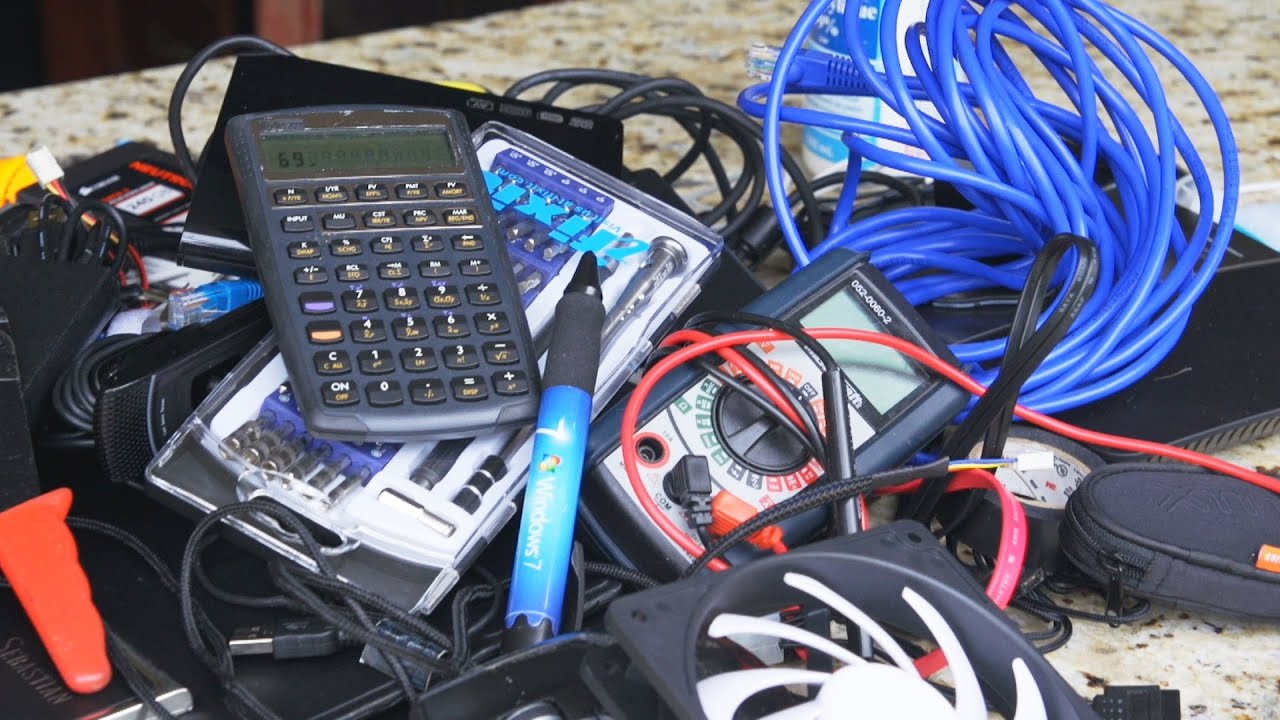
The video opens with Linus explaining that what follows is an overview of his ultimate tech tool bag, revealing the kinds of gear he routinely carries for working on computers and tech projects. He starts with the big essentials, highlighting a lightweight ultrabook for portability, a dedicated mouse with a mouse pad, and a tablet for quick lookups or media viewing. As he digs deeper into the bag, he_itemizes a long list of practical tools and spare parts, including an SSD with an operating system for fast diagnostics, spare RAM, an external optical drive, and a USB hub to expand connections on laptops with limited ports. He also emphasizes maintenance and diagnostic readiness with items like isopropyl alcohol, thermal compounds, and a selection of cables, adapters, and connectors that cover network, display, and storage needs. Throughout, Linus notes the importance of organization, safety with anti-static gear, and the flexibility to troubleshoot a wide range of hardware issues on the go. In the middle section, the focus shifts to accessories that facilitate rapid repairs or testing. He demonstrates how a multimeter, wire strippers, zip ties, and a compact extension cord help in diagnosing and configuring systems in different environments. The bag also houses a robust toolkit from iFixit, including an anti-static wrist strap, precision screwdrivers, security bits, and multiple pry tools for delicate dissections. Linus discusses several practical odds and ends like a spare power adapter, a USB wireless adapter for networking tests, and video adapters to bridge various display standards. He emphasizes the value of having a modular external hard drive with a USB 3 to SATA adapter so that data transfer or recovery is possible even when the primary drive is unavailable. By the end of this section, the bag feels like a Swiss Army toolkit for tech professionals, capable of supporting field work, on-site diagnostics, and quick rebuilds. In the final portion, Linus wraps up with reflections on the balance between preparedness and practicality. He jokes about the sheer volume of gear and acknowledges that some items may seem excessive, but defends the philosophy of being ready for almost any scenario. The video closes with a call to viewers to share their own bag contents and to engage with the community thread to compare setups and swap tips. He also plugs Linus Tech Tips channels for more unboxings, reviews, and computer-related content, inviting continued curiosity about the gear that tech enthusiasts carry daily.
Topics · technology · hardware · tutorials · reviews · lifestyle · gear-review
Questions answered
- What are the core items Linus carries in his ultimate tech tool bag for everyday work on computers?
- Core items include a lightweight ultrabook, a mouse with a mouse pad, a tablet, a webcam, an SSD with an OS for diagnostics, spare RAM, external optical drive, USB hub, anti-static gear, a multimeter, wire strippers, zip ties, extension cords, and a comprehensive iFixit toolkit with precision screwdrivers and pry tools.
- Why does Linus carry USB sound cards and video adapters in the bag?
- USB sound cards help troubleshoot audio issues that can occur on different systems, while video adapters bridge varying display interfaces (DisplayPort, DVI, etc.), enabling quick test setups or demonstrations across machines.
- What is the purpose of the iFixit toolkit in the bag?
- The iFixit toolkit provides anti-static protection and a selection of precision screwdrivers, security bits, and pry tools that make it easier to disassemble, repair, or upgrade hardware without damaging components.