Why Energy Price Rises Punish the Poor & Reward the Rich
0 up · 0 down · 0 ratings
Channels and socials
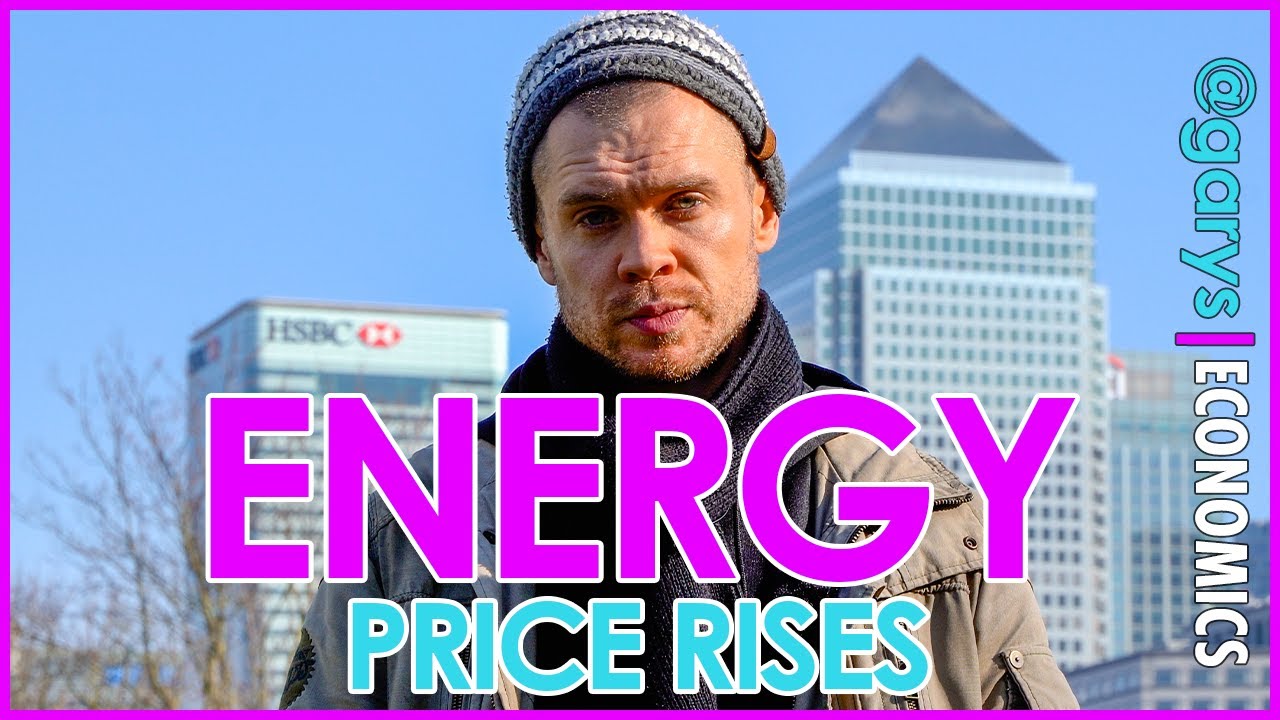
Gary cancels his planned video so that he can talk about the recent Energy Price Rises which have dominated the news and left the poor wondering how they will survive. With the riches of Canary Wharf in the background he explains why these rises wont affect the rich nearly as much as you would think - but instead punishes the poor heavily - all while they are already being punished. SUBSCRIBE, SHARE & START A CONVERSATION SOCIAL MEDIA: WEBSITE - wealtheconomics.org TWITTER - @garyseconomics FACEBOOK - @garyseconomics INSTAGRAM - @garyseconomics Performed by Gary Stevenson GARYSECONOMICS Produced by Simran Mohan MOHAN MEDIA
The video argues that energy price increases are not an unavoidable consequence of external shocks but a political choice that disproportionately harms ordinary households while enriching the wealthy. It starts by outlining the recent surge in energy and food costs, tying it to the Ukraine crisis, and emphasizes that bills will rise even if people do not yet see the impact in their monthly statements. The presenter points to data showing a historic rise in billionaire wealth during the pandemic and asserts that there has never been more money in the accounts of the rich and super rich, suggesting a structural misalignment in policy. He then explains why the burden falls on the poor: richer households consume far more energy, but the impact of rising prices as a share of disposable income hurts low- and middle-income families much more. The core argument is that energy taxation in this crisis would crush the poor further, whereas a wealth-transfer approach could be used to reward energy savers. The proposed solution, carbon dividends, would reward those who use less energy and finance transfers from the rich to ordinary people, effectively turning energy policy into a redistributive tool. The video challenges the government to adopt more progressive taxation and to rethink how energy policy is structured, suggesting that a broad coalition is needed to push for reforms like carbon dividends rather than piecemeal subsidies. The overall takeaway is that current policies risk perpetuating inequality, while more transformative options could reduce consumption while supporting vulnerable households rather than punishing them, ending with a call to collective action to demand changes from policymakers.
Topics · economy · policy · inequality · energy-policy
Questions answered
- What is carbon dividend and how does it work to reduce energy consumption while supporting ordinary people?
- Carbon dividend is a policy idea where the revenue from carbon pricing is redistributed to citizens as payments, rewarding those who use less energy and transferring wealth from fossil fuel-intensive activities to the general public, particularly benefiting lower-income households.
- Why would taxing energy use hurt the poor more than the rich in this crisis?
- Because energy costs take up a larger share of income for poorer households, so a tax that raises energy prices reduces their disposable income much more than it does for wealthier households, who spend a smaller percentage of their income on energy.