The Weirdest Disks Ever
0 up · 0 down · 0 ratings
Promos
Thank you for watching! It can become challenging to communicate online and work from home. With the help of Grammarly, the right tone can move any project forward! Sign up for an account and get 20% off Grammarly Premium: grammarly.com Optical discs aren't all CDs and DVDs! Learn about some cool disks of the past. Leave a reply with your requests for future episodes. ► GET MERCH: lttstore.com ► LTX 2023 TICKETS AVAILABLE NOW: lmg.gg ► GET EXCLUSIVE CONTENT ON FLOATPLANE: lmg.gg ► AFFILIATES, SPONSORS & REFERRALS: lmg.gg ► OUR WAN PODCAST GEAR: lmg.gg FOLLOW US ELSEWHERE --------------------------------------------------- Twitter: twitter.com Facebook: @LinusTech Instagram: @linustech TikTok: @linustech Twitch: twitch.tv
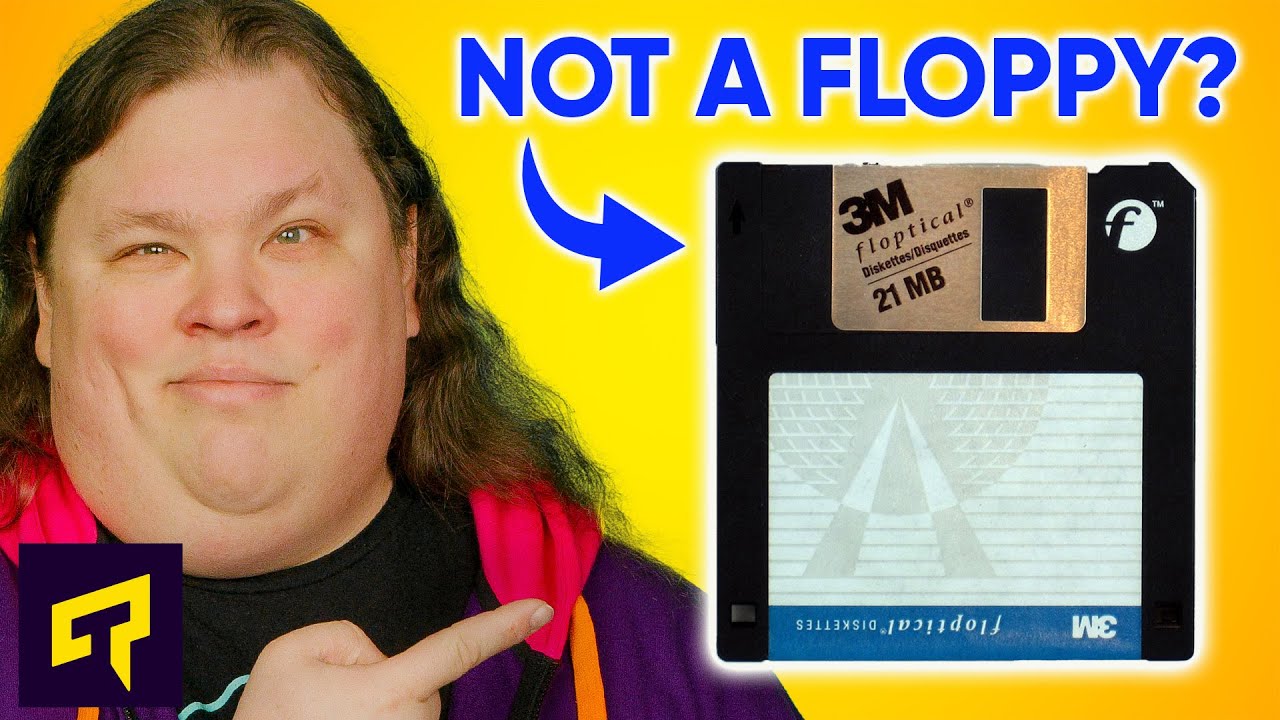
The video kicks off by situating optical discs beyond the familiar CD and DVD, introducing the floptical disk as a clever yet ultimately unsuccessful enhancement. It explains that a floptical disk used a standard 3.5 inch floppy shape but employed laser-based stabilization to read and write data more precisely, which allowed higher storage density than traditional floppies. The host contrasts the floptical approach with the competing ZIP drives from Iomega and the late 1990s shift toward rewritable CDs, explaining why the floppy-inspired format never overtook conventional media despite its theoretical advantages. The discussion then moves to CD plus G, a variation of compact discs that used blank space in the audio track to encode simple graphics, often serving karaoke machines and promotional material rather than full video content. The host notes that CD plus G enjoyed a period of use in karaoke contexts and some game consoles, but its influence waned as video-capable formats and standard CDs evolved. Finally, the video previews other niche formats like Sony's PSP UMDs, describing how their proprietary nature limited broad adoption despite initial popularity, and teases the broader theme of how ambitious storage formats rise and fall. The segment ends with a prompt for audience interaction about future topics, underscoring the educational and nostalgic focus of exploring quirky media history.
Topics · technology · history of technology · data storage · consumer electronics
Questions answered
- What was the main idea behind the floptical disk and why did it fail to replace standard floppy drives?
- The floptical disk used a 3.5 inch form factor with laser stabilization to improve data write and read accuracy, increasing storage capacity compared with typical floppies. It failed to replace standard floppy drives because it was delicate, unreliable, and expensive, and other formats like Zip drives offered higher capacity and better performance.
- What was the purpose of CD plus G and where was it most commonly used?
- CD plus G used blank space in the original audio CD format to encode simple graphics, mainly serving karaoke machines and promotional content for some music albums, with limited use beyond karaoke and certain game consoles.