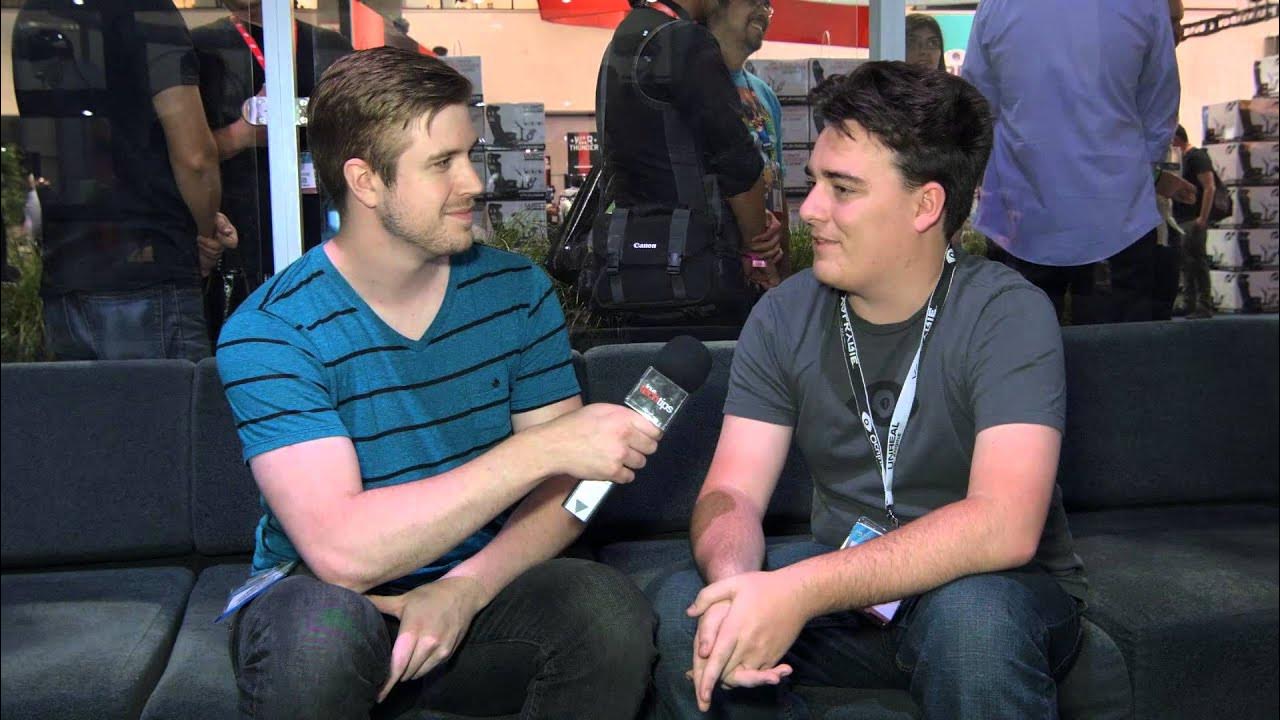
30FPS vs High FPS discussion with Palmer Luckey - E3 2014
0 up · 0 down · 0 ratings
Channels and socials
I was more than excited to interview Palmer Luckey and I'm excited to know for sure that he is on the crusade to end the crap excuse that is 30FPS! HyperX Links: Subscribe to HyperX: youtube.com Learn more: kingston.com Our E3 2014 Sponsor Info!: linustechtips.com A special thank you to HyperX for letting us
check out their offices! twitter.com @LinusTech Join our community forum: bit.ly
Linus Tech Tips presents a concise yet informative interview with Palmer Luckey at the Oculus booth during E3 2014, focusing on the importance of higher frame rates for virtual reality. The discussion opens with a comparison of 30 FPS versus 60 FPS, highlighting how 60 FPS is a baseline for VR and how 90–120 Hz can bring noticeable improvements in visual fidelity. Palmer explains that VR requires higher refresh rates than traditional PC games, and he outlines the benefits of 120 Hz for smoother motion and better immersion. He also touches on motion tracking, haptic feedback, and the potential for Android and PC experiences to diverge, citing panoramic photo capture and virtual movie theaters as future possibilities. The interview concludes with a call to action for viewers to follow more E3 content and a thank‑out to HyperX and other partners.
Viewers respond positively to the interview, praising Palmer’s insights and the clarity of the discussion. Comments highlight enthusiasm for higher FPS in VR, humor about the 24‑vs‑60 comparison, and appreciation for the interview’s pacing. Several users note the interview’s relevance to both console and PC gaming, while others comment on the quality of the microphone and the overall production value. Overall sentiment is upbeat, with many likes and replies indicating strong engagement.
Topics · gaming · review · pc · tech · linus · computer · performance · cpu
Questions answered
- What frame rates does Palmer suggest are optimal for virtual reality?
- Palmer advocates for 60 Hz as a baseline and sees 90–120 Hz as the sweet spot for future VR experiences.
- What improvements does Palmer foresee for Android versus PC VR experiences?
- He expects panoramic photo capture, virtual movie theaters, and enhanced graphics that will be more pronounced on PC than on mobile devices.
- How does Palmer view motion tracking and haptic feedback in VR?
- He believes that natural interaction and body tracking are key, and that R&D in this area will bring significant advances in the near future.