We Did it, YouTube! - Project Light Tether Pt2 (finale)
0 up · 0 down · 0 ratings
Channels and socials
Big, bulky tethers for VR headsets need to GO! Our solution isn't necessarily pretty, but holy crap, it's awesome... Buy HTC Vive on Amazon: geni.us Buy Corning optical Thunderbolt cables on Amazon: geni.us Buy Elgato Thunderbolt dock on Amazon: geni.us Intel Skull Canyon NUC pre-roll: linustechtips.com Discuss on the forum: linustechtips.com Affiliates, referral programs, & sponsors: linustechtips.com Join our community forum: bit.ly twitter.com @LinusTech Intro Screen Music Credit: Title: Laszlo - Supernova Video Link: youtube.com iTunes Download Link: itunes.apple.com Artist Link: soundcloud.com Outro Screen Music Credit: Approaching Nirvana - Sugar High youtube.com Sound effects provided by freesfx.co.uk
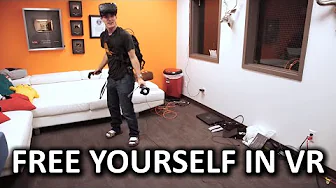
Project Light Tether Pt2 continues the experimental build to remove bulky VR headsets from heavy tether cables, presenting a proof of concept that routes HDMI over DP through a Thunderbolt chain into a display output and back into a VR headset. The video opens with a plan to assemble the tether and recounts troubleshooting steps, explaining why HDMI over DisplayPort is not native HDMI and detailing how the signal is re-routed via a Thunderbolt dock to make the Vive work. The creator describes several hardware hacks, including trimming and re-routing cables, fabricating a 12V power solution from a USB-C style connector, and mounting the breakout box on a backpack; this all serves to reduce the weight and bulk of the original tether. The narrative then shifts to hands-on assembly, fitting the rig to the headset, and iterating on the power supply, USB extensions, and wiring paths to achieve a functional tether. By the end of the segment, the proof of concept is demonstrated with a successful connection and a working VR display, prompting reflections on cost, practicality, and potential market interest, while acknowledging several engineering and usability questions still to resolve. The finale closes with a candid assessment of the feasibility, acknowledging that while fun and impressive, the concept remains a proof of concept with considerations around battery life, cost, and real-world adoption, leaving viewers with a sense of accomplishment and curiosity about future refinements.
Topics · technology · hardware · virtual reality · maker culture · hardware-hacking · experimental-tech · product-design
Questions answered
- What is the core problem Project Light Tether Pt2 solves for VR headsets?
- It aims to replace bulky tether cables with a lighter, more integrated power and data path by routing HDMI over DisplayPort through a Thunderbolt core, enabling a more comfortable VR experience.
- What is the key technical workaround used to make HDMI over DP work with the Vive in this build?
- The setup feeds the DP signal through a Thunderbolt cable to a dock and then back into a DisplayPort input to achieve the translation needed for the Vive.
- Why is there skepticism about real-world viability?
- Questions remain about battery life, overall cost, and the practicality of widespread adoption given the added components and complexity.