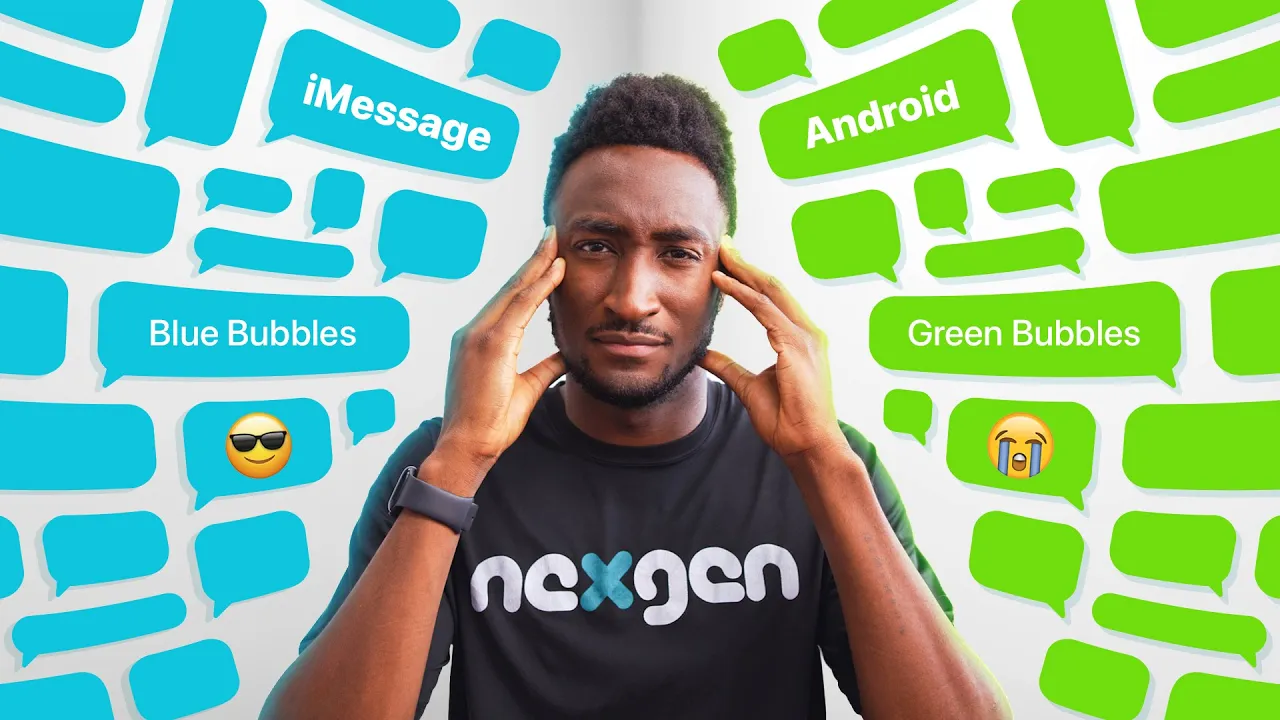
Blue Bubbles vs Green Bubbles: Explained!
0 up · 0 down · 0 ratings
Promos
Why people can't stop using the iPhone. And what should be done about it. Links/sources: The Ecosystem: Explained youtu.be Horror stories with blue vs green bubbles: wsj.com Explaining Google's involvement with RCS: androidpolice.com Most popular messaging apps: statista.com Apple's emails about iMessage lock-in: theverge.com Apple violating their own guidelines with green bubbles: @_sdc MKBHD Merch: shop.mkbhd.com Tech I'm using right now: amazon.com Playlist of MKBHD Intro music: goo.gl ~ twitter.com @MKBHD @MKBHD
Blue Bubbles vs Green Bubbles: Explained! delves into the long running dynamics between iMessage blue bubbles and SMS/MMS green bubbles, mapping how messaging evolved from early SMS in the 1990s to modern internet-based messaging. The video frames the issue as both a technological and social phenomenon, noting that in the US the iPhone's native Messages app and iMessage features create a distinct user experience that differentiates iPhone users from Android users. It explains how iMessage can convert an SMS into an iMessage when both participants are on Apple devices, bringing benefits like read receipts, reactions, and end to end encryption, while when one party uses Android the conversation falls back to less capable SMS and sometimes MMS for video, resulting in degraded quality. The presenter emphasizes that most users simply rely on the default messaging app on their device, which locks users into a particular ecosystem through seamless cross device syncing and family-like network effects. The analysis covers how this lock‑in affects social dynamics, including group chats, compatibility barriers, and even perceived social pressure to switch to iPhone in certain demographics. The video closes by weighing the options for a universal cross platform messaging solution, evaluating the potential of multi platform apps like WhatsApp or Telegram against the concept of a universally adopted standard such as RCS, and arguing that iMessage adoption of RCS would be the most practical compromise with minimal downside. Throughout, the discussion remains grounded in documented features and industry standards, avoiding unsubstantiated claims while clearly outlining the tradeoffs of each approach.
Topics · technology · social trends · privacy and security · mobile ecosystems
Questions answered
- What is iMessage and how did it change texting on iPhones?
- iMessage is an internet based instant messaging service built into the iPhone Messages app launched in 2011. It offers features like read receipts, typing indicators, larger file sizes, inline replies, location sharing, and end to end encryption, and it syncs across Apple devices. When messaging another iPhone, messages become blue iMessages with these features; when messaging an Android user, messages fall back to SMS/MMS with limited capabilities.
- Why do blue bubbles matter in the iPhone versus Android debate?
- Blue bubbles indicate iMessage, which provides richer features and encryption when texting between Apple devices. Green bubbles occur when messages are sent via SMS/MMS to non iPhone users, resulting in older, limited capabilities and lower quality like no read receipts or high compression for media. This creates social and practical pressure related to device ecosystems and cross platform communication.