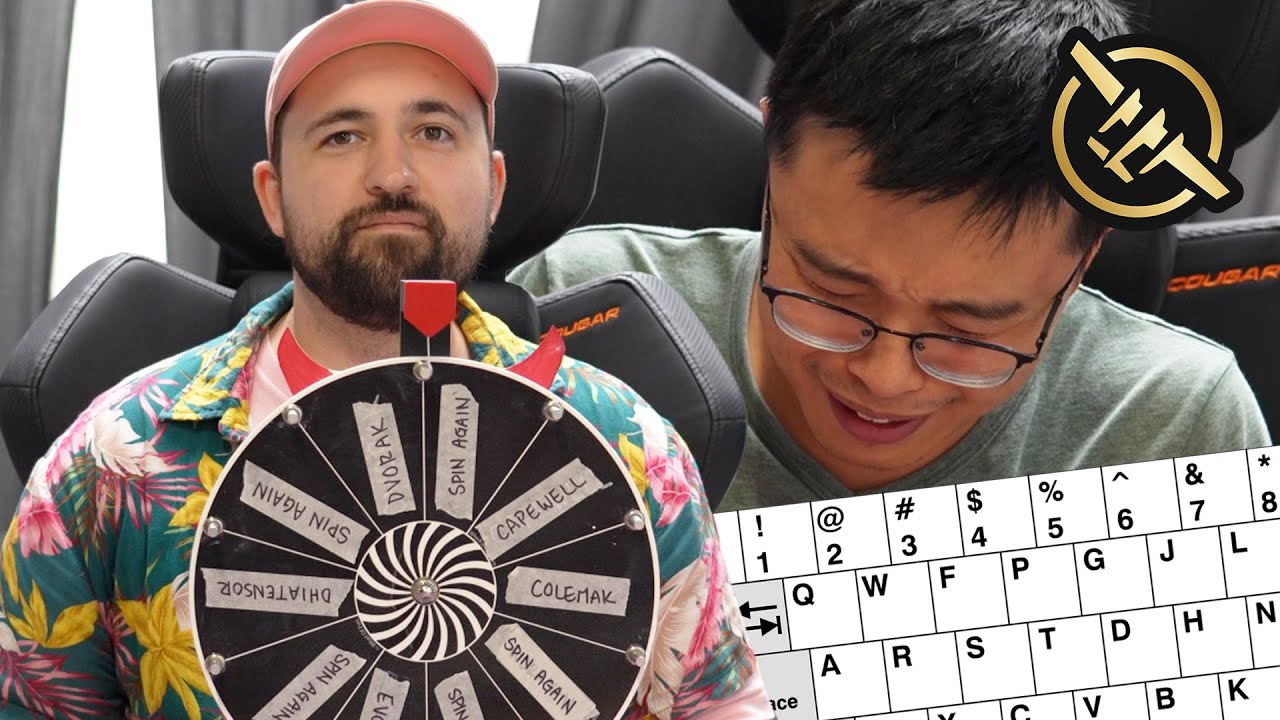
FP Exclusive - Typing Test... but on Alternate Keyboard Layouts
0 up · 0 down · 0 ratings
Description
Thank you for your support!
Promos
Check out Floatplane for more benefits at lmg.gg ► GET MERCH: lttstore.com ► LTX: lmg.gg ► SPONSORS, AFFILIATES, AND PARTNERS: lmg.gg ► OUR WAN PODCAST GEAR: lmg.gg FOLLOW US --------------------------------------------------- Twitter: twitter.com Facebook: @LinusTech Instagram: @linustech TikTok: @linustech Twitch: twitch.tv
The video titled FP Exclusive - Typing Test... but on Alternate Keyboard Layouts explores how different keyboard layouts influence typing performance. It walks through a structured testing approach where the same text is typed across multiple alternate layouts to observe differences in speed and accuracy. Viewers are guided through the setup, including the choice of layouts, the baseline expectations, and the metrics used to compare results. The host explains potential tradeoffs between familiarity and efficiency, highlighting how muscle memory and cognitive load affect typing in unfamiliar layouts. Throughout the segment, there are practical demonstrations of typing tasks, with commentary on what factors help or hinder performance, such as finger movement, row access, and key location consistency. The conclusion synthesizes the findings, offering guidance on when an alternate layout might be worth adopting and what to expect when transitioning between layouts. The second half of the video delves into more nuanced observations from the tests, including fatigue, accuracy trends over longer sessions, and the impact of layout changes on error patterns. The host compares layouts side by side, discussing ergonomic considerations and the potential cognitive relief of reduced finger travel. The pacing includes quick tips for practice routines and suggestions for users curious about custom or hybrid layouts. The segment also addresses common myths about typing speed across layouts, clarifying which gains are realistic and which are situational. By the end, viewers receive a clearer framework for evaluating their own typing setups, plus practical advice on implementing a transition to an alternate keyboard layout if desired.
Topics · science · technology · education · user-experience