Fixing the Energy Price Crisis
0 up · 0 down · 0 ratings
Channels and socials
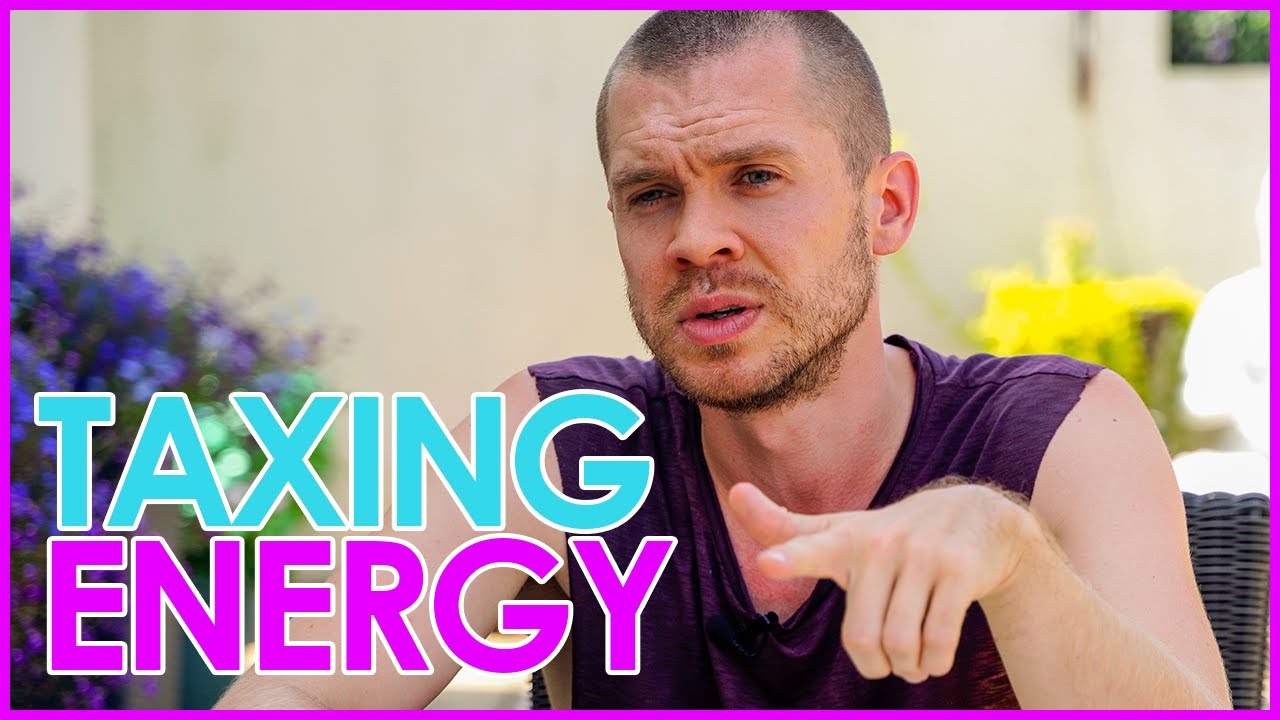
Gary takes a moment out (during the July 19th Heatwave) to explain the current governments approach to "fixing" the energy price crisis. He points out how this approach helps the rich and hinders the poor & gives an alternate plan that would help to also fix wealth inequality SUBSCRIBE, SHARE & START A CONVERSATION SOCIAL MEDIA: WEBSITE - wealtheconomics.org TWITTER - @garyseconomics - twitter.com FACEBOOK - @garyseconomics - @garyseconomics INSTAGRAM - @garyseconomics - @garyseconomics TIKTOK - @garyseconomics - @garyseconomics YOUTUBE - @garyseconomics - youtube.com Performed by Gary Stevenson GARYSECONOMICS Produced by Simran Mohan MOHAN MEDIA
The video begins by framing the energy price crisis within the context of an unusually hot day, using this moment to explore why energy prices have surged and how policies might fix the situation. The host emphasizes that energy consumption is not uniform across households, noting that wealthier people generally use more energy due to larger homes, travel habits, and private transportation. He challenges the mainstream narrative that inflation is driven solely by external shocks like the war in Ukraine, arguing instead that both supply constraints and the redistribution of wealth during COVID played major roles. The analysis moves to the core question of what constitutes an effective policy, highlighting how past approaches have tended to favor the rich while leaving poorer households more exposed to energy shortages. He argues for a distributional lens on policy design, insisting that proposals should reduce energy use across the board but especially curb excess consumption by the wealthy, while transferring real resources to ordinary families in need. The discussion then critiques the commonly proposed solution of simply lowering energy prices, explaining that this can disproportionately benefit the wealthy and encourage higher energy usage, thereby worsening long-term energy scarcity. A deeper comparison is offered between price reductions and universal basic income (UBI), using UBI as a tool to judge policies by their distributive effects rather than their surface-level appeal. The host argues that a tax on energy consumption, with revenue redistributed to the poor, would better align incentives, reduce wasteful energy use, and transfer wealth away from high-energy users toward ordinary families. He concludes with practical guidance for evaluating policy proposals: ask who benefits most in cash, who saves the most, and whether a policy truly improves living standards for ordinary households rather than disproportionately aiding the rich. Throughout, the emphasis remains on critical media literacy and a call for policies that support wealth redistribution through energy taxation rather than through blunt energy price cuts. The closing remarks invite viewers to consider how media narratives may obscure real distributional impacts and to adopt a simple heuristic for policy assessment that centers on who gains and who loses financially from proposed reforms.
Topics · economy · energy policy · public policy · wealth inequality · media literacy