0 up · 0 down · 0 ratings
Channels and socials
My thoughts on getting rid of dislike counts. The blog post: blog.youtube That shirt! shop.mkbhd.com Tech I'm using right now: amazon.com Intro Track: On and On by Hocus Pocus Playlist of MKBHD Intro music: goo.gl ~ twitter.com @MKBHD @MKBHD
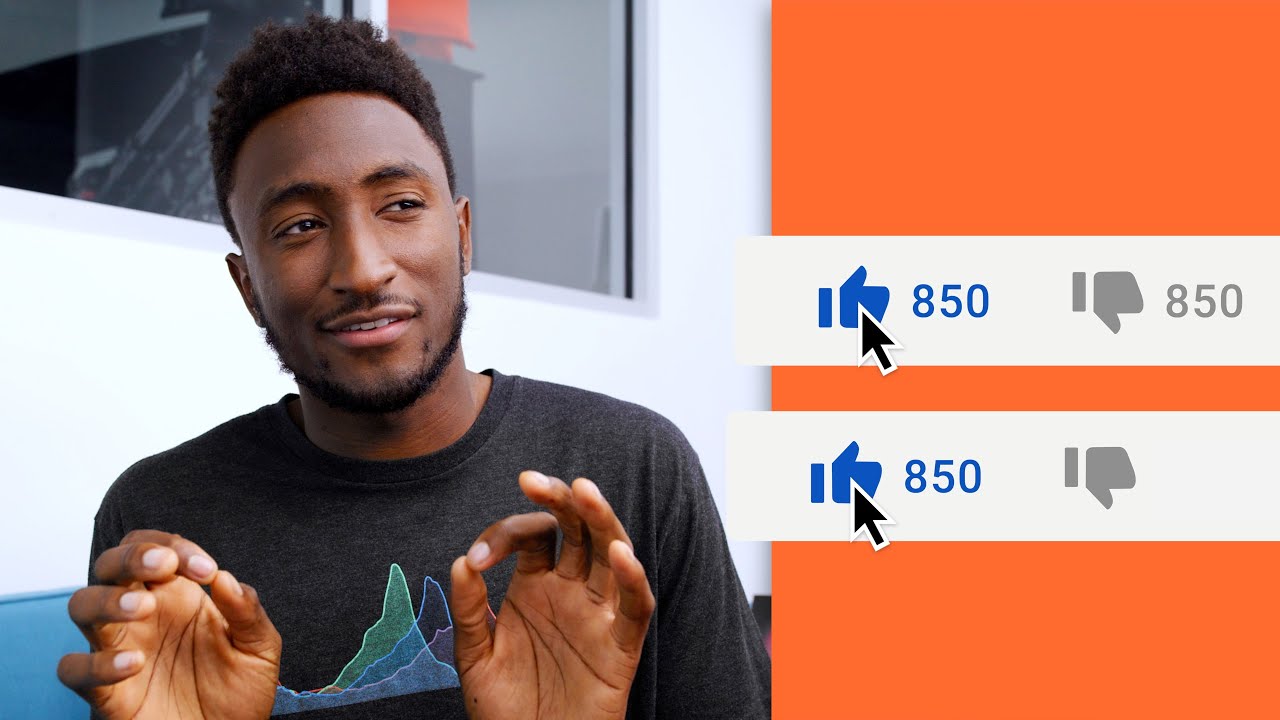
Dear YouTube is a thoughtful critique that examines the implications of removing public dislike counts from videos. The video begins by framing the topic within a broader philosophy of caring deeply about a platform you love, noting that YouTube listened to creators after a previous critique and acted on feedback. It then outlines YouTube’s rationale for hiding dislikes, including potential impacts on creator wellbeing and the risk of targeted dislike campaigns. The presenter compares YouTube to other platforms that already limit visible engagement metrics and emphasizes that YouTube functions as both a video platform and a large search engine, where engagement signals help users decide what to watch. A central argument is that the like to dislike ratio serves as a quick, glanceable indicator of a video’s potential usefulness or entertainment value, guiding viewers to proceed with caution or move on. The discussion expands to practical consequences, describing how hiding dislikes removes an important usability cue for troubleshooting, learning, and finding credible tutorials, particularly in how-to and technical content is evaluated. The speaker acknowledges mental health concerns for creators but argues for a more nuanced solution than blanket removal, suggesting improvements to controls or targeted mitigations rather than erasing a built-in feedback signal. He concedes that the dislike metric is imperfect and can be manipulated, but maintains that its presence helps users form quick judgments about content quality and relevance. The video closes with a call for ongoing dialogue in the comments and a reminder that viewers can still express agreement or disagreement through likes and dislikes, while inviting YouTube to consider more refined tools that protect creators without stripping essential feedback from the community.
Topics · technology · platforms · digital-media · online-community · internet-ecosystem
Questions answered
- Why does YouTube want to remove public dislike counts?
- YouTube states that public dislike counts can affect creator wellbeing and enable targeted dislike campaigns, so they are hiding the dislike count while still keeping the data accessible to creators in the backend.
- What are potential alternatives to removing dislikes entirely?
- Possible alternatives include implementing nuanced controls such as limiting ratings based on watch progress, introducing stronger moderation tools for comments, or offering per-video rating options to mitigate targeted abuse while preserving quick feedback signals.