Who Cares About the Metaverse?
0 up · 0 down · 0 ratings
Promos
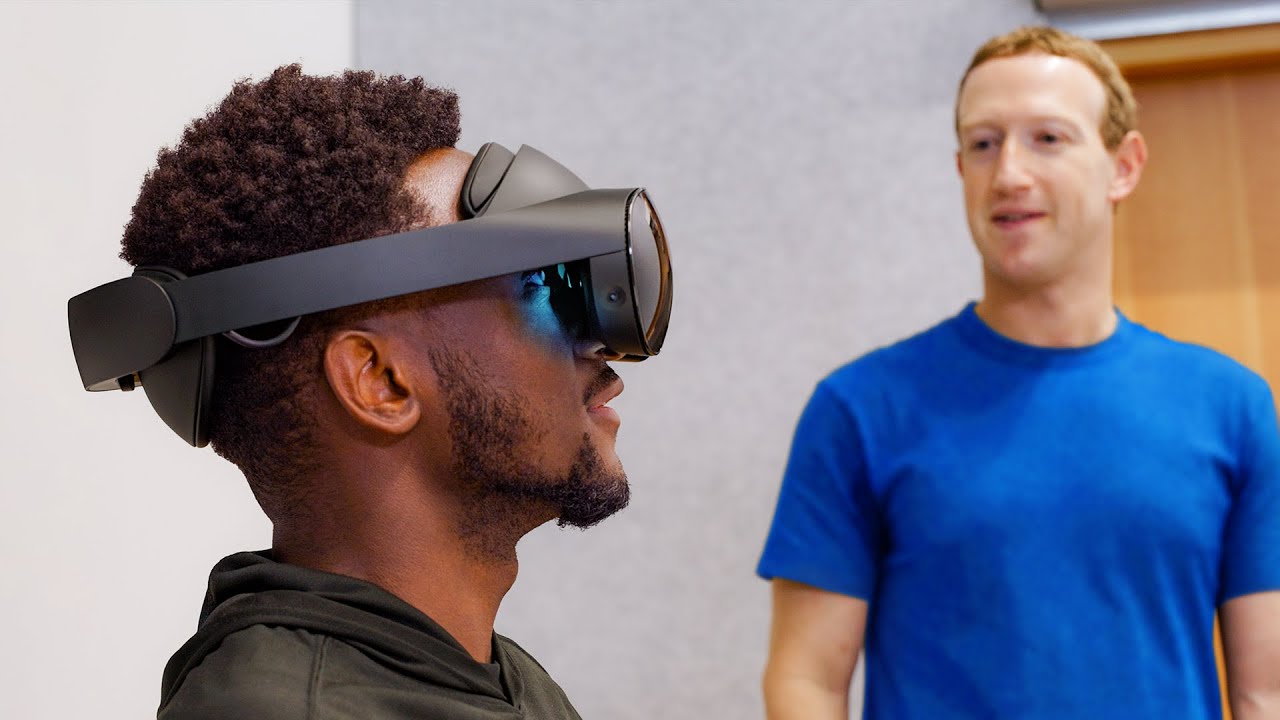
My actual thoughts on the "metaverse" and VR and AR right now. MKBHD Merch: shop.mkbhd.com Get the Meta Quest Pro at geni.us Daft Punk anthology: soundcloud.com Tech I'm using right now: amazon.com Playlist of MKBHD Intro music: goo.gl 0:00 The Intro 2:15 Who Cares about the Metaverse? 4:44 The Technology 7:59 Is It Actually the Future? 13:33 The Problem ~ twitter.com @MKBHD @MKBHD
The video opens with a skeptical yet curious framing of the metaverse, clarifying essential terms like virtual reality and augmented reality before diving into why a single company,Meta,has been funneling enormous resources into this vision. The host emphasizes that the current internet is shaped by two dominant forces, ads and devices, arguing that whoever controls these levers will steer future online experiences. He points out Meta’s strategic transformation from Facebook to Meta, arguing that their long-term aim is to own the foundational platform for the next internet and thus reclaim power and profits as the metaverse expands. The analysis then turns to the hardware and software aspects of the Meta Quest Pro, highlighting design choices, on-ear balance, battery life, and the under-the-hood specs such as the Snapdragon XR2+ processor and high-resolution per-eye displays. The host also covers the growth path for VR and AR applications, noting how meeting rooms, remote work, and large-scale collaboration could become native VR experiences, with eye and facial tracking enabling more natural interactions. The discussion remains pragmatic about the challenges, from device form factors and battery life to the real potential of mass adoption, while keeping a critical eye on data privacy and corporate control that could shape how these technologies evolve. The talk culminates in a hot take: some VR applications are already approaching or exceeding real-life equivalents in utility and appeal, which could drive broader adoption if Meta sustains investment and incentives for developers, even as fears about centralized control persist. The concluding section reiterates the core tension between innovation and surveillance, stressing that true progress comes from healthy competition and accountability, not from a single corporation monopolizing the next internet backbone.
Topics · technology · science_and_technology · virtual_reality · privacy_and_data_protection · business_and_economics
Questions answered
- What are the key technologies behind the metaverse as discussed in the video?
- The video explains that VR (virtual reality) creates immersion in a digital world, while AR (augmented reality) overlays digital elements onto the real world. It also highlights advanced hardware like the Meta Quest Pro, including high-resolution per-eye displays, eye and facial tracking, and improved controllers, along with software ecosystems for meetings, collaboration, and virtual offices.
- Why does the host think Meta wants to control the metaverse, and what are the concerns?
- The host argues Meta aims to own the foundational platform of the next internet by combining hardware, software, ads, and the ecosystem of apps and services. Concerns include data collection, surveillance via eye and facial tracking, centralization of power, and potential anti-competitive effects if one company dominates the metaverse infrastructure.
- What are some practical uses of VR in work and meetings mentioned in the video?
- Practical uses include immersive virtual meetings with avatars, breakout rooms, and real-time collaboration in a VR space, plus virtual offices and the ability to project desktop environments (like Mac screens) onto large virtual displays for multi-monitor setups.