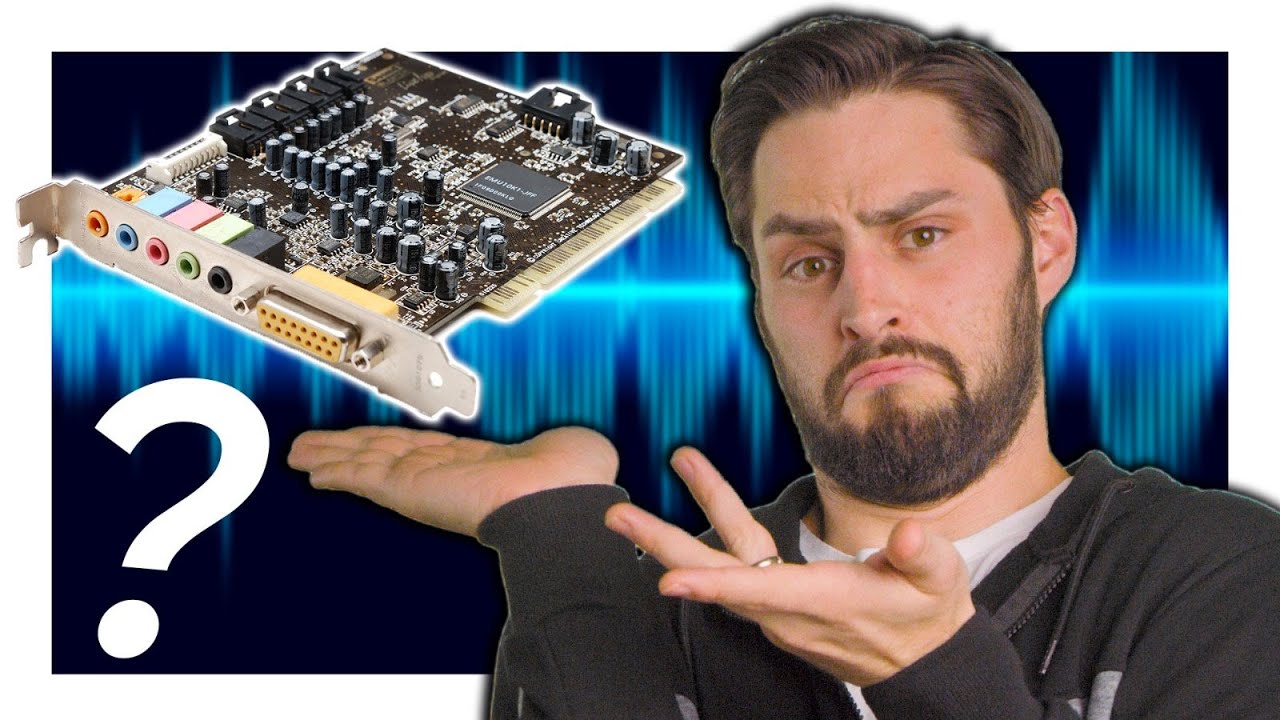
Where Did SOUND CARDS Go?
0 up · 0 down · 0 ratings
Promos
Thanks to monday.com for sponsoring this video! Sign up for an extended 30-day free trial at lmg.gg Why are sound cards no longer a must-have item? Buy Sound Cards On Amazon (PAID LINK): geni.us On Newegg (PAID LINK): geni.us Techquickie Merch Store: lttstore.com Follow: twitter.com Leave a reply with your requests for future episodes, or tweet them here: twitter.com
The video traces the historical arc of computer audio from the era of the PC speaker, which could only emit basic beeps, to the rise of dedicated sound cards intended to offload audio processing from the CPU. It explains how early PCs relied on a small beeper and how programmers found clever hacks to generate more complex sounds, but hardware constraints kept audio quality limited. The narrative then covers the adoption of dedicated sound cards as a performance and quality upgrade, drawing a parallel to discreet graphics cards for video processing. As computing power increased, software-based audio standards and universal architectures emerged, reducing the necessity for specialized hardware. The presenter highlights Microsoft’s Universal Audio Architecture as a turning point that enabled high-quality sound through onboard solutions, like Realtek HD audio chips, which could handle most needs without a dedicated card. Today, onboard audio has surged in quality to the point where only enthusiasts with niche needs or extreme impedance headphone setups typically seek additional hardware or external amplification. The video also notes that while dedicated sound cards still exist, they are frequently considered optional except for specific professional workflows, and some users even opt for external gear to isolate audio from electrical noise inside a PC. In short, the modern landscape favors integrated audio for the majority of users, with sound cards remaining a specialty solution for those with particular requirements, while RGB-backed variants keep the hardware market feeling both visually flashy and functionally flexible.
Topics · technology · audio · computing · hardware
Questions answered
- What caused the decline of the necessity for dedicated sound cards in PCs?
- The decline happened as CPUs became powerful enough to handle audio processing with software-based standards like Microsoft Universal Audio Architecture, and onboard audio chips from Realtek improved in quality and design, reducing the need for dedicated hardware.
- Are dedicated sound cards completely obsolete for all users?
- No. They remain useful for enthusiasts and professionals who need extra processing power, lower latency for live music work, or specific external outputs, but for most users onboard audio suffices.