OCZ Vertex 2 160GB Feat. 25nm NAND Flash SSD Unboxing & First Look Linus Tech Tips
0 up · 0 down · 0 ratings
Description
ncix.com New manufacturing techniques are constantly allowing us to push the limits of speed and capacity in the computer industry. Now OCZ has the latest 25nm flash in their new SSD drives!
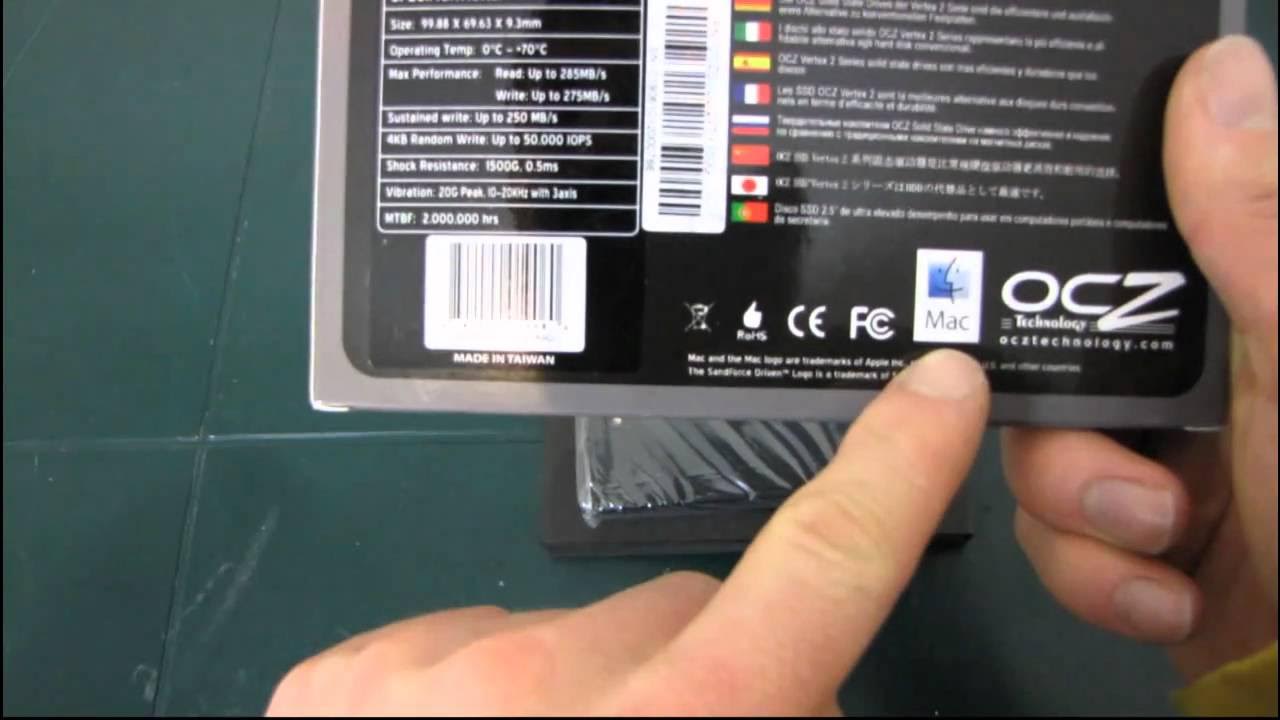
The video introduces OCZ Vertex 2 160GB SSD featuring 25nm NAND flash and the SandForce controller, highlighting how higher density 25nm flash necessitates firmware and ECC improvements to maintain reliability. Linus explains the performance targets of the drive, with reads up to 285 MB/s and writes up to 275 MB/s, while noting that the upgrade from older Vertex 2 models is primarily in flash density and firmware tuning rather than raw speed improvements. He walks through packaging and included accessories, including the 2.5 inch to 3.5 inch adapter and mounting screws, and confirms Windows and Mac compatibility along with warranty details (three years). The unboxing also covers physical characteristics such as the standard SATA 2 interface, power and data connectors, and mounting holes, and emphasizes the drive is designed to be faster than traditional hard drives while being suitable for laptops and desktops. Linus concludes with expectations for increased capacities and price reductions as higher-density flash becomes more common, and invites viewers to subscribe for more unboxings and tech content. Overall the video blends technical explanations, practical packaging insights, and prospective market implications for SSD adoption in the near term.
Topics · technology · hardware · storage · unboxing · tutorial · commentary
Questions answered
- What are the key differences between the Vertex 2 160GB and previous Vertex 2 models?
- The Vertex 2 160GB uses 25nm flash with higher density, which requires firmware tweaks and added ECC for reliability. It shares the SandForce controller and similar performance targets, but capacities differ from older models (80 GB and 160 GB versus 60/120/240 GB in earlier releases).