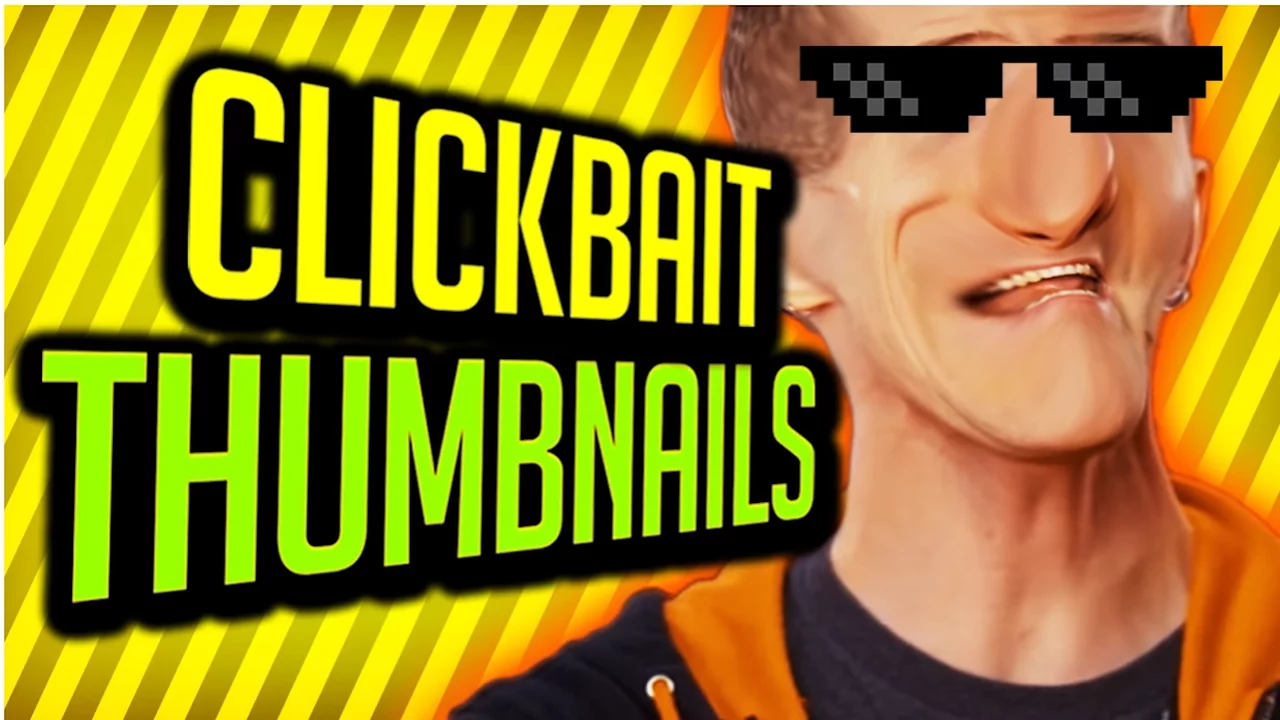
$h!tty Thumbnails on Linus Tech Tips - Honest Answers Ep. 5
0 up · 0 down · 0 ratings
Promos
This video is sponsored by Fiverr. The first 300 viewers who use code LINUS will get 20% off! bit.ly Alright... it's time we addressed the thumbnails issue. No punches pulled in this episode of Honest Answers! Try Tunnelbear for free at tunnelbear.com and save 10% Buy "I love my job" mug on Amazon: geni.us Discuss on the forum: linustechtips.com Our Affiliates, Referral Programs, and Sponsors: linustechtips.com Linus Tech Tips Merchandise: designbyhumans.com Linus Tech Tips Posters: crowdmade.com twitter.com @LinusTech Intro Screen Music Credit: Title: Laszlo - Supernova Video Link: youtube.com iTunes Download Link: itunes.apple.com Artist Link: soundcloud.com Outro Screen Music Credit: Approaching Nirvana - Sugar High youtube.com Sound effects provided by freesfx.co.uk
The video opens with Linus acknowledging a wave of complaints about the recent changes to title and thumbnail styles. He frames the discussion as an honest, no-nonsense talk about what went wrong, how it affected viewers, and what the team learned from the experience. He admits that the original Ryzen 3 and Ryzen 5 performance preview thumbnails and titles were misleading in a way that misrepresented the content, and he directly addresses the backlash from the audience. The discussion then pivots to YouTube’s handling of like to dislike ratios, revealing that the platform’s signals can bury certain videos shortly after publication. Linus uses this moment to explain the broader impact on viewership, engagement, and channel health, emphasizing that the change was not just cosmetic but had real consequences for how the audience discovers and evaluates content. He proceeds to lay out the reasoning behind continuing to use edgier thumbnails, while promising more transparency and better communication with viewers about why decisions are made, and what the team plans to adjust going forward. In the middle section, Linus defends the balance between experimentation and responsibility. He discusses the trade-offs of thumbnail design as a tool for discovery versus a potential misrepresentation, and argues that growth and informational density in videos has improved overall quality since the changes. He compares nostalgia for older formats to current expectations, noting that the tech landscape and YouTube its own algorithms have evolved, and that the team must adapt. He also addresses criticisms that edgy thumbnails attract a younger audience at the expense of core viewers, debunking the notion that such tactics automatically alienate long-time fans. The episode then transitions to a practical, business-minded argument: producing thumbnails and investing in higher-quality visuals is expensive, but if it measurably boosts engagement and search visibility, it makes sense financially. Linus asserts that the goal is not to mislead but to communicate effectively in a shifting discovery environment, and he invites viewers to judge the results by outcomes and ongoing progress rather than a single moment. The closing sections focus on policy, expectations, and collaboration with the audience. Linus makes a case for continuing to refine thumbnail strategy in a revenue-aware, viewer-centric way, reiterating that the team values honesty and wants feedback that is constructive and on-topic. He asks viewers to support the content through likes and meaningful comments, arguing that positive signals help boost search rankings and recommendations. The discussion loops back to the core themes of passion, transparency, and professional stewardship, with Linus reaffirming that Linus Tech Tips remains committed to delivering high-density, informative content while adapting to how people discover videos on YouTube. The overall tone is conciliatory but firm, presenting a roadmap for better alignment between creator decisions and audience expectations while acknowledging past missteps and outlining concrete next steps.
Topics · technology · video production · communication · ethics · online media
Questions answered
- Waarom werd de oorspronkelijke thumbnail en titel aangemerkt als misleidend en wat was de directe reactie van Linus op die situatie?
- De thumbnail en titel suggereerden mogelijk meer concrete benchmarkresultaten dan daadwerkelijk werd getoond, wat misleidend was. Linus erkende de fout, bood een oprechte excuses aan en legde uit dat hij de aanpak wilde verbeteren door transparant te communiceren over de keuzes en de beweegredenen achter de thumbnails.
- Welke rol spelen YouTube's like-to-dislike ratio en zoekalgoritmes volgens Linus in de discussie over thumbnails?
- Linus presenteert dat YouTube dislikers en like-to-dislike-versie van de ratio een invloed hebben op hoe video’s worden beloond of verborgen in aanbevelingen, waardoor thumbnails en titels een grotere impact hebben op vindbaarheid en zichtbaarheid dan voorheen.
- Wat is Linus’ voorstel voor toekomstig thumbnail- en titelgebruik en hoe moeten kijkers daarop reageren?
- Zijn voorstel is om thumbnails en titels te blijven inzetten als hulpmiddelen voor discoverability, maar met meer verantwoordelijkheid en duidelijkere communicatie. Kijkers worden aangemoedigd om via likes en zinvolle opmerkingen te reageren, zodat feedback kwalitatief blijft en de videoselectie beter aansluit bij wat kijkers willen zien.