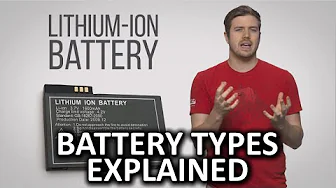
Battery Types As Fast As Possible
0 up · 0 down · 0 ratings
Description
How do batteries work, and what are the differences between the different types of rechargeable batteries? TunnelBear message: TunnelBear is the easy-to-use VPN app for mobile and desktop. Visit tunnelbear.com to try it free and save 10% when you sign up for unlimited TunnelBear data. Follow: twitter.com Join the community: linustechtips.com License for image used in this video: creativecommons.org
Battery technology is introduced by explaining the basic electrochemical principle behind how most batteries store and release energy, highlighting the commonalities across diverse battery types. The video starts with a simple alkaline cell, detailing its components: a zinc anode, a manganese dioxide cathode, and an electrolyte paste that enables ion movement. It explains how electrons travel from the anode through a connected device and return to the cathode, powering electronics while highlighting why alkaline chemistry is convenient and inexpensive, yet difficult to recharge safely. The discussion then moves to rechargeable chemistries, focusing on nickel metal hydride (NiMH) as a prevalent option in AA and AAA sizes, noting its longer run time on a single charge especially for devices like digital cameras, and the importance of using appropriate chargers designed for NiMH to avoid undercharging or damaging the batteries. The narration continues to contrast NiMH with lithium-ion (Li-ion) and lithium polymer (Li-poly) systems used in laptops, smartphones, and tablets, emphasizing higher energy density, lack of memory effect, and the ability to recharge without fully discharging first. The latter portion addresses aging and wear from repeated charge-discharge cycles, acknowledging that no battery is perfect and performance degrades over time. Finally, the video looks ahead to experimental technologies such as ceramic cathodes and glass electrolytes, which promise higher energy density and durability, and mentions industry speculations about ceramic batteries potentially enabling longer intervals between charges in future devices. The segment closes with a lighthearted nod to a sponsor, and a brief plug encouraging viewers to subscribe for more quick overviews of tech topics.
Topics · Science · Technology · Electronics · Energy storage
Questions answered
- What makes alkaline batteries easy to buy and cheap to replace?
- Alkaline batteries use zinc as the anode and manganese dioxide as the cathode with a simple electrolyte, making them inexpensive and readily available, but the chemical reactions are not easily reversible for safe and practical recharge.
- Why are NiMH batteries common in AA or AAA sizes, and what should you consider when charging them?
- NiMH batteries offer good rechargeability and longer run times per charge in common consumer sizes, but they require a quality charger designed for NiMH to avoid undercharging or damaging the cells, especially if old chargers for nickel cadmium are used.
- What are Li-ion and Li-poly batteries, and why are they preferred for modern devices?
- Li-ion batteries have high energy density and long run times and lack a memory effect, making them ideal for laptops, smartphones, and tablets. Li-poly variants use gel electrolytes for flexible form factors suitable for slim devices.