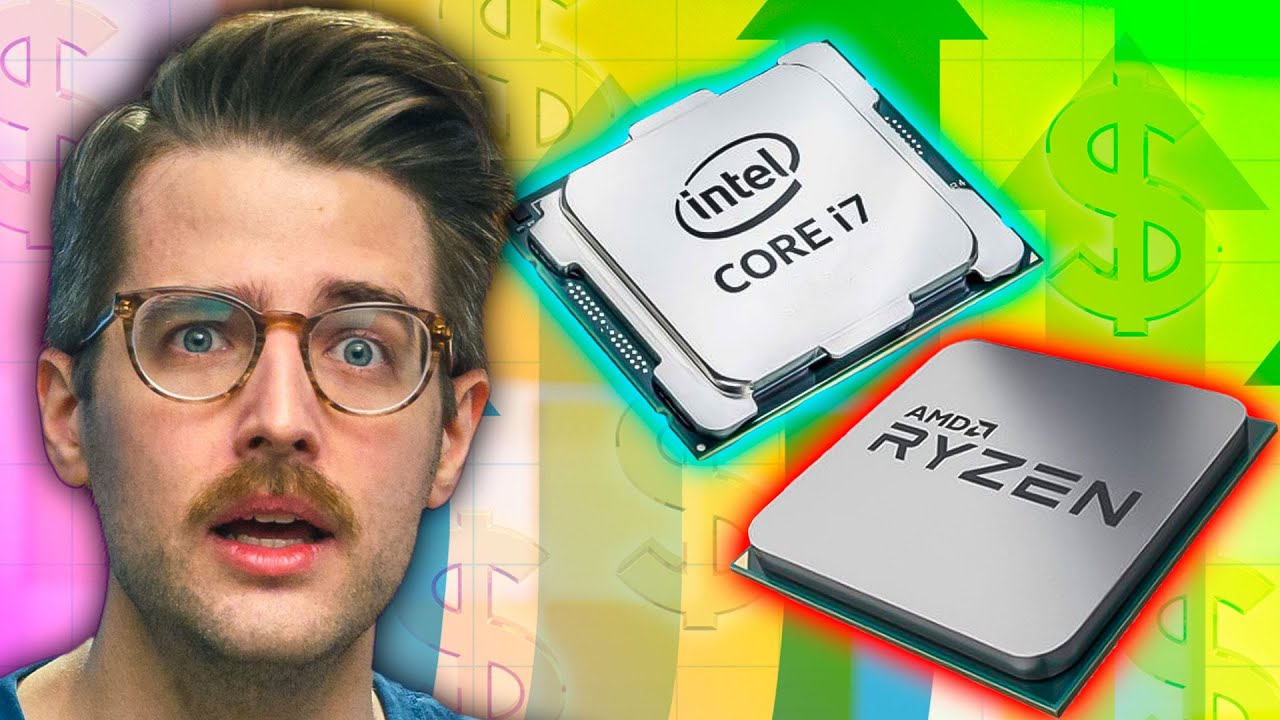
Will the chip shortage ever end?
0 up · 0 down · 0 ratings
Promos
Get up to $150 OFF NIU's KQi3 & KQi2 Kick Scooters Code: NIUESCOOTER for KQi2 $80 OFF Code: NIUSCOOTER for KQi3 $150 OFF US: amzn.to CA: amzn.to Valid - 23/5/2022-30/5/2022 ► LISTEN TO THE TECH NEWS: lmg.gg ►GET MERCH: lttstore.com ►SUPPORT US ON FLOATPLANE: floatplane.com ►LTX EXPO: ltxexpo.com NEWS SOURCES: lmg.gg --------------------------------------------------- Timestamps: 0:00 intro falls apart 0:13 Samsung, TSMC price hike 1:27 Snapdragon 8 Plus Gen 1 2:34 Canada bans Huawei 5G, 4G 3:39 NIU Smart E-Scooters 4:15 QUICK BITS 4:24 Framework with Intel 12th Gen 4:54 Pebble guy wants smol Android phones 5:22 PWN2OWN 6:00 HP Spectre laptops with Intel Arc 6:25 Amazon beams TV into space FOLLOW US ELSEWHERE --------------------------------------------------- Twitter: twitter.com Instagram: @TechLinkedYT Facebook: @TechLinked
Will the chip shortage ever end? examines the ongoing dynamics in the semiconductor market and the far-reaching impacts on technology prices and supply chains. The video outlines how major players like Samsung and TSMC are adjusting pricing in response to rising manufacturing costs, inflation, and global supply constraints. It explains that chip prices have already climbed in recent years, with further increases anticipated as foundries seek to cover higher costs and maintain profitability. The discussion highlights how this price pressure affects consumers, from PC builds to consumer electronics, and how diversification of supply chains and shifts in foundry relationships influence product pricing. The segment also covers related tech news, including Qualcomm's Snapdragon 8 Plus Gen 1, Canada’s Huawei ban on 5G equipment, and Intel Arc GPU laptops, tying these developments to broader market conditions. Throughout, the hosts balance light humor with candid commentary on industry practices, profit margins, and the potential for more competition to alleviate pricing pressure. The conclusion suggests that while there may be short-term relief as supply chains adapt, structural constraints and investment timelines imply the merge of cost pressures could persist for years, impacting pricing and availability for a wide range of devices and components. The video also threads in quick updates on modular repair friendly laptops, small Android phones, and cybersecurity showcases to provide a broader snapshot of tech news alongside the chip shortage discussion. Overall, the takeaway is that the end of the shortage is not imminent, but the landscape may slowly stabilize as supply, demand, and geopolitical factors recalibrate over time.
Topics · technology · economics · consumer electronics · policy and regulation · computing hardware
Questions answered
- What is driving the recent price hikes in semiconductors according to the video?
- The video attributes price hikes to rising manufacturing costs at major foundries like Samsung and TSMC, inflation, and the broader global supply chain crisis, leading these companies to pass costs onto consumers.
- Which devices or sectors are likely to feel the impact of the chip shortage most?
- PC components, CPUs, GPUs, and other consumer electronics are highlighted as the primary areas affected, with pricing pressures felt by gamers and builders, as well as broader electronics markets.
- What potential factors could alleviate the shortage in the future?
- Possible relief could come from increased competition in chip production, diversification of supply sources, and market adaptation as supply chains stabilize and production scales respond to demand.