June 28th, 2013 Live Stream Archive
0 up · 0 down · 0 ratings
Promos
Check out the after party! youtube.com 1:00 intelgamingpromo.com 19:14 Sony and Disney will begin streaming movies still in theatres 22:13 Microsoft bringing games to Apple and Android platforms 26:52 Blackberry shares fall sharply after sharp loss 34:55 Petition to stop the law stopping direct sales of cars 37:54 15 Year old from victoria greats a light powered by the heat of your hands! 56:36 ISP in New Zealand releases "Global Mode" allowing people to access services outside of NZ 58:20 21 Year old receives 25Mill in funding for a "payment" app 1:05:12 Samsung releases "flawless" curved 55-inch OLED TV 1:07:04 AT&T gets a patent to monitor and track file sharing traffic 1:09:21 Razer Surround! 1:13:51 Build Logs of the Week!
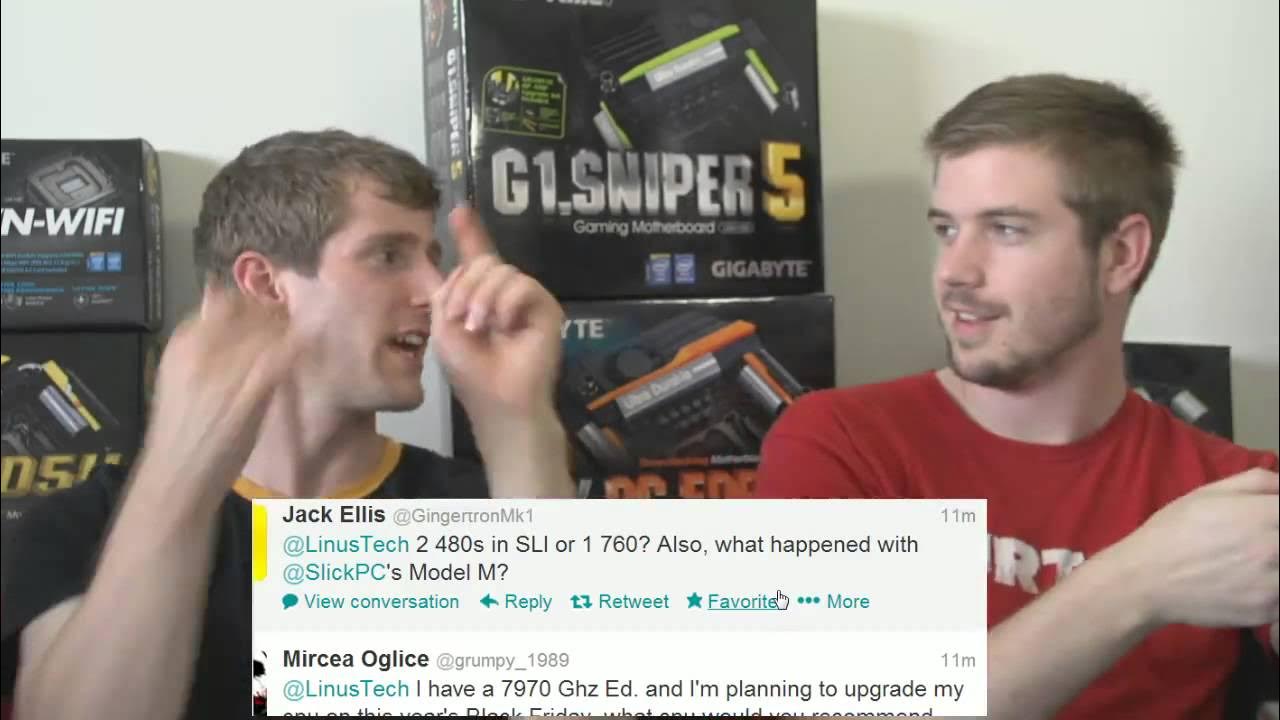
The June 28th 2013 Linus Tech Tips live stream begins with an energetic host exchange and a tease of upcoming features, including the prospect of live callers and a partnership to enable call-in segments next week. The hosts quickly pivot to a Twitter Q&A blitz, inviting audience questions as they discuss a sponsored Intel gaming promo and Haswell CPU promotions. They frame the session as a radio-like broadcast with video, noting the technical hurdles that come with live streaming and crowd-sourced questions. Early on they riff on the idea of turning the streams into a podcast and acknowledge listener interest in podcast formats, promising to explore that option further. The dialogue then shifts to storage and data transfer bottlenecks, with one host arguing that NAND flash and SSDs outpace SATA bandwidth, while discussing why drive manufacturers do not push speed limits due to market incentives. They contrast DVI with HDMI, praising DVI for carrying analog signals and suggesting that DisplayPort will eventually meet 4K60Hz demands, while lamenting HDMI’s limitations beyond size considerations. A consensus emerges that current high-end storage and display interfaces lag behind what the rest of the PC ecosystem can achieve, prompting a debate about whether to prioritize storage speed or display bandwidth in future builds. The hosts pivot to practical build advice, debating power supply choices for dual GTX 780 configurations, the importance of Haswell-based ultrabooks for portability, and the advantages of SSDs in Haswell-era systems. They discuss the virtues of modular power supplies, sleeving kits for aesthetics, and the balance between performance, price, and appearance in high-end builds. The conversation then broadens to discuss a variety of enthusiast-grade topics, including studio-grade speaker setups versus consumer systems, keyboard switch preferences, and monitor resolutions, with the hosts offering anecdotes about their own setups and experiences with Corsair SP-series speakers, mono price keyboards, and 1080p versus 4K display potential. The show segues into a discussion about the Sony and Disney streaming test in theaters, weighing the trade-offs of premium home viewing versus theater-going experiences, and noting the potential impact on traditional theatre revenue for blockbuster titles. They examine Microsoft’s strategy of bringing Xbox and PC games to Apple and Android platforms, parsing licensing considerations and the implications for Windows-centric ecosystems while acknowledging that coreline titles may not migrate en masse. The hosts offer critical takes on how platform choices shape consumer perception, particularly around pricing thresholds and the value proposition of hardware versus service ecosystems. The Guardian Blackberry article is teased as they pivot to mobile hardware, reflecting on the Z10 and Q10, consumer reception, and the broader market pressures facing legacy smartphone makers amid competition from Apple and Samsung. The chat delves into Tesla’s direct-to-consumer sales model and related White House petition dynamics, using it as a springboard to discuss consumer protection, dealer networks, and regulatory environments affecting direct sales. They close the segment with a mix of viewer questions about Windows 8.1 previews, audio setups for SP2500s, and practical recommendations for budgets spanning Ultrabooks, GPUs, and power supplies, offering concrete product suggestions and build paths. Throughout, the hosts maintain a playful, irreverent tone, peppered with live feedback from the chat, and they repeatedly invite more questions, promising future topics and deeper dives into specific hardware and software debates. The stream ends with a return to real-time Q&A, acknowledging the audience’s desire for a podcast format while reaffirming themes of hardware performance, price-to-value balance, and community-driven content creation. They hint at upcoming guest appearances and partner integrations, leaving the door open for further explorations into the evolving tech landscape. In sum, the session blends genuine hardware critique with audience engagement, turning a late-night live stream into a valuable resource for builders and enthusiasts seeking practical guidance and opinions on cutting-edge tech topics. The show stands as a snapshot of a vibrant tech community circa mid-2013, characterized by candor, humor, and a willingness to experiment with new formats and topics. Finally, viewers are reminded that more content and potential podcast availability are on the horizon, reflecting a broader strategy to diversify how audiences consume Linus Tech Tips content.
Topics · technology · computers · live_stream · podcasts
Questions answered
- What is the main topic of the Sony and Disney streaming discussion?
- The hosts discuss Sony and Disney testing a streaming service that rents movies still in theaters in South Korea, evaluating its potential impact on piracy and theatrical windows.
- What do the hosts say about HDMI vs DVI and DisplayPort?
- They argue HDMI has limitations compared to DVI and DisplayPort, praising DVI for its analog capability and suggesting that DisplayPort could meet 4K60Hz needs as technology progresses.
- How do the hosts view Windows 8.1 and Haswell Ultrabooks?
- They express cautious interest, noting that Haswell-based ultrabooks offer improved graphics and power efficiency, while Windows 8.1 preview reception is mixed and not deeply explored in this segment.