Self-Driving Car Levels Explained
0 up · 0 down · 0 ratings
Promos
Share your mouse and keyboard between multiple computers with Synergy 2 at symless.com The Society of Automotive Engineers uses six different levels to describe the extent to which a car is "self-driving" - but what's the point of this system, and what are the differences between the levels? Techquickie Merch Store: designbyhumans.com Techquickie Movie Poster: shop.crowdmade.com Follow: twitter.com Leave a reply with your requests for future episodes, or tweet them here: twitter.com Join the community: linustechtips.com Intro Theme: Showdown by F.O.O.L from Monstercat - Best of 2016 Video Link: youtube.com iTunes Download Link: itunes.apple.com Listen on Spotify: open.spotify.com
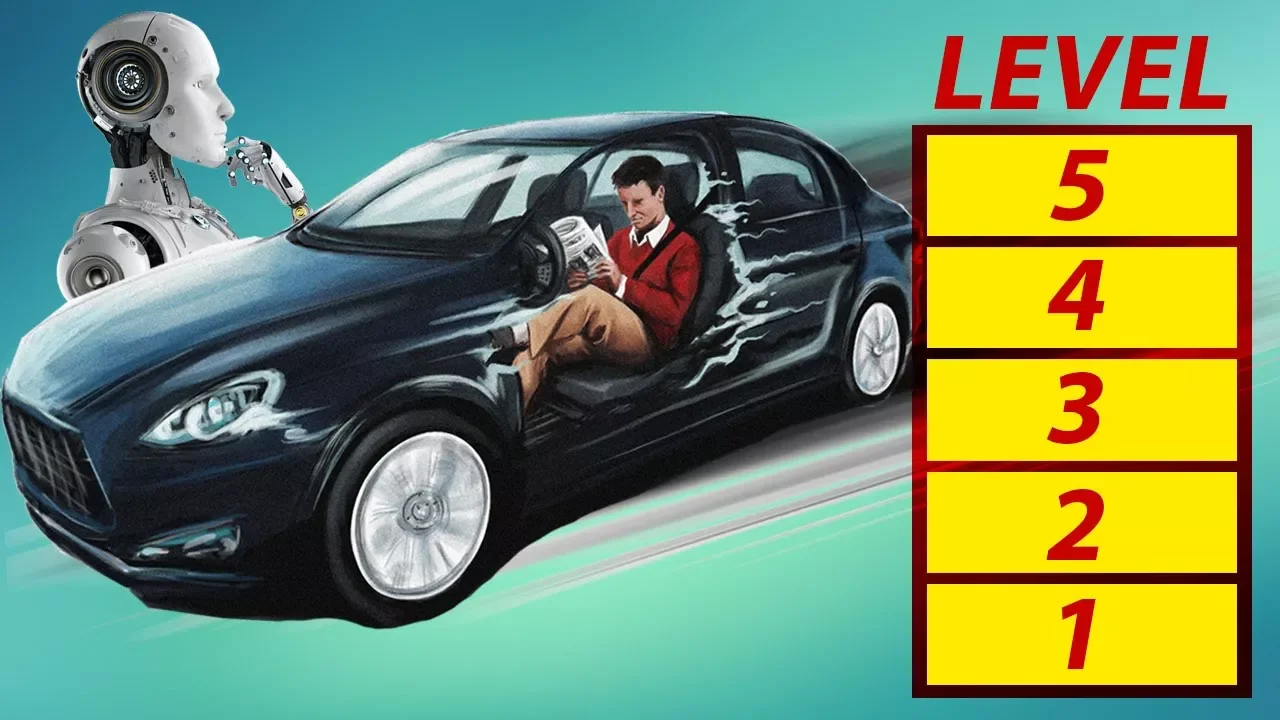
The video explains that the Society of Automotive Engineers (SAE) uses a six or six plus level framework to describe how self driving a car can be, from fully manual driving to fully autonomous operation. It outlines Level 0 through Level 5, with Level 1 and Level 2 covering driver assistance like adaptive cruise control and lane keeping, and Levels 3 through 5 describing progressively higher degrees of autonomy and control that require less driver intervention. The discussion emphasizes how the level definitions help standardize what a car can or cannot do, and why manufacturers and regulators rely on these labels instead of vague marketing claims. Concrete examples are given such as how Level 2 systems can handle steering and acceleration but still require human monitoring, while Level 4 operates autonomously within geofenced areas, and Level 5 envisions full autonomy without a human driver in any environment. The video also touches on real world implications, including how insurance, liability, and safety considerations depend on the level of automation, and it notes that most consumer vehicles today sit around Level 2 or below. Throughout the explanation, emphasis is placed on the practical distinctions between the levels, the technologies that enable them, and the challenges that remain before higher levels can be widely deployed. The overall takeaway is that the SAE framework is a useful shorthand for comparing capabilities, but real world performance can vary based on software, sensors, and regulatory context, making the boundaries between levels sometimes blurrier in practice.
Topics · technology · transportation · automotive · artificial-intelligence
Questions answered
- What does SAE Level 2 autonomous driving include and why does it require human monitoring?
- SAE Level 2 combines steering and acceleration control under automated systems, but a human driver must continuously monitor the environment and be ready to take over.
- What is the difference between SAE Level 4 and Level 5 autonomy?
- Level 4 operates autonomously within defined geofenced areas and may still rely on some supervision, while Level 5 envisions full autonomy in all environments without a human driver.