Dual Boreas Frankenstein Cooler Overclocking Results Phenom II X6 1090T Linus Tech Tips
0 up · 0 down · 0 ratings
Description
Well I finally had some time in between cat trees and other projects to spend on my dual boreas setup. I honestly wasn't able to push my chip much further, but I probably could have gone deeper into the various bios settings to get more out of it... The problem is that I need to make room on my bench for something else that's new and exciting.
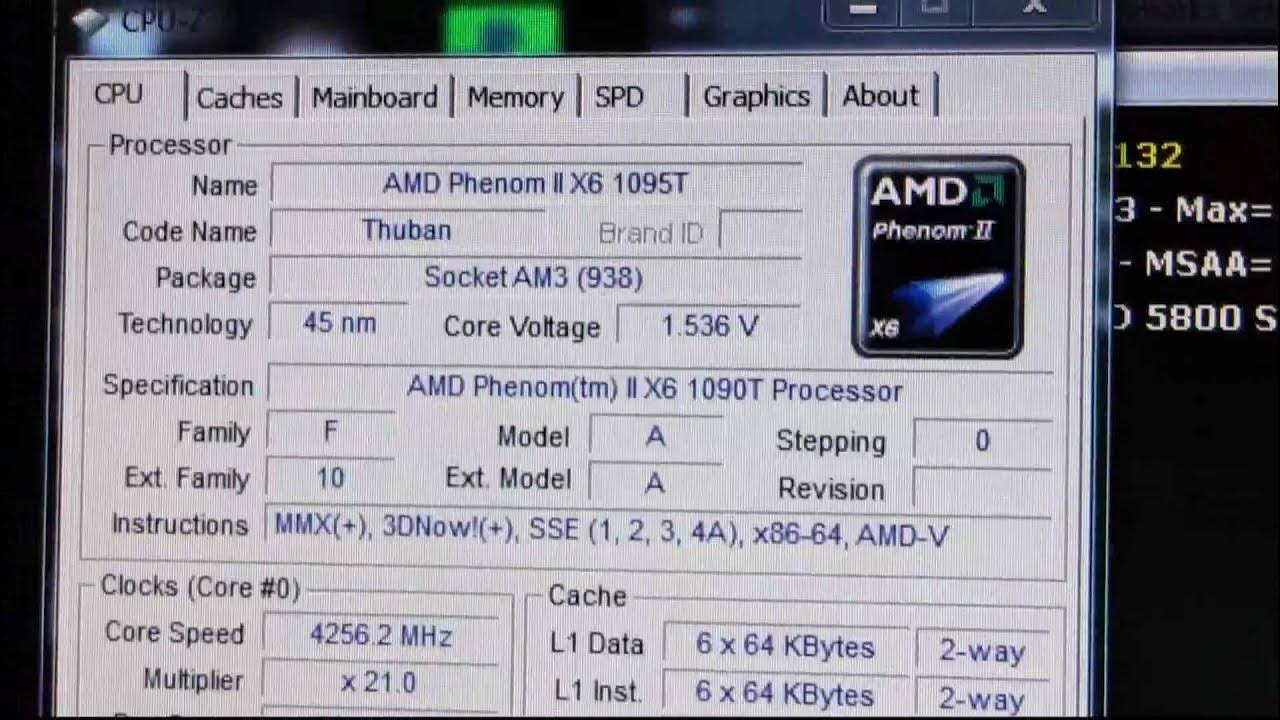
This video follows Linus Tech Tips as they revisit the Frankenstein dual Boreas cooling setup paired with a Phenom II X6 1090T. The host explains that additional hardware has been integrated into the test bench, including another 5870 in Crossfire alongside an Infinity Edition card, with memory amounts not perfectly matched for the sake of testing. The core outcome is that, while there is a modest improvement in overclocking results, the gains are not dramatic. The highest stable overclock achieved is around 4.25 GHz, accomplished mainly by increasing the multiplier and voltage rather than pushing the bus speed, with stability verified by running Prime95 instances. Temperatures are logged at a modest 26°C CPU load in a warm room, which highlights the substantial heat output of the setup. A key point emphasized is power consumption: at the wall, the system draws just over 900 watts under heavy load, including Prime95 and the Fur Benchmark, driven by two high-end GPUs and the six-core CPU. The host analyzes the practical implications of power usage, estimating roughly 400 to 430 watts of load power from the wall when factoring in typical high-end component efficiency, and notes that this level of consumption is still within the bounds of a capable 80+ certified power supply. The video closes with a candid reflection that further tuning in the BIOS might push additional gains, but the bench space is needed for something new, tempering expectations about dramatic breakthroughs. Overall, viewers gain insight into the reality of extreme cooling experiments, the energy costs of high-performance overclocking, and the pragmatic limits of ongoing tinkering with this particular Phenom II setup.
Topics · technology · hardware · overclocking · performance · power-consumption
Questions answered
- What is the highest overclock achievable on the Phenom II X6 1090T in this setup?
- Around 4.25 GHz, achieved by increasing the multiplier and voltage rather than altering the bus speed.
- How much power does the system draw under load?
- Just over 900 watts at the wall when running Prime95 and the Fur Benchmark with dual 5870 graphics cards.