Linus Tech Tips Live Show Archive - February 8, 2013
0 up · 0 down · 0 ratings
Description
1:53 New Linus Tech tips unboxing video style explanations 7:18 Random drunk guy calls 10:33 The crazy russian dancing 13:55 Linus' case is back from Mountain Mods! 18:16 Dust 514! 24:60 Declining prices and declining quality 31:31 Gabe Newell talking about making portal and half life movies 33:00 AMD never settle bundle 35:57 But can it run crysis? 38:30 Teaser screenshot from an upcoming video 47:05 LinusMediaGroup and any possible direction changes! ALL IS OKAY! 1:02:18 AMD delays HD8000 series - Delays can be good! 1:07:10 Nvidia Titan speculations 1:14:35 Kickstarter 1:19:27 Being approached by groups like Rev3 1:24:50 Youtube paid subscriptions 1:36:57 Windows 8 giveaway 1:40:17 The After Party
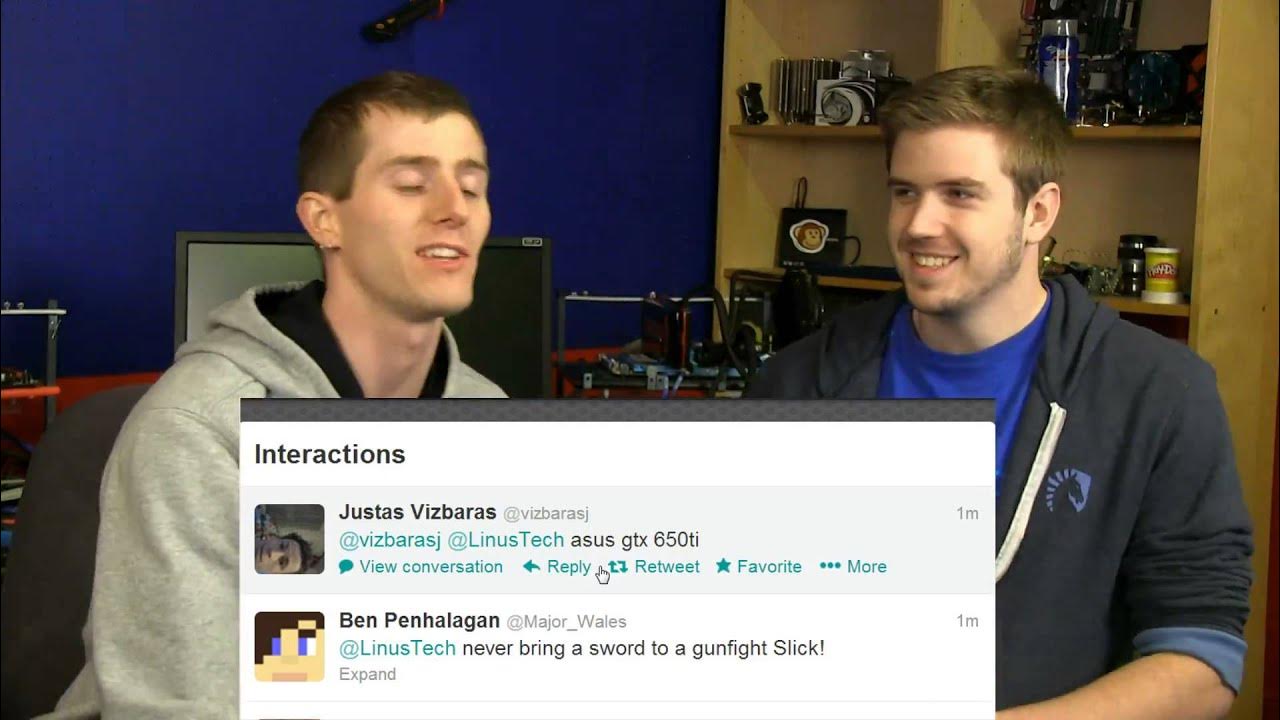
Linus Tech Tips Live Show Archive from February 8, 2013 opens with a casual, slightly chaotic energy typical of the Wan Show format. The hosts acknowledge prior stream hiccups and explain the intent to verify that the broadcast is indeed live, noting the technical challenges with capture hardware and software. They recount trying different streaming and recording setups, including a switcher for camera feeds and XSplit versus live-to-tape approaches, which led to issues such as audio desync and variable frame rates. The discussion then shifts toward practical workflow changes, including adopting a dual-camera setup where both participants record locally and editors stitch the footage in post, enabling more reliable audio and color synchronization and easier scene transitions. Across the early segment, Linus and Diesel reminisce about past unboxings, camera gear, and the evolving pains and perks of home production versus professional outsourcing. They joke about selling older capture cards and the in-house learning curve while teasing future improvements to the show’s production pipeline. The team highlights the value of stable, reproducible workflows over the allure of live-to-tape gimmicks, stressing that post-production flexibility yields higher quality outcomes for the audience. By the end of the initial setup discussion, viewers get a sense of the momentum toward a more controlled, higher-fidelity broadcast, setting expectations for smoother transitions in the rest of the show. The second major section delves into viewer interaction and the social dimension of the live show. A caller appears on screen briefly, delivering a chaotic but memorable moment that underlines the unpredictable nature of live streaming. The hosts pivot to Twitter questions, discussing topics ranging from rapid storage technology quirks to user experiences with Windows and hardware configurations. They address common consumer frustrations with technology setups, such as driver conflicts, jittery playback, and the headaches of syncing two camera feeds when editing offline. The conversation naturally broadens to personal tech stories, including home servers used for transcoding and streaming to mobile devices, highlighting practical, real-world uses of PC hardware beyond gaming. The tone stays playful yet informative, with jokes about drunk callers and light banter about user-submitted stories and channels they follow, creating a sense of a friendly, tech-savvy community. Audience questions spark deeper dives into hardware choices, such as assembling and upgrading a home rig, the rationale for keeping an older TJ07 case, and the trade-offs between cost, performance, and aesthetics in PC modding. The panelists share candid opinions on the diminishing cost of RAM and the implications for consumer purchasing power, tying hardware trends to broader market dynamics. Throughout this segment, the balance between entertainment and instructional content remains central, as Linus and team demonstrate how to extract practical value from a living-room style livestream. A recurring thread in the middle of the show centers on ongoing hardware and game industry news. The hosts discuss upcoming GPU and CPU developments, including speculation around high-end graphics offerings such as Nvidia Titan and the GTX 700 series, and their potential impact on gaming performance, budget options, and the general PC ecosystem. They continue with software and ecosystem chatter, including the potential for new game bundles, and share excitement about titles like Crisis 3 and BioShock Infinite, emphasizing how the release cadence of high-end games motivates hardware upgrades. The conversation also touches on speculative collaborations in entertainment, like Gabe Newell's involvement with movies and the possible collaboration with notable directors, illustrating how tech culture and media cross-pollinate in this community. They touch on the economics of the PC component market, arguing that price competition and margin pressure can drive better value for consumers, while acknowledging that overzealous competition risks eroding innovation. The team connects these market dynamics to personal decisions about upgrading rigs, overclocking, and selecting components that deliver a balance of performance, reliability, and long-term value. The segment blends industry analysis with personal experience, grounding abstract market trends in tangible buyer decisions and project planning for future videos. Near the one-hour mark, the hosts pivot to multimedia projects and the business side of Linus Tech Tips. They reveal that Linus Media Group is exploring new directions, including potential collaborations and video projects for brands like Corsair, with a teaser screenshot shown on the stream. This portion doubles as an inside-look at content production choices, including why certain devices like the FS700 camera are used for high-speed, cinematic footage and how slow-motion capture can elevate a tech product video. They discuss the resource implications of high-end gear, including the cost of cameras, lighting, and production crews, and justify the investment by the desire to create compelling, high-production-value content for a growing audience. The conversation broadens to talk about post-production workflows, including how to manage embargoes and coordinate with sponsors on preview content, while still delivering insightful, authentic tech coverage to viewers. The hosts emphasize that ambitious, high-quality video projects require planning, budgeting, and a willingness to take creative risks, even if it challenges their day-to-day workflow. The show also teases a new hardware venture and the possibility of deeper collaboration with Corsair, signaling a strategic shift toward more integrated, branded content that still preserves the channel’s independent voice. In the final stretch, the Wan Show returns to live interaction and forward-looking tech chatter. They cover hardware predictions for the near future, including discussions around memory pricing, motherboard features, and cooling solutions, with a mix of technical detail and humor. The hosts debate the best approaches to testing cooling loops and performance, highlighting the need for controlled environments and transparent methodology when evaluating components. They take questions about software ecosystems and gaming experiences, touching on topics like free-to-play models, in-game currency, and the psychology of purchasing cosmetic items in online worlds. The conversation also delves into the cultural shifts in PC gaming, including how modern consoles and PC hardware push each other toward better efficiency and aesthetics, while acknowledging ongoing supply and demand dynamics that influence pricing and product availability. The show ends with a sense of momentum and optimism about future videos, including additional live events, new partnerships, and longer-form content that preserves the informal, human chat style that fans love. The After Party segment caps the night with micro-lessons on setup tweaks, camera work, and the occasional playful aside that fans herald as classic Linus humor. Overall, the February 8, 2013 Wan Show presents a snapshot of a growing tech media brand navigating early growth pains, balancing live spontaneity with evolving production discipline, and building toward more ambitious collaborations while staying connected to a base of enthusiastic, often nostalgic, viewers. It blends real-world hardware talk with the charm of live interaction, a willingness to experiment with formats, and a hubris that comes with rapid development and audience feedback. The episode serves as a testament to the collaborative, iterative nature of early Linus Tech Tips content, illustrating how a small team iterated from improvised live streams into more polished, brand-forward productions without losing their quirky, human core. Viewers come away with a sense of historical context for the channel, a deeper appreciation for the technical challenges of early live streaming, and a preview of the ambitious projects that would shape Linus Media Group in the years to come.
Topics · technology · gaming · hardware · live_show · video_production · pc_building
Questions answered
- What is the main production shift discussed in the episode?
- The hosts discuss moving from a live-to-tape approach with multiple cameras to a dual-camera offline recording workflow, followed by post-production stitching to improve audio synchronization and color matching.
- Which upcoming games and hardware are highlighted?
- They talk about Crisis 3, BioShock Infinite, and upcoming GPU launches in the GTX 700 series, as well as the AMD Free to Play bundles and related hardware considerations.
- What is the nature of the Corsair project teased?
- They reveal a related video project for Corsair, featuring a Corsair headset, with a teaser still frame shown and a plan to produce a short, high-production-value video.