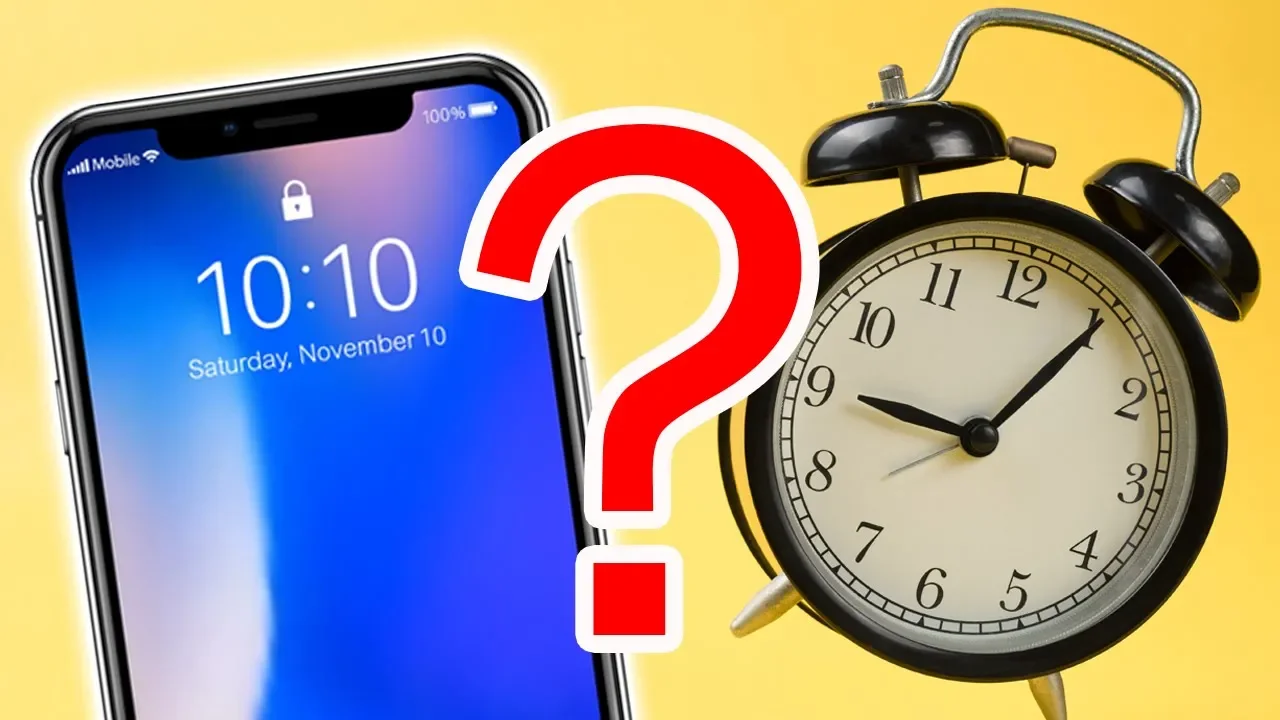
How Do PCs and Phones Set Their Own Clocks?
0 up · 0 down · 0 ratings
Promos
Get iFixit's Pro Tech Toolkit now for only $59.95 USD at ifixit.com How do computers and phones set the time all by themselves? Techquickie Merch Store: designbyhumans.com Techquickie Movie Poster: shop.crowdmade.com Follow: twitter.com Leave a reply with your requests for future episodes, or tweet them here: twitter.com Join the community: linustechtips.com Intro Theme: Showdown by F.O.O.L from Monstercat - Best of 2016 Video Link: youtube.com iTunes Download Link: itunes.apple.com Listen on Spotify: open.spotify.com License for image used: creativecommons.org
Clocks on phones and PCs are kept accurate by tying them to highly stable time sources rather than the user manually adjusting them every time the power flickers. The video explains that smartphones commonly receive a time signal from the cellular network, making automatic timekeeping seamless on both Android and iOS devices, while Windows PCs typically fetch time periodically from internet time servers. It then dives into where these sources originate: atomic clocks, which are so precise they drift only a second over millions of years. The host illustrates how cesium-based clocks use the fixed oscillation of cesium atoms to define the length of a second, enabling national standards like the NIST F1 and F2 clocks to act as the backbone for time distribution. From there, the video shows practical integration: Windows can use network time protocol servers or directly connect to time.nist.gov, cellular networks can rely on GPS satellites, and in offline scenarios there are apps that connect to GPS for atomic-time-like accuracy. The segment also notes that some traditional clocks and radio time signals exist, broadcasting atomic time across the globe, though real-world delays mean consumer devices may be milliseconds off. Overall, the video highlights the layered stack of timekeeping mechanisms, from raw atomic time to user-facing clock settings, and reminds viewers that network latency can cause tiny discrepancies in everyday time displays. Finally, it emphasizes the accessibility of repair resources through iFixit, tying the tech topic back to practical DIY repair and support resources for electronics enthusiasts.
Topics · technology · science · timekeeping · hardware · networks · mobile devices · software · education
Questions answered
- What provides the exact time reference used by phones and PCs?
- Phones often use cellular network time signals, while Windows PCs typically fetch time from internet time servers or time.nist.gov, both ultimately anchored to atomic clocks like those at NIST.
- Why are atomic clocks so important for timekeeping?
- Atomic clocks define the standard second based on a fixed atomic transition, offering extremely low drift, which makes them the reliable backbone for global time distribution.
- Can consumer devices ever match atomic clocks exactly?
- No, due to network latency and other overheads, consumer devices may be milliseconds off, but they stay very close to atomic time for practical purposes.