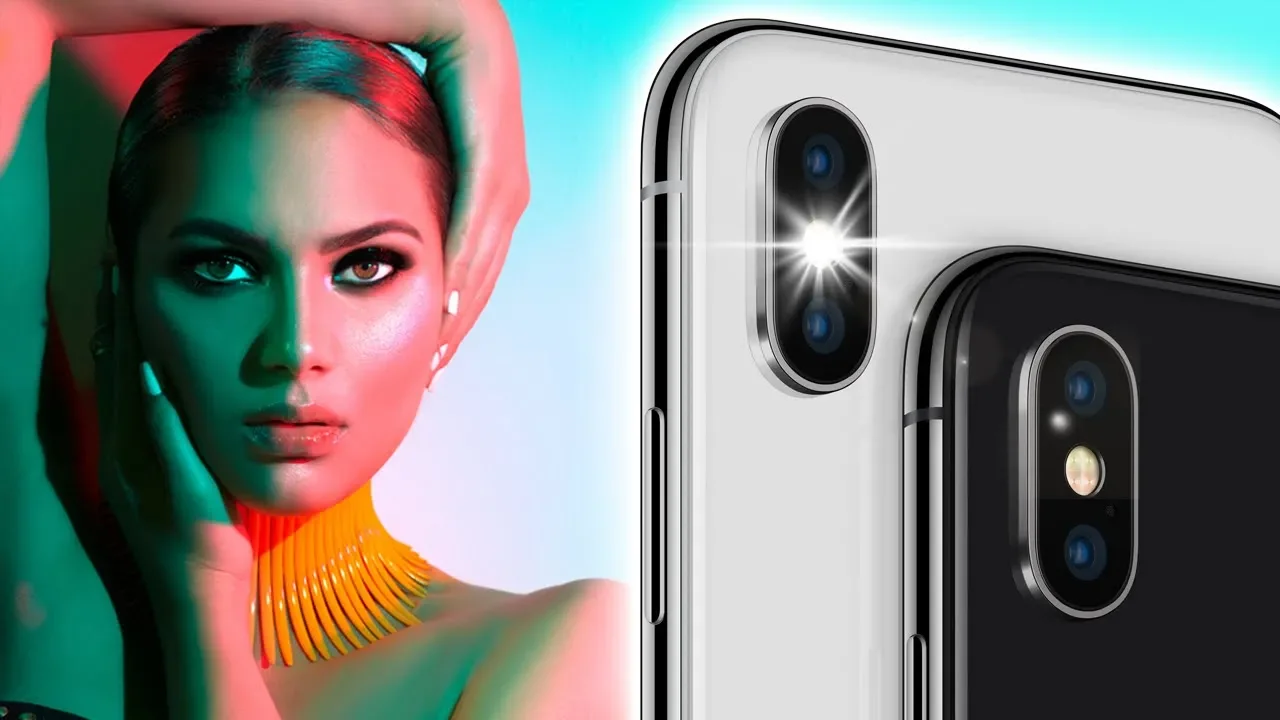
How Have Smartphone Cameras Gotten So Good?
0 up · 0 down · 0 ratings
Promos
Freshbooks message: Head over to freshbooks.com and don’t forget to enter Tech Quickie in the “How Did You Hear About Us” section when signing up for your free trial. Smartphone cameras have improved dramatically over the last few years. How are these tiny cameras suddenly capable of so much? Techquickie Merch Store: designbyhumans.com Techquickie Movie Poster: shop.crowdmade.com Follow: twitter.com Leave a reply with your requests for future episodes, or tweet them here: twitter.com Join the community: linustechtips.com Intro Theme: Showdown by F.O.O.L from Monstercat - Best of 2016 Video Link: youtube.com iTunes Download Link: itunes.apple.com Listen on Spotify: open.spotify.com
Smartphone cameras have become remarkably capable even though the physical size of their sensors hasn’t changed much since their early days. The episode explains that one major improvement is the dramatic increase in receptor sites on the sensor, i.e., more megapixels, which allows more light samples to be gathered and a finer image, though there is a point where more megapixels stop helping and can even hinder quality. The discussion then covers how lens and sensor advances, such as sapphire glass lenses and precisely engineered optical elements, reduce distortion and improve clarity. It also highlights the importance of features beyond optics, including optical image stabilization with gyroscopes and electromagnets, and faster processors that enable real time stabilization and more sophisticated image processing. A key theme is how modern phones use advanced software, including neural or AI processors, to optimize color processing, exposure, and even focus by interpreting the subject through machine learning. We learn about dynamic range handling through multi-frame exposures, which allows the phone to merge several captures to reduce blur and noise, improving the final image in challenging lighting. The video then shifts to autofocus enhancements, moving from basic contrast detection to phase detection and even infrared distance sensing, enabling accurate focus and depth estimation. Finally, the host contrasts the benefits of multiple cameras on a phone with the continued value of traditional DSLRs for professional use, noting that phones excel in casual, versatile shooting while high-end cameras still have advantages in raw performance and optics. The sponsor segment for FreshBooks is included as a practical tip for creators, emphasizing ease of invoicing and payments, followed by a wrap-up that encourages viewers to subscribe and share suggestions for future topics.
Topics · technology · smartphones · photography · imaging · hardware
Questions answered
- What is the main reason smartphone sensors can produce better images today despite not increasing in size?
- Smartphone images improve because cameras cram more receptor sites onto the sensor, increasing light samples collected which leads to finer images, aided by advanced processing and multi-frame techniques.
- Why do newer phones rely on software and AI processors for image quality?
- AI processors and faster CPUs/GPUs help analyze scenes, adjust color processing, optimize exposure, and refine focus, depth, and stabilization beyond what the raw optics alone can achieve.