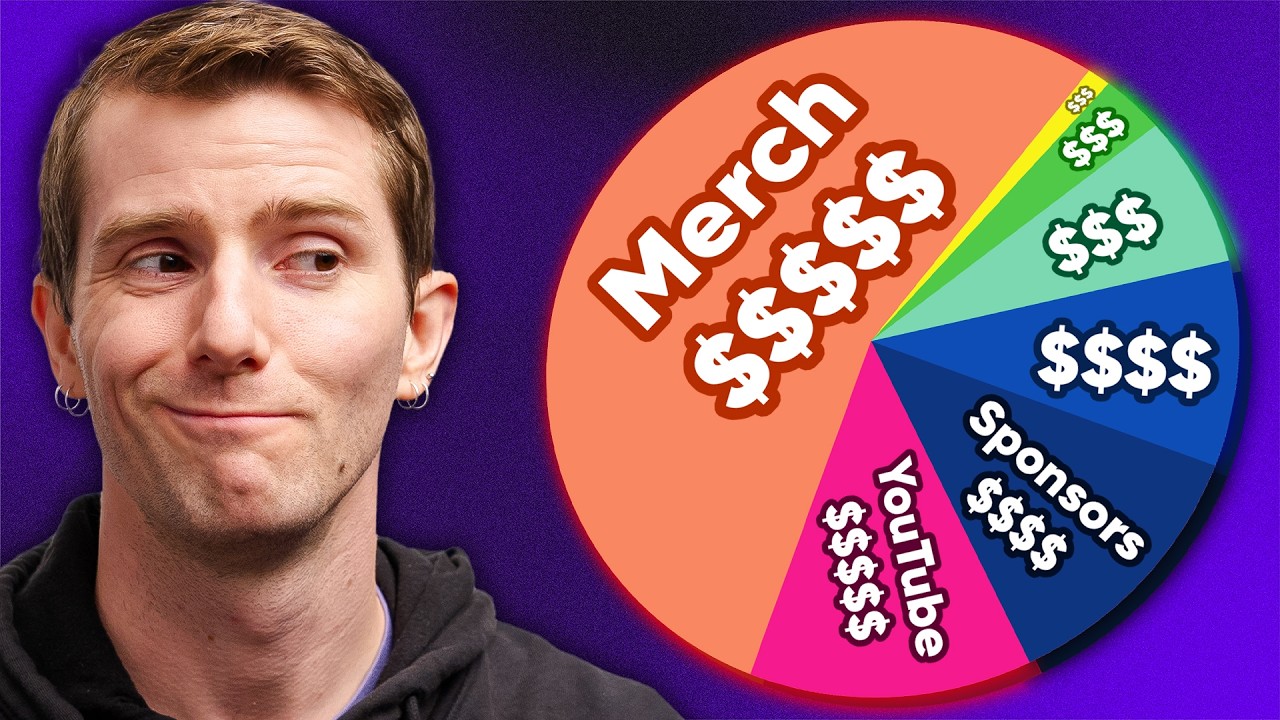
The TRUTH About How LTT Makes Money
0 up · 0 down · 0 ratings
Promos
Thanks to Odoo for sponsoring this video! Go to odoo.com to get a free 15-day trial of Odoo’s all-in-one business solution and see how it can make your life easier! How does Linus Tech Tips make Money? Is it selling computers, making videos, selling merch, or is he running an illegal underground math business? Join the whole team as they break down every income stream and tell us exactly how Linus gets paid! Add another layer to your internet privacy toolkit. Get an exclusive deal on Private Internet Access VPN today at piavpn.com Discuss on the forum: linustechtips.com ► GET OUR MERCH: lttstore.com ► GET EXCLUSIVE CONTENT ON FLOATPLANE: lmg.gg ► SPONSORS, AFFILIATES, AND PARTNERS: lmg.gg Purchases made through some store links may provide some compensation to Linus Media Group. CHAPTERS --------------------------------------------------- 0:00 Intro 0:48 Revenue Overview 1:50 LTT Store 3:50 YouTube Adsense 7:55 Sponsorships 11:55 Affiliate Links 12:20 Floatplane 15:14 Final Breakdown 16:09 Outro
The video opens with a blunt, data-driven look at how Linus Tech Tips (LTT) generates revenue as the team expands beyond its early days. The host explains that 2024 revenue was restructured into a clear breakdown, touching on channels like LTT Store, AdSense, sponsorships, affiliate links, and Flowplane, with a nod to Odoo as a sponsor for this episode. The first major takeaway is the shift in revenue composition, notably the LTT Store climbing from 15% to 55% of total revenue as new product families like hand tools and bags entered the catalog. The segment emphasizes how diversification helps weather fluctuations in any single income stream, and it uses concrete numbers to illustrate the impact of growth and product strategy on the bottom line. The discussion also highlights operational responses to past issues, such as improved warranty adjustments and customer support, to preserve trust while expanding commercial reach. Overall, the opening establishes the thesis that transparency about revenue streams is key to understanding LTT's financial health and resilience. As the breakdown continues, the host delves into the specifics of each revenue stream. The LTT Store is showcased as a central pillar, with the team noting the broadening product mix beyond computer parts to apparel, accessories, and lifestyle items, contributing to a substantial portion of revenue. YouTube AdSense is analyzed with context on percentage share versus actual money, explaining why a lower ad percentage can still result in meaningful earnings when viewed across multiple streams and premium memberships. The sponsorship section reveals how deals are integrated either into existing concepts or discovered through product pitches, always ensuring disclosures and adherence to FTC guidelines. Affiliate links and Flowplane are examined in tandem, illustrating how referral programs and exclusive content platforms fit into the broader monetization strategy. The narration underscores a philosophy of responsible monetization where sponsorships fund quality content without compromising integrity. The video then moves into the broader ecosystem of partners and risk management. Colton is introduced as a recurring figure within the sponsorship ecosystem, and the team breaks down the supplier network into dozens of partner categories to illustrate diversification across PC parts, gaming, lifestyle, and software as a service. The discussion makes clear that no single sponsor dominates revenue, with top tech partners constituting only a minority slice. The team also explains how Flowplane provides a controlled revenue stream through a paid membership platform, including exclusive content and early access, which, while smaller, is growing steadily. A candid note about the “elephants in the room” addresses confidentiality around exact dollar figures, emphasizing fairness and uniform treatment of staff to protect sensitive information while preserving transparency with the audience. The segment closes with a look at governance, leadership changes, and a reminder that the audience ultimately acts as the boss of the business direction. In a concluding synthesis, the hosts reiterate the core message: every line item on the revenue chart is ultimately driven by audience engagement and trust. The sponsor integration process is explained in depth, including the difference between integrated sponsor segments and sponsor-driven spots, all of which are disclosed and vetted for accuracy. The video ends with practical guidance for viewers on how to interpret LTT’s revenue numbers, a plug to try Odoo’s free trial for business management, and an invitation to review past editions for historical context. The takeaway is that LTT prioritizes transparency, experimentation, and community feedback as they navigate growth while maintaining standards and accountability. The closing also teases further details in earlier editions to help viewers compare how the income mix has evolved over time.
Topics · finance · business · technology_media · content_creation · advertising · ecommerce · subscription_models · corporate_governance
Questions answered
- What are the main revenue streams for LTT and how have they changed over time?
- The main revenue streams are LTT Store, YouTube AdSense, sponsorships, affiliate links, and Flowplane. The Store has grown from about 15% of revenue to 55%, thanks to expanded product families. AdSense share declined, but overall earnings remain healthy due to diversification and performance across channels. Sponsorships and affiliate links account for significant portions of revenue, while Flowplane provides a smaller but growing subscription-based income stream.
- How does LTT handle sponsorships to maintain trust with viewers?
- Sponsorships are clearly disclosed in sponsorship segments, and the team emphasizes that sponsors cannot buy opinions. They validate manufacturer claims when possible and maintain transparency through forums and feedback channels. If a sponsor misaligns with audience expectations, they have dropped partners in the past. Also, a mix of integrated sponsorships and sponsored products helps keep content authentic.