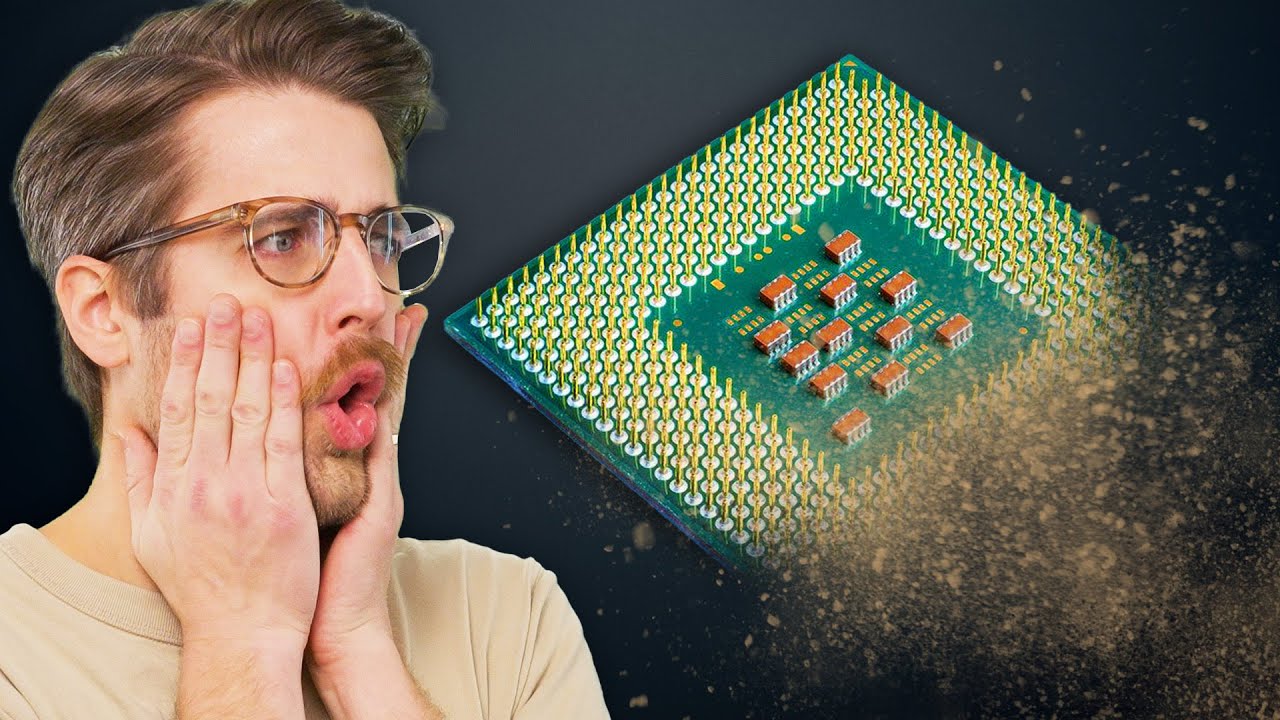
We're Running Out of Sand to Make CPUs
0 up · 0 down · 0 ratings
Promos
Remove your personal information from the web at joindeleteme.com and use code Techquickie for 20% off. Sand is an incredibly important material for lots of different products...including CPUs! But are we running out of this precious resource? Leave a reply with your requests for future episodes. ► GET MERCH: lttstore.com ► LTX 2023 TICKETS AVAILABLE NOW: lmg.gg ► GET EXCLUSIVE CONTENT ON FLOATPLANE: lmg.gg ► SPONSORS, AFFILIATES, AND PARTNERS: lmg.gg FOLLOW US ELSEWHERE --------------------------------------------------- Twitter: twitter.com Facebook: @LinusTech Instagram: @linustech TikTok: @linustech Twitch: twitch.tv
The video opens with a striking claim that we are running out of sand, a material that seems abundant in deserts around the world. It explains that while sand is plentiful in nature, not all sand is suitable for industrial use, especially for silicon chips and glass. The narrator walks through the different sand properties that matter for various applications, such as the need for near-pure silica sand for glass and ultra-pure silicon for semiconductors, where impurities must be kept to extremely low levels. The discussion highlights how sand is a critical resource across multiple industries, from construction and paving to electronics, and references historical and current demand trends. The segment also explains why desert sand, despite its abundance, can be less ideal due to grain shape, but notes that for silicon production the geometry is less important than purity. The video then broadens to the social and environmental dimensions, pointing to illicit sand mining, ecological damage, and the risk to nearby structures from dredging. It outlines several strategies to address shortages, including shifting to alternative materials like crushed rock and ore sand, reusing materials such as glass and asphalt, and exploring novel ideas like upcycling used coffee grounds for concrete. The host argues for longer-lasting, repairable devices to reduce material churn and emphasizes recycling and material efficiency as practical routes forward. The segment closes with a pragmatic tone, acknowledging that while reducing sand use is essential, the world will still need sand for buildings, roads, and electronics, reinforcing the idea that the solution lies in a combination of smarter material choices, recycling, and design for longevity.
Topics · science and technology · environment · materials science · sustainability · electricity and semiconductors
Questions answered
- Why is sand important for CPUs and glass production, and what makes it valuable for silicon chips?
- Sand provides silica that can be purified into metallurgical-grade silicon for semiconductors, with ultra-high purity requirements for chip fabrication. For glass, near-pure silica sand is needed and grains must be very fine and properly colored to produce clear, defect-free glass.
- What alternatives could reduce sand usage in industry according to the video?
- Possible alternatives include using crushed rock as aggregate, demolition material, and ore sand, recycling existing materials like glass and asphalt into new products, and exploring innovations such as using byproducts like coffee grounds to improve concrete strength.
- Is desert sand usable for silicon production, and why or why not?
- Desert sand can be used for silicon production because the geometric shape of sand grains is less critical than the chemical purity required for silicon refinement. However, natural sources vary in composition, so select sources must still meet stringent purity standards.