Things People Used To Do For Fun That Seem Bizarre Today
0 up · 0 down · 0 ratings
Channels and socials
SEND CLIPS TO REACT USING #SidemenReacts on Social Media! : Order food NOW at: eatsides.com : Access exclusive content at: sideplus.com : XIX Vodka: xixvodka.com : Subscribe to our Reacts Channel: youtube.com
: Sidemen Clothing: sidemenclothing.com Subscribe to our 2nd Channel: youtube.com : Sidemen Instagram: @Sidemen : Sidemen Twitter: twitter.com #SidemenReacts #Reacts #ReactsClips
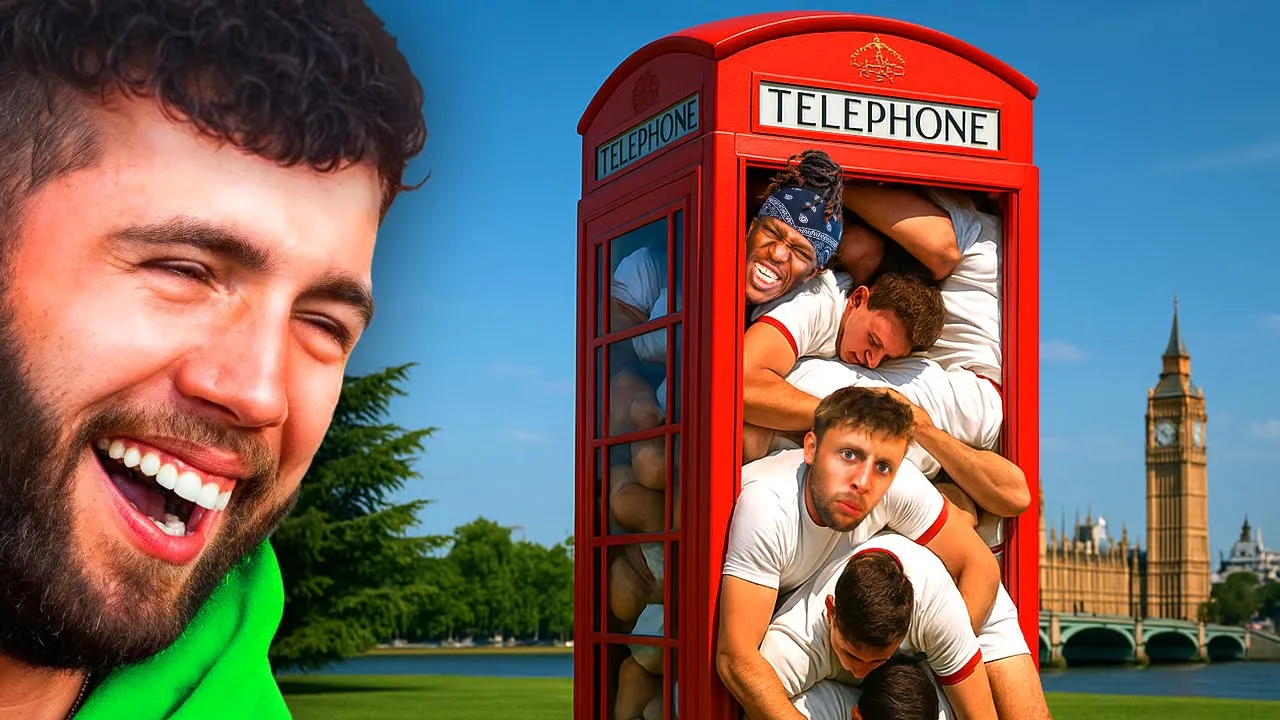
The video opens with a playful setup as the hosts tease the premise of exploring historical and unusual leisure activities, then dives into the first segment about pedestrianism. They explain that in the late 19th century competitive walking could rival running in popularity, with six-day endurance events drawing crowds and wagering. The discussion unfolds with a mix of humor and curiosity, as they compare the historical craze to modern fitness norms and reflect on how jogging as a concept only emerged later. They highlight the scale of these events, the crowds they attracted, and the dramatic persistence required to walk for days on end, offering a sense of the era through light banter and historical notes. The segment ends with the realization that not all pastimes are quaint, as the hosts contrast the spectacle with the more wholesome surface of contemporary entertainment. Moving into the flea circus and pole sitting, the hosts explore how tiny performing fleas balanced on ropes and pulled chariots entertained audiences, while flagpole sitting in the 1920s drew huge crowds for extended stints atop vertical poles. They discuss the practical implications and the novelty of watching someone sit on a flagpole for hours, drawing parallels to other endurance stunts and the era's fascination with spectacle. The conversation shifts to dance marathons, where partners danced for 24 hours or longer to raise funds, emphasizing the exhausting dedication and the communal energy such events generated. The hosts compare these to modern dance trends and wonder how long people would last under similar conditions today. They interweave amusing anecdotes with factual notes, such as the record durations and the crowds that gathered to witness these performances. In the later portion, the video surveys other odd pastimes like goldfish swallowing, phone booth stuffing, and even radium-related parties, outlining the hazards and social dynamics that fueled these fads. They touch on wax bullet dueling and horse diving, explaining how these activities were designed to entertain while minimizing danger, yet often carried real risk. The hosts reflect on the Victorian seances, anthropomorphic taxidermy, and the broader cultural appetite for novelty, mystery, and danger that defined eras before mass media. Throughout, they balance curiosity with caution, commenting on fraud, safety concerns, and the ethical questions these entertainments raise. The conclusion nudges viewers to consider how far entertainment has come, inviting discussion about what we might find bizarre in the present looking back a century from now.
Topics · entertainment · history · culture · trends
Questions answered
- What is pedestrianism and how was it popular in the 1880s and 1890s?
- Pedestrianism was a form of competitive long-distance walking that drew large crowds and wagers, with walkers competing in endurance events that could last multiple days.
- Why did goldfish swallowing become a fad and why was it stopped?
- Goldfish swallowing became a trend among pranksters and students who tried to swallow live goldfish, but public health authorities stopped it due to risks like tapeworms and other health concerns.