How Does Google Traffic Work?
0 up · 0 down · 0 ratings
Promos
How does Google Traffic keep up with road conditions in so many places? Freshbooks message: Head over to freshbooks.com and don’t forget to enter Tech Quickie in the “How Did You Hear About Us” section when signing up for your free trial. Techquickie Merch Store: designbyhumans.com Techquickie Movie Poster: shop.crowdmade.com Follow: twitter.com Leave a reply with your requests for future episodes, or tweet them here: twitter.com Intro Theme: Showdown by F.O.O.L from Monstercat - Best of 2016 Video Link: youtube.com iTunes Download Link: itunes.apple.com Listen on Spotify: open.spotify.com
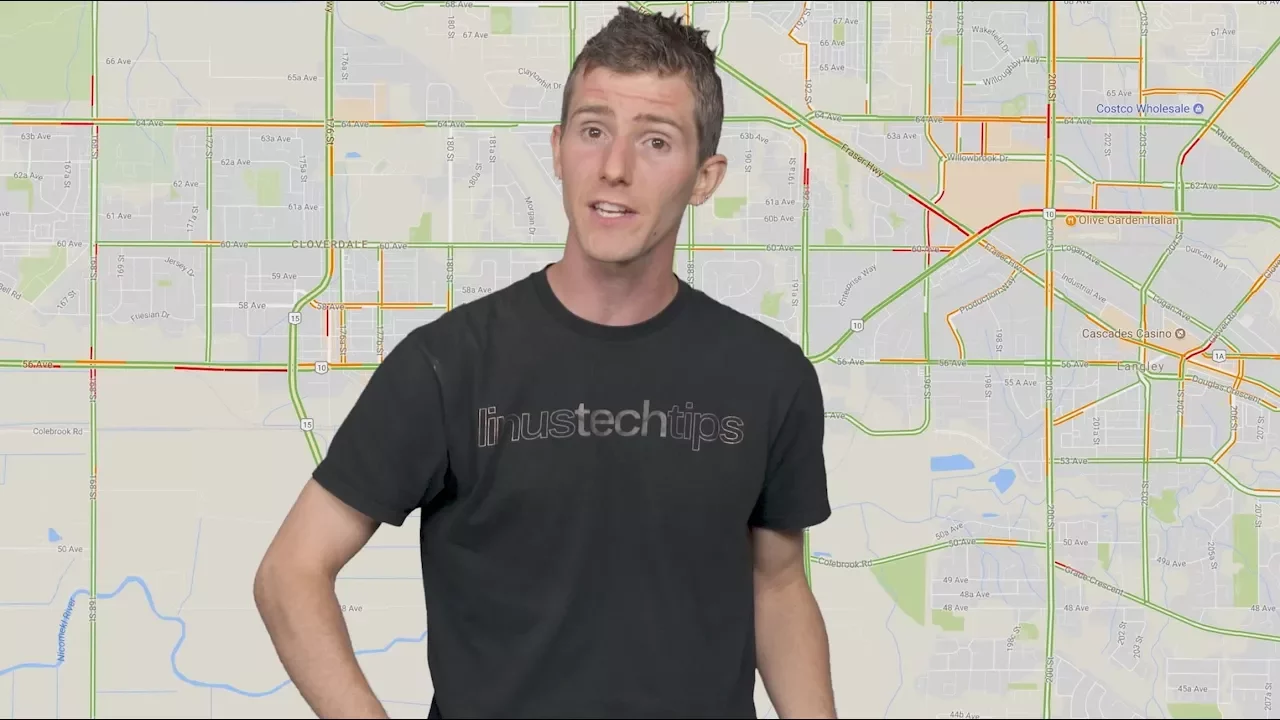
Google Traffic relies on a blend of live data from user devices and historical patterns to determine road conditions and travel times. The video explains that data is gathered from smartphones and navigation apps, using GPS signals, cell tower triangulation, and other location measurements to estimate how fast vehicles are moving on each road segment. It also highlights crowdsourced inputs from apps like Waze to enrich real-time updates, enabling Google to reflect changes such as accidents, construction, or sudden congestion. The discussion covers how fresh data is compared against long-term averages to detect anomalies and adjust routing recommendations accordingly. Viewers learn that privacy and data-control settings affect what data is collected, and that the system continually refines its models as more data becomes available. The segment concludes by noting that traffic maps are a complex orchestration of multiple data streams designed to keep maps accurate across many geographies. The takeaway is that Google Traffic is an ongoing, data-driven process that improves with higher data volume and smarter data fusion, even as individual trip details remain subject to user privacy controls and data-sharing settings.
Topics · technology · navigation · data privacy · telecommunications