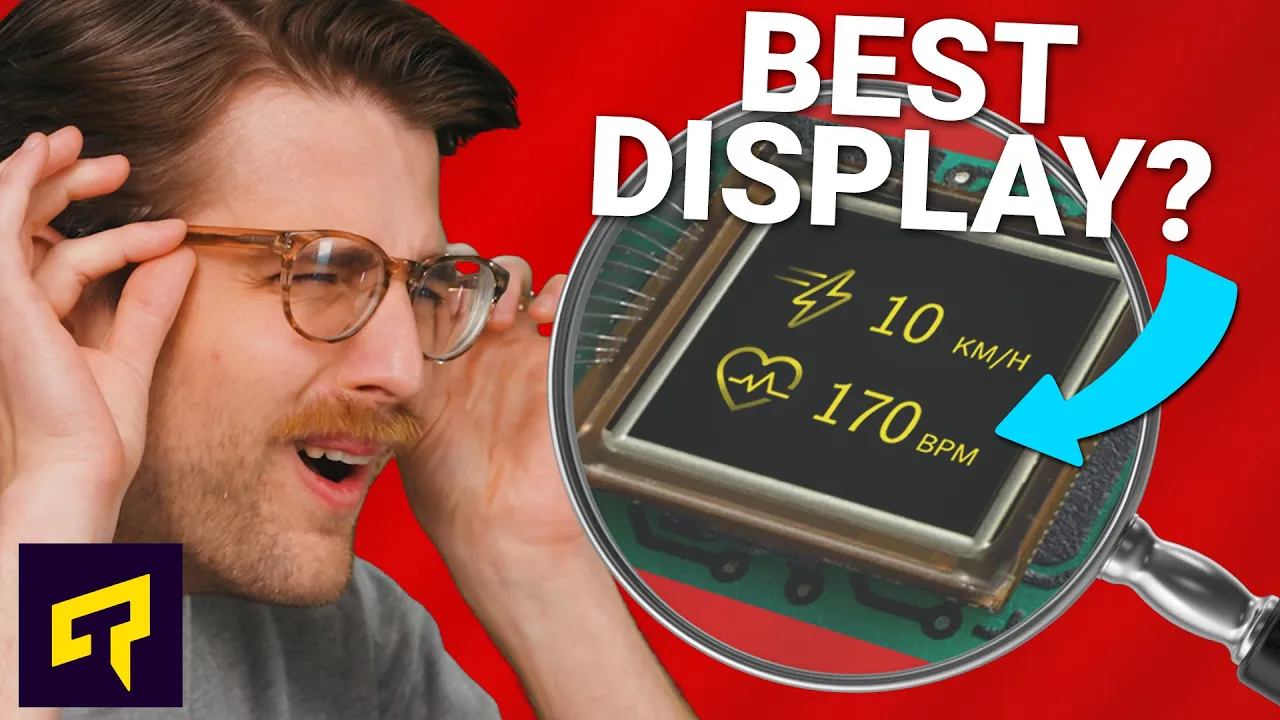
The Display With Cell-Sized Pixels
0 up · 0 down · 0 ratings
Promos
Remove your personal information from the web at joindeleteme.com and use code Techquickie for 20% off. Learn about Nano OLED display tech and how it's powering the new Apple Vision Pro. Leave a reply with your requests for future episodes. ► GET MERCH: lttstore.com ► LTX 2023 TICKETS AVAILABLE NOW: lmg.gg ► GET EXCLUSIVE CONTENT ON FLOATPLANE: lmg.gg ► SPONSORS, AFFILIATES, AND PARTNERS: lmg.gg FOLLOW US ELSEWHERE --------------------------------------------------- Twitter: twitter.com Facebook: @LinusTech Instagram: @linustech TikTok: @linustech Twitch: twitch.tv
The video discusses micro OLED technology and how it differs from traditional OLED displays, with a focus on its use in headsets like Apple Vision Pro. It explains that micro OLED achieves very high pixel density by using silicon wafers as a substrate instead of glass, which allows for much smaller pixels and higher apparent resolution. The host notes that Apple may be leveraging two white OLED layers whose light is passed through micro lenses to boost brightness, and he mentions industry speculation around the exact display stack. The discussion also covers practical limitations, emphasizing that micro OLED is likely to be more energy intensive than conventional OLED, particularly for larger displays, due to the use of a white light approach that requires color filtering. The video argues that the current form factor and silicon wafer size cap the practicality of large micro OLED panels, suggesting a price premium and limited use cases beyond VR headsets, camera viewfinders, or specialized displays. It ends by contrasting the potential experience of micro OLED in a headset with current LCD tech, while acknowledging that the Apple tax may apply and that mainstream adoption for large screens remains uncertain. Overall, the host balances excitement about higher pixel density with cautious expectations about efficiency, cost, and applicability in consumer devices beyond immersive headsets.
Topics · technology · display_technology · consumer_electronics · science_and_tech awareness
Questions answered
- What is micro OLED and how does it differ from traditional OLED in consumer devices?
- Micro OLED uses silicon wafers as a substrate to enable much smaller pixels and higher pixel density, potentially increasing resolution in small displays like VR headsets. It may involve white OLED layers with micro lenses to boost brightness, and it differs from traditional RGB OLED setups that don’t rely on a white backlight.
- Why might micro OLED not become the dominant display technology for large screens?
- Because current silicon wafers cap around 12 inches in diameter, making large panels impractical. Additionally, higher pixel density does not translate into noticeable gains for large screens at typical viewing distances, and power efficiency and cost remain barriers for widespread adoption.