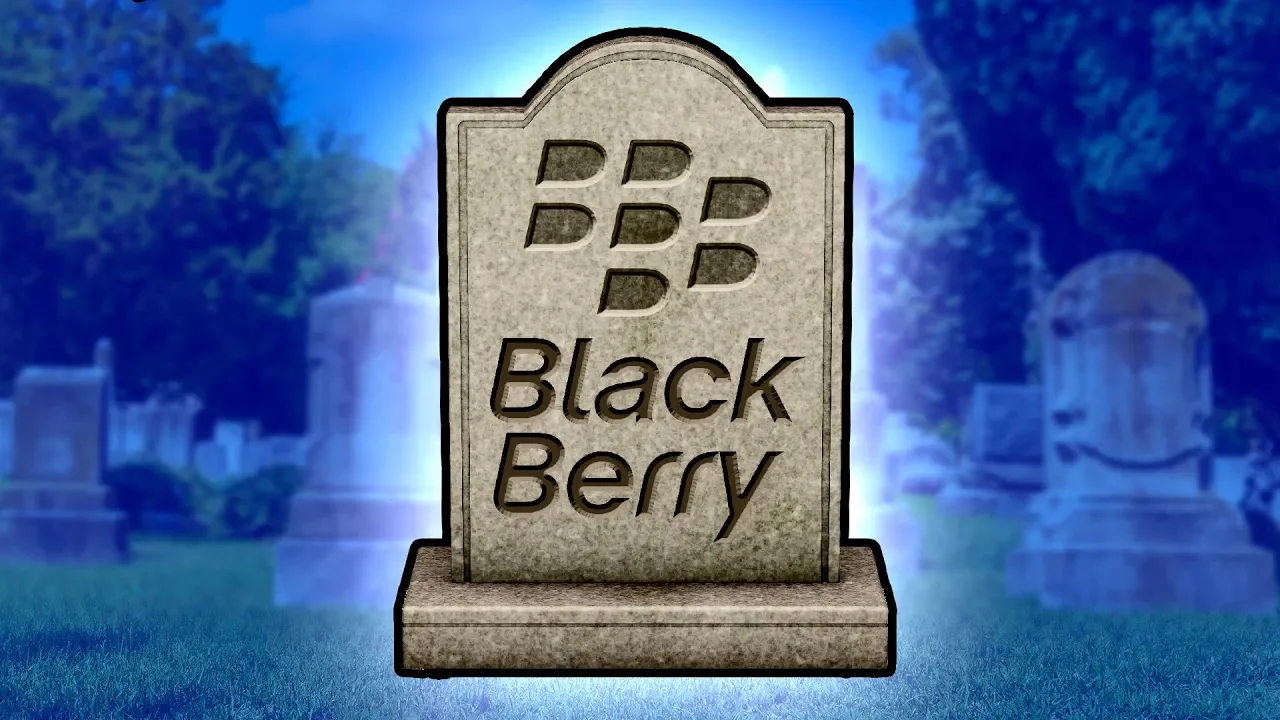
How iPhone KILLED the BlackBerry
0 up · 0 down · 0 ratings
Promos
Squarespace link: Visit squarespace.com and use offer code TECHQUICKIE to save 10% off your first order. Why aren't BlackBerries popular anymore? Techquickie Merch Store: lttstore.com Follow: twitter.com Join the community: linustechtips.com Leave a reply with your requests for future episodes, or tweet them here: twitter.com
The video opens by contrasting the peak of BlackBerry with the arrival of the iPhone in 2007, explaining how BlackBerry was marketed to business users as a secure, always-connected device with push email and a physical QWERTY keyboard. It describes BlackBerry’s early success, including free trials and encryption that appealed to executives and politicians who needed reliable, secure communication. The narrator highlights how BlackBerry’s emphasis on first-party apps and a hardware keyboard made it a favorite among professionals before touchscreen smartphones became mainstream. The rise of iOS and Android is then analyzed as more open platforms that encouraged third-party development, expanding functionality far beyond what BlackBerry offered. The video argues that BlackBerry misread the shift toward consumer devices and touchscreens, underestimating the speed at which companies would allow employees to bring their own devices and use them for work. It also points to missteps like persisting with Flash support despite market and device limitations, and the failure to pivot away from a business-only focus as consumer demand surged for more versatile, touchscreen smartphones. The conclusion ties these strategic errors to the dramatic market collapse, noting BlackBerry’s loss of dominant market share and its evolution into a much smaller player while the brand persists through licensing and Android-based flavors. Finally, the host plugs tech-focused resources and Squarespace, emphasizing how modern digital presence and tooling shape technology storytelling today.
Topics · technology history · mobile devices · business technology · history of computing
Questions answered
- What were the core reasons BlackBerry lost market share to iPhone and Android?
- BlackBerry failed to embrace consumer-focused design, neglected the growing importance of touchscreen smartphones and third-party app ecosystems, and underestimated how quickly employees would adopt consumer devices for work while cut off from wider developer communities.
- How did business strategies contribute to BlackBerry's decline?
- By continuing to prioritize a business-only, secure platform with a physical keyboard and first-party apps, BlackBerry missed the shift toward open platforms and BYOD trends that allowed iPhone and Android to dominate.