How Does Goal-Line Technology Work?
0 up · 0 down · 0 ratings
Promos
How does goal-line technology in soccer/football work? TunnelBear message: TunnelBear is the easy-to-use VPN app for mobile and desktop. Visit tunnelbear.com to try it free and save 10% when you sign up for unlimited TunnelBear data. Techquickie Merch Store: designbyhumans.com Techquickie Movie Poster: shop.crowdmade.com Follow: twitter.com Leave a reply with your requests for future episodes, or tweet them here: twitter.com Licenses for images used: creativecommons.org creativecommons.org
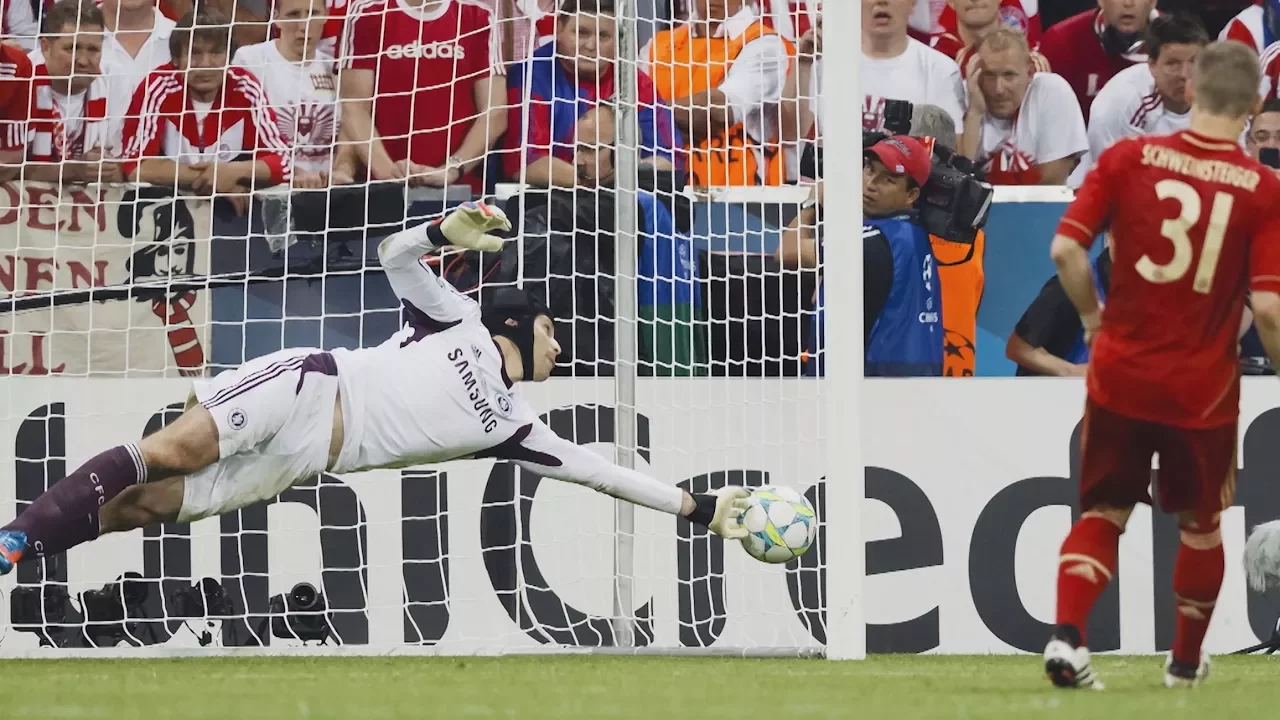
Goal-line technology is presented as a crucial upgrade to officiating in soccer, addressing the small but decisive moment when the ball crosses the goal line. The video explains that it is not enough for the ball to touch the line; it must be completely over it to count as a goal. To remove ambiguity, modern systems deploy multiple cameras around each goal, with seven cameras focused on the goal and a total of fourteen cameras in use. Each camera feeds a computer that analyzes the ball and the field in 3D space, allowing triangulation of the ball’s position at any moment. Even if some views are blocked by players, the system can determine the ball’s location using at least three of the seven cameras, ensuring reliability in crowded goalmouth situations. When the software confirms the ball has fully crossed the line, it sends a signal to a referee’s wristwatch, enabling near-immediate goal confirmation without lengthy video reviews. The video also shows how high-speed imaging, up to 500 frames per second, can achieve precision better than four millimeters, underscoring the accuracy of the technology. This level of precision has contributed to widespread adoption in major competitions like the UEFA Champions League, Copa America, and even World Cup events, illustrating a shift toward technology-assisted officiating in top-tier soccer. In addition to camera-based systems, the video mentions an alternative magnetic-sensor approach that embeds sensors in the goal frame and in the ball, offering a potentially cheaper solution for lower-level play while raising questions about modifications to the traditional ball. The overall trend highlighted is toward ensuring correct goal calls, with top clubs and leagues advocating for broader use of technology to reduce human error and speed up decision making. The speaker closes by inviting viewer opinions on goal-line technology and teasing future tech-focused sports content, while briefly promoting related tech products.
Topics · Sports technology · Science and technology · Soccer
Questions answered
- What makes goal-line technology necessary in football, and how does it improve decisions on goals?
- Goal-line technology removes ambiguity by determining when the ball has completely crossed the goal line, a decision that can hinge on millimeters. It uses multiple high-speed cameras around the goal to triangulate the ball’s 3D position and, when a goal is detected, communicates instantly to the referee via a wearable device.
- What are the two main approaches to goal-line detection mentioned in the video?
- The video describes a camera-based system that uses high-speed cameras and 3D ball tracking, and an alternative magnetic-sensor system that embeds sensors in the goal frame and the ball to detect when the ball crosses the line.