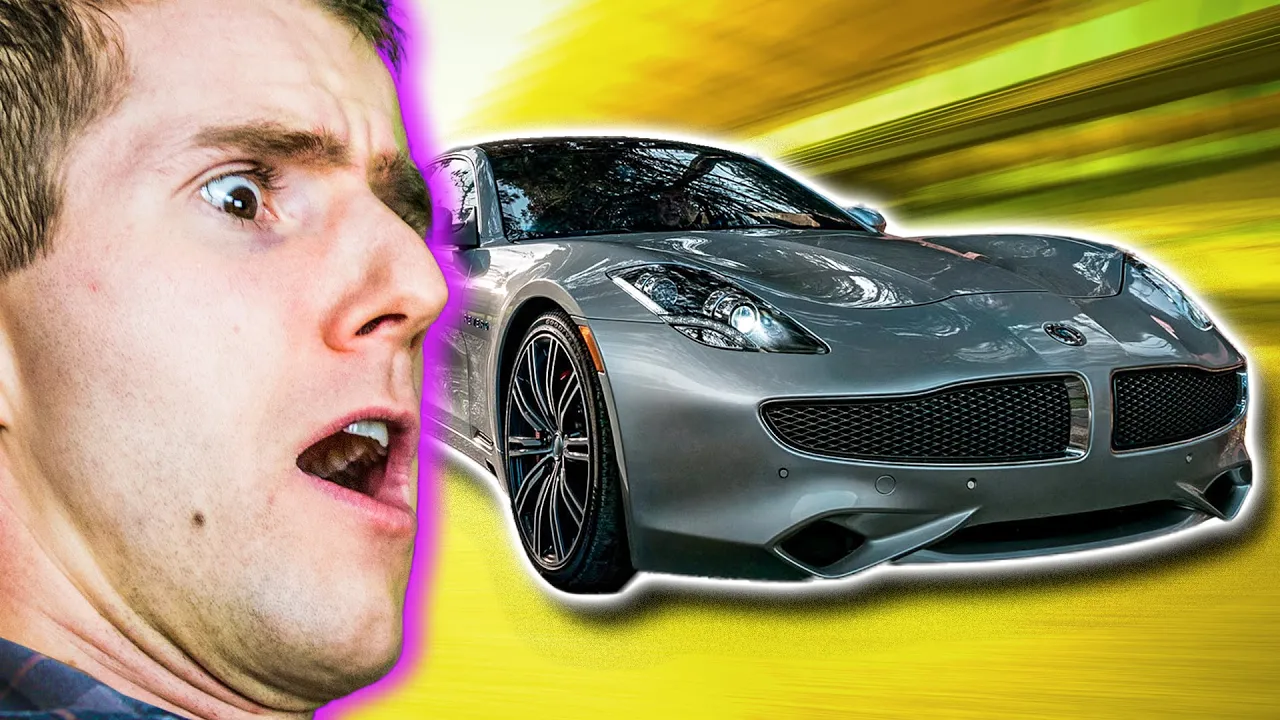
What's so cool about this car's prototype FM RADIO?? - Karma Revero Showcase
0 up · 0 down · 0 ratings
Description
Thanks to DTS and Fotonation for sponsoring this video! Learn more about Xperi's innovations at lmg.gg We went to the New York Auto show to
Promos
check out Karma's Revero, and some of the prototype technology featured inside. Discuss on the forum: linustechtips.com Our Affiliates, Referral Programs, and Sponsors: linustechtips.com Get Private Internet Access today at geni.us Displate metal posters: lmg.gg Linus Tech Tips merchandise at lttstore.com Linus Tech Tips posters at crowdmade.com Our Test Benches on Amazon: amazon.com Our production gear: geni.us Twitter - twitter.com Facebook - @LinusTech Instagram - @linustech Twitch - twitch.tv Intro Screen Music Credit: Title: Laszlo - Supernova Video Link: youtube.com iTunes Download Link: itunes.apple.com Artist Link: soundcloud.com Outro Screen Music Credit: Approaching Nirvana - Sugar High youtube.com
The video takes us to New York where the Karma Revero Aliso Edition is showcased, highlighting not just design flair but a batch of prototype technologies inside. The host explains the lineage from Fisker Karma to Karma and notes how the Revero, while visually similar to its predecessor, is built on a different under-the-hood architecture, including a new set of powertrain and electronics. A standout feature is the prototype FM radio developed in collaboration with DTS and PhotoNation, which goes beyond traditional radios by pulling metadata through an internet connection to display album artwork, song titles, and artists, and even allows users to like and share tracks. The segment delves into the practicalities of in-car infotainment, suggesting that nearly a majority of drivers still rely on radio traditionalism, yet this connected radio brings a modern layer of context to listening experiences. The discussion then broadens to driver monitoring capabilities: an infrared camera under the steering wheel tracks eye and head position to infer mood and attention, with future implications for autonomous driving where driver readiness could dictate handover behavior. In the same breath, the system is presented as more than a mood sensor; it dynamically adjusts features like a changeable field of view backup camera based on where the driver is looking, enhancing rear visibility and safety. The host notes that these capabilities have been prototyped and implemented in automotive-grade hardware over a short four-week period, underscoring how quickly such innovations can move from demo to potential production. The video closes with a practical tour of the trunk where power rails and a central processing box illustrate how a connected radio and supporting electronics can be condensed into a single chip, implying a future where smarter cars are supported by compact, cost-efficient modules. Overall, the video blends reverence for Karma’s design heritage with a forward-looking view of connected infotainment and driver-assistance technologies that may begin appearing in cars available to consumers soon, framing the Karma Revero as a testbed for what modern automotive tech might eventually become.
Topics · automotive technology · in-vehicle-systems · technology · science and tech · car-showcase
Questions answered
- What makes the Karma Revero's prototype FM radio different from a traditional car radio?
- It connects to the internet to download metadata for stations, displays album artwork and song titles, and allows liking and sharing tracks, going beyond traditional static station lists.
- What driver monitoring features are demonstrated and what future use do they have?
- An IR camera tracks eye and head position to infer attention and mood, and could be used to ensure the driver is ready to take control during autonomous handovers, while also enabling features like a dynamic backup camera view.
- How quickly are these technologies being implemented according to the video?
- The host states that the driver monitoring, connected radio, and other features were implemented in automotive-grade hardware in about four weeks, suggesting rapid prototyping can lead to near-future production options.