The Tech that's Saving VR: Inside-out Tracking
0 up · 0 down · 0 ratings
Promos
Get an unrestricted 30-day free trial of FreshBooks at freshbooks.com How do Virtual Reality headsets with inside-out tracking work? LTT Merch Store: lttstore.com Follow: twitter.com Leave a reply with your requests for future episodes, or tweet them here: twitter.com
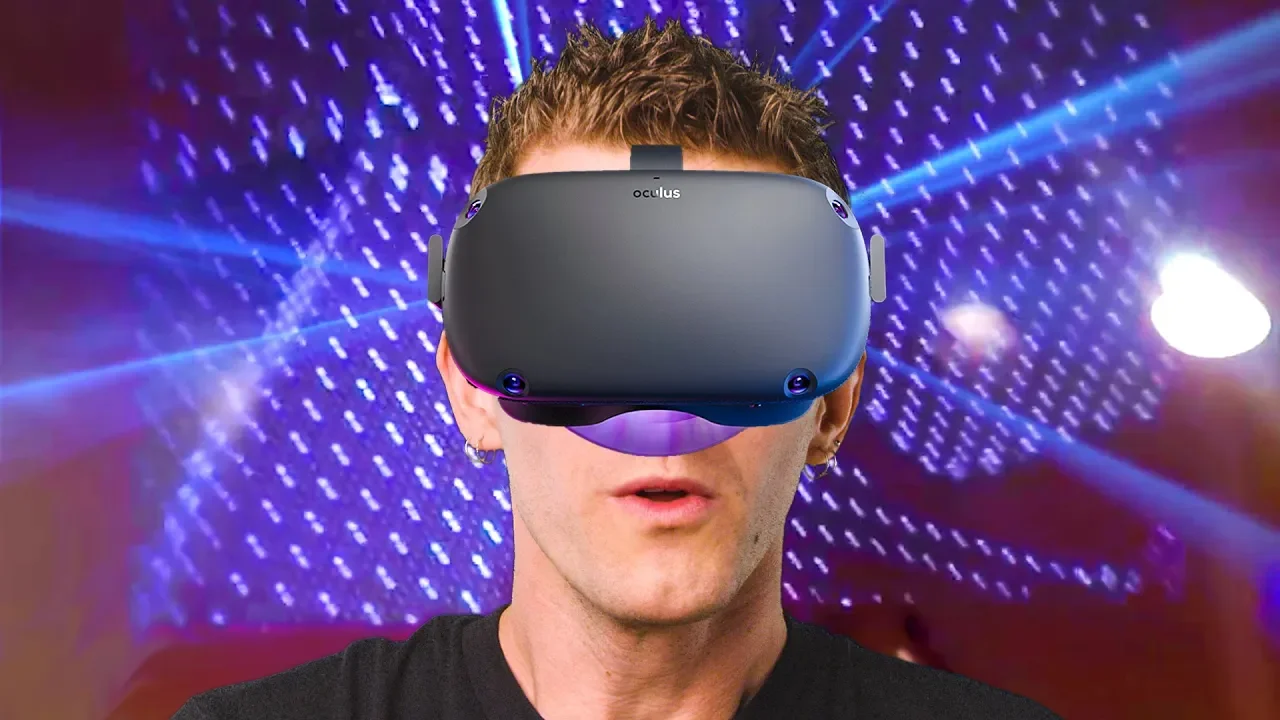
The video explains how inside-out tracking, particularly markerless inside-out tracking, is changing the VR landscape by removing the need for external sensors. It contrasts traditional outside-in setups with modern headset-embedded sensors, showing how devices like Oculus Quest and Rift S move toward a simpler, cheaper, wireless VR experience. The host defines inside-out tracking as a method that relies on the headset’s own sensors to determine position in 3D space, using slam technology to map surroundings while continuously localizing the headset itself. The video emphasizes that while markerless tracking promises convenience, it also brings challenges such as occlusion, reliance on mobile hardware, and limitations with outdoor use. It discusses how slam combines cameras, accelerometers, gyroscopes, and software to build a dynamic map of the environment and track the headset within it, a technique borrowed from robotics and autonomous vehicles. The host notes that early issues like frame rates and processing power may affect fidelity and comfort, but ongoing software and hardware improvements, such as foveated rendering, are aimed at making these systems more capable and mainstream. The overall message is cautiously optimistic: as hardware performance improves and software optimizations mature, inside-out tracking could deliver a wireless, affordable VR experience without sacrificing too much fidelity. The video ends with a brief aside about the relevance of mainstream readiness, suggesting that the fusion of better hardware, smoother tracking, and smarter software will drive VR toward broader adoption rather than remaining a niche enthusiast tech. The description then pivots to a product plug, but the core technical discussion remains focused on how slam enables inside-out tracking and what that means for VR users.
Topics · virtual reality · technology · gaming hardware · computer vision
Questions answered
- What is inside-out tracking in VR and how does it differ from traditional tracking methods?
- Inside-out tracking uses sensors embedded in the headset to determine its position in 3D space, removing the need for external camera towers. Traditional methods often rely on external sensors or cameras (outside-in tracking) to locate the headset and controllers.
- What is SLAM and why is it important for inside-out VR tracking?
- SLAM stands for simultaneous localization and mapping. It enables the headset to build a map of its environment while tracking its own position within that map, using data from cameras, accelerometers, and gyroscopes to maintain accurate positioning.