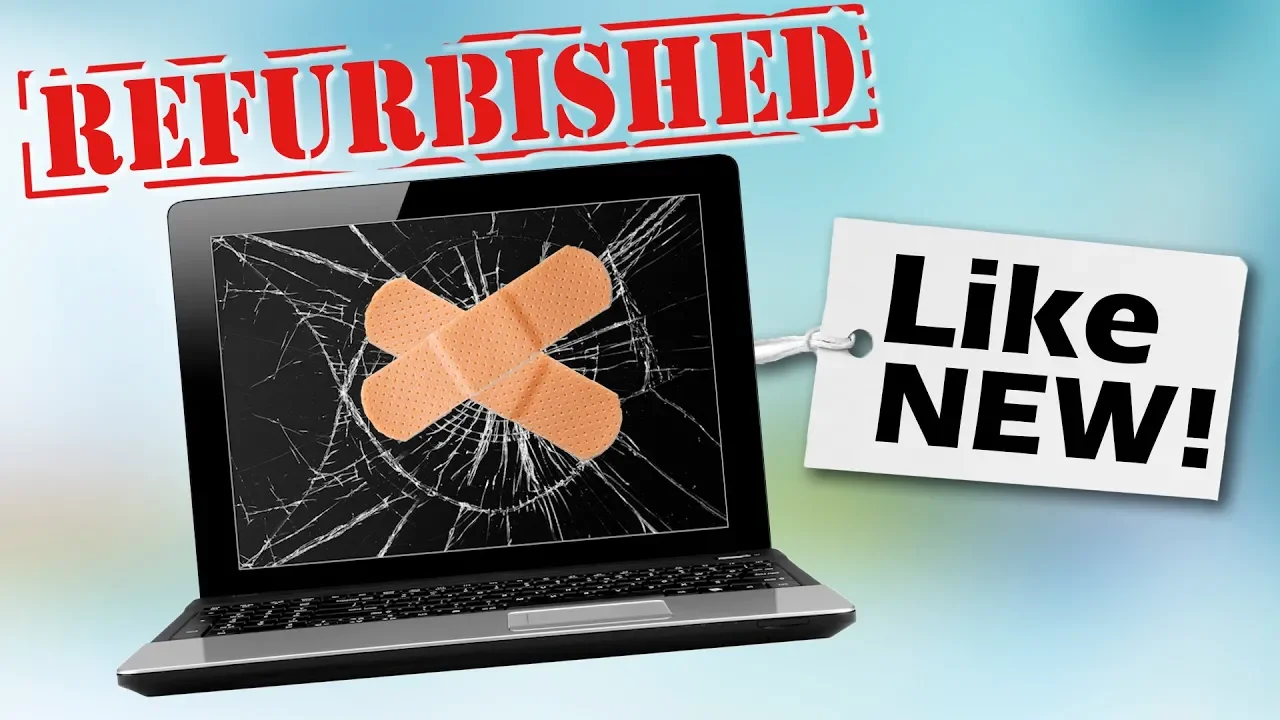
Should You Buy Refurbished Electronics?
0 up · 0 down · 0 ratings
Promos
Freshbooks message: Head over to freshbooks.com and don’t forget to enter Tech Quickie in the “How Did You Hear About Us” section when signing up for your free trial. Is buying refurbished electronics a great way to save money, or a risky gamble on a mistreated gadget? Techquickie explains. Techquickie Merch Store: designbyhumans.com Techquickie Movie Poster: shop.crowdmade.com Follow: twitter.com Leave a reply with your requests for future episodes, or tweet them here: twitter.com Join the community: linustechtips.com Intro Theme: Showdown by F.O.O.L from Monstercat - Best of 2016 Video Link: youtube.com iTunes Download Link: itunes.apple.com Listen on Spotify: open.spotify.com
Refurbished electronics are a practical way to save money, but they come with caveats that buyers should carefully consider. The video opens by clarifying what refurbished actually means, noting that items are often returns from regular customers or even demo units that may have cosmetic or functional defects. It emphasizes that these products are not just random junk; reputable refurbishers inspect, repair, and test units to ensure they function properly and to avoid costly returns. The host explains that while fixing modern electronics can be expensive, a unit that shows only minor issues or cosmetic wear can still offer solid performance, especially in categories with longer component lifespans such as monitors, speakers, and certain peripherals. The discussion then shifts to warranties, highlighting that terms can vary widely from a month to a year, depending on the seller, and that the possibility of recourse should be a key factor in the purchase decision. A central point is the concept of factory certified refurbishments, where the refurbishing process is performed by the original manufacturer or an authorized party to meet certain quality standards, with brands like Dell and Apple cited as examples. The video also advises caution with more failure-prone components like hard drives or some TVs and monitors, where refurbishment may not yield meaningful savings. It concludes by reinforcing the value of checking warranty terms and choosing refurbished products with credible certification to balance cost savings against risk, while also noting that higher-end refurbished items may involve more thorough reworking to approach like-new performance.
Topics · technology · consumer_electronics · refurbished_goods · warranties
Questions answered
- What makes a product qualify as refurbished and how can buyers verify quality?
- Refurbished products are typically returns or demo units that are inspected, repaired if needed, and tested by the refurbisher or manufacturer to meet a certain quality standard. Verification comes from warranty terms, certification labels (such as factory certified), and documentation showing inspection and tests.
- Are there certain components that should be avoided when buying refurbished?
- Yes, components with limited lifespans like certain hard drives, SSDs, TVs, and monitors may not be worth refurbishing in some cases, as their remaining life may be short despite cost savings.