The Worst Hot Takes in Tech
0 up · 0 down · 0 ratings
Channels and socials
You all should be sorry Get that shirt: mkbhd.com JxmyHighRoller: @JxmyHighroller Tech I'm using right now: amazon.com Playlist of MKBHD Intro music: goo.gl ~ twitter.com @MKBHD @MKBHD
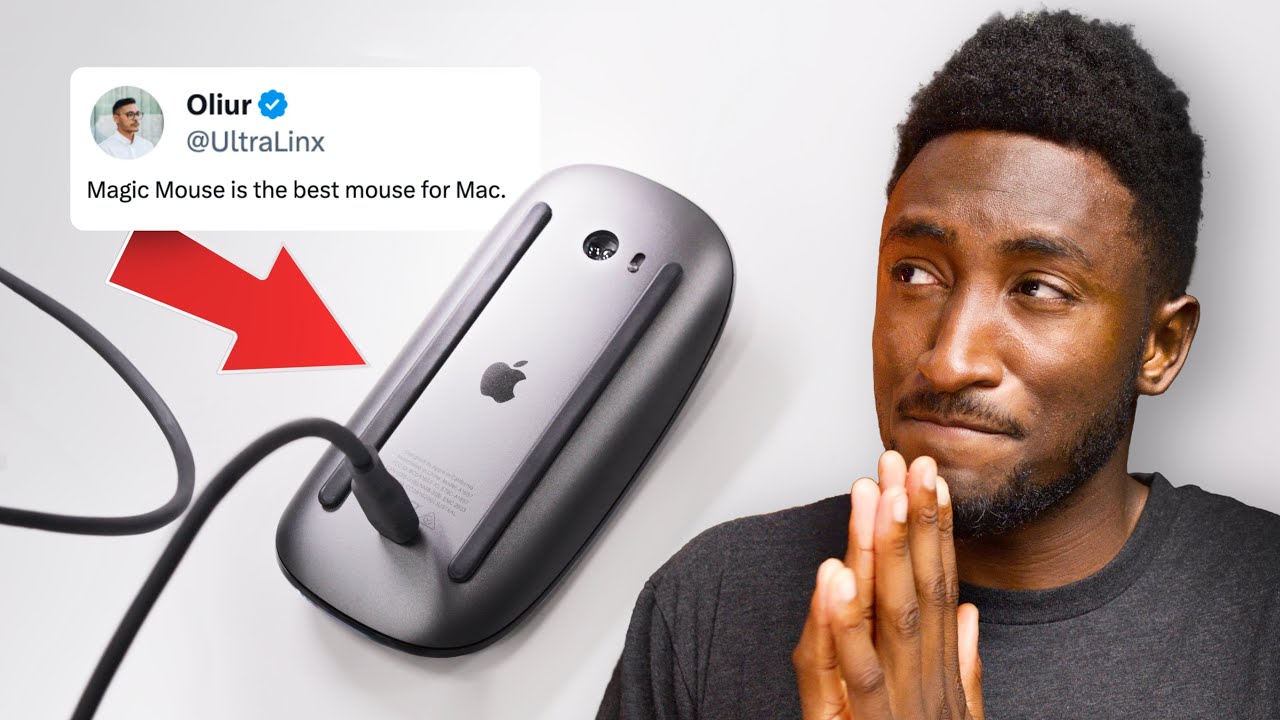
The video opens with Marques discussing the social phenomenon of controversial opinions found online, promising to evaluate whether these hot takes are good or not. The first major takeaway centers on the Tesla Cybertruck, with the host arguing that while the vehicle is highly anticipated, a predicted outsell of the Ford F-150 by 2026 is overly optimistic. He lays out the historical sales strength of the F-150, noting it has been the best selling truck in America for decades and sells hundreds of thousands of units annually. The discussion emphasizes the manufacturing ramp-up challenge for a new vehicle platform, suggesting that real-world production and demand dynamics will take longer to normalize than a three-year horizon implies. While admitting optimism about the Cybertruck’s disruptive potential, the host concludes with a cautious stance that the bold outsell claim should be labeled a bad take due to practical production and market factors. The middle segment tackles Apple Maps versus Google Maps, reflecting on how Apple Maps has dramatically improved since its rocky launch. The host recalls the early missteps, including missing towns and inaccurate data, and highlights the ongoing efforts to enrich data quality, street view coverage, real time traffic, and offline map capabilities. He compares Apple Maps and Google Maps in various locales, noting that in some regions Apple Maps matches or even surpasses Google in navigation quality and design aesthetics, while acknowledging Google’s broader data footprint and global coverage. The discussion remains balanced, concluding that both apps are now strong contenders depending on location and use case, and that offline maps in iOS 17 are a notable milestone in Apple’s progress to close the gap with Google. The final portion covers a set of familiar tech hot takes, including the claim that the Magic Mouse is the best Mac mouse and a critique of Google’s Tensor chip in favor of Snapdragon, while touching on the subjective nature of audio with Beats headphones. The host dissects the Magic Mouse by examining ergonomics, charging design, and the realities of Apple’s ecosystem, arguing that despite smooth scrolling as a standout feature, the bottom-charging port and ergonomic flaws prevent it from being universally regarded as the best. He also scrutinizes Google Tensor, acknowledging its current shortcomings but suggesting that future optimizations could unlock its potential and that abandoning Tensor altogether would be premature. Throughout, the host connects these takes to broader themes of design trade-offs, platform lock-in, and the balance between hype and practical feasibility, concluding with an invitation to viewers to share their own hot takes for future videos.
Topics · technology · automobiles · mapping · audio · consumer_electronics · software · hardware · review
Questions answered
- Why do hot tech takes often fail to account for production ramp up in new vehicles like the Cybertruck?
- Because manufacturing scale and supply chain constraints often limit how quickly a new model can be produced and sold, even with high pre-orders, making outsell predictions overly optimistic.
- How has Apple Maps improved since its launch and how does it compare to Google Maps today?
- Apple Maps has improved data accuracy, street view coverage, real time traffic, and offline map capability, and in some regions it offers navigation that is on par with or better than Google Maps, though Google retains broader data coverage globally.
- What makes the Magic Mouse still controversial among Mac users?
- Its bottom charging port and ergonomics are frequent points of contention, as well as the challenge of achieving universally optimal comfort while maintaining smooth scrolling and integration with the Apple ecosystem.