0 up · 0 down · 0 ratings
Promos
Check out the SHARGE Pixel 100 at bit.ly NEWS SOURCES: lmg.gg ► GET MERCH: lttstore.com ► GET EXCLUSIVE CONTENT ON FLOATPLANE: lmg.gg ► GET A VPN: piavpn.com ► LISTEN TO THE TECH NEWS: lmg.gg ► SPONSORS, AFFILIATES, AND PARTNERS: lmg.gg ► OUR PODCAST GEAR: lmg.gg --------------------------------------------------- Timestamps: 0:00 i just think that's so cool 0:12 Nvidia N1x Arm CPU spotted 1:16 Android 16 on Pixels - open source still? 2:43 AI deals, lawsuits, and exploits 4:40 Sharge! 5:27 QUICK BITS INTRO 5:38 Switch 2 sales record, battery bug 6:15 China-US trade agreement 6:51 EVGA mobos borking GPUs 7:18 Google Beam device: HP Dimension 7:49 centipede farming robots, of course
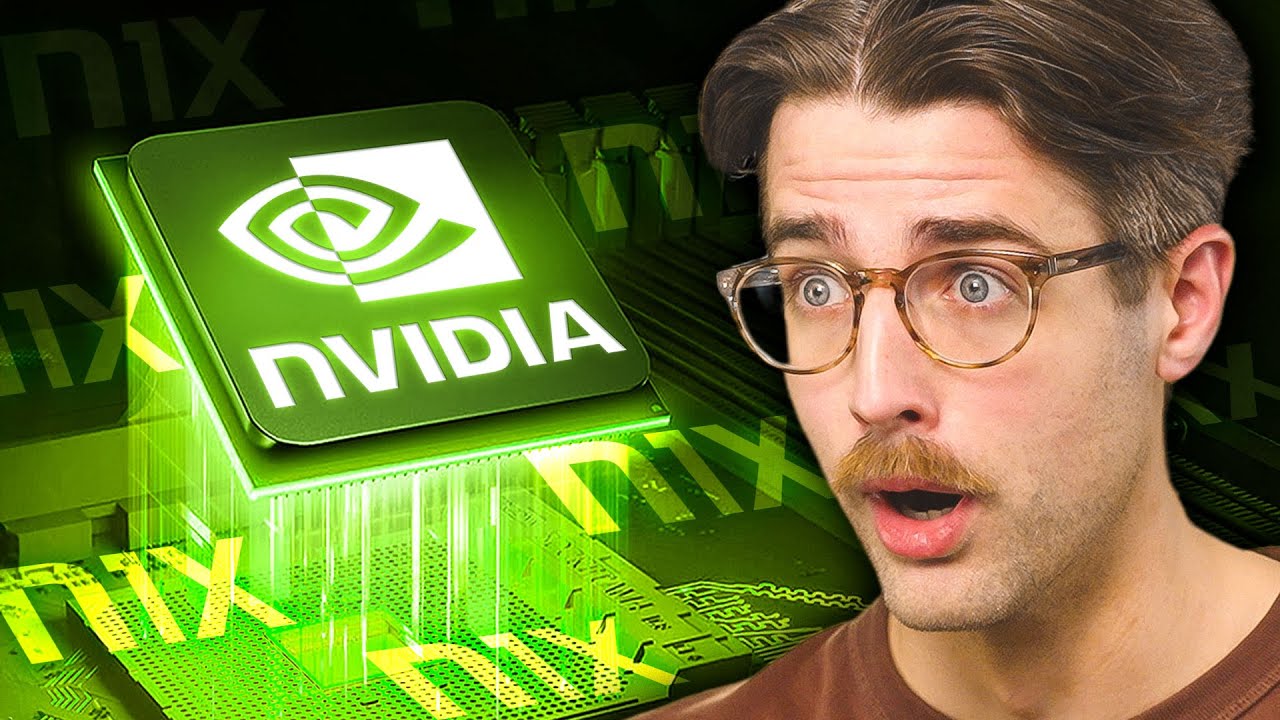
The video opens with a casual greeting as the host introduces a round of tech news and quickly dives into a potential breakthrough for Nvidia. A Geekbench entry reportedly shows an Nvidia N1X, an ARM-based laptop CPU with as many as 20 cores, suggesting that Nvidia may be shipping an Arm-based processor for laptops. The host notes that the N1X outperforms some current high-end processors in single-core performance while trailing in multi-core results, but emphasizes that this is early in development and that Nvidia will need to optimize drivers and software for Linux to maximize performance at launch. The discussion then shifts to Android 16 on Google Pixel devices, highlighting the open-source debates around GrapheneOS and the possibility that Google may move Android closer to a closed model. The host explains why this would matter for open-source ecosystems, including potential impacts on Pixel device repositories and projects like GrapheneOS, while also acknowledging that the core Android Open Source Project is unlikely to disappear even if some components become more controlled. The video continues with broader tech policy and AI industry news. News items include a collaboration between OpenAI and Google for cloud compute power, and high-profile copyright lawsuits involving AI-generated content from Disney and NBC Universal against Midjourney. The host then covers consumer tech moves, like Amazon’s new AI-assisted ad tools that allow rapid generation of video ads and the associated security concerns about new AI vectors, including zeroclick vulnerabilities. The segment also touches on Meta’s Vija 2, a new model aimed at improving AI decision making, and the rationale behind delaying certain high-profile product upgrades like Apple’s upgraded Siri until 2026. In closing, the host showcases Charge’s Pixel 100 GAN charger, praises the Nvidia-based hardware ecosystem while noting ongoing Switch 2 battery reliability concerns, and teases upcoming hardware innovations such as Easter-egg farming robots and Google Beam compatibility hardware. The tone remains light and informative, with a focus on how these developments may shape consumer tech, AI safety, and open-source projects in the near future.
Topics · technology · ai_and_machine_learning · hardware_news · industry_analysis
Questions answered
- What is the Nvidia N1x and how does it perform in benchmarks?
- The Nvidia N1x is an ARM-based laptop CPU reportedly spotted in Geekbench with about 20 cores. In single-core tests it performed well, beating some competing CPUs like the Ryzen AI Max Plus 395 and Core Ultra 9285HX, but it lagged in multi-core benchmarks. The analysis notes that Linux tends to perform better than Windows in Geekbench, and driver optimizations will be crucial before a final launch.
- Why is Android open source or closed source status a big deal for projects like GrapheneOS?
- Open source Android allows projects like GrapheneOS to legally adapt and independently maintain Android for privacy-focused devices. If Google moves toward more closed components or stops releasing device repositories, it could hinder such open-source forks, though the core AOSP would not vanish entirely. The debate centers on how much control Google should retain over Android while still supporting consumer choice.