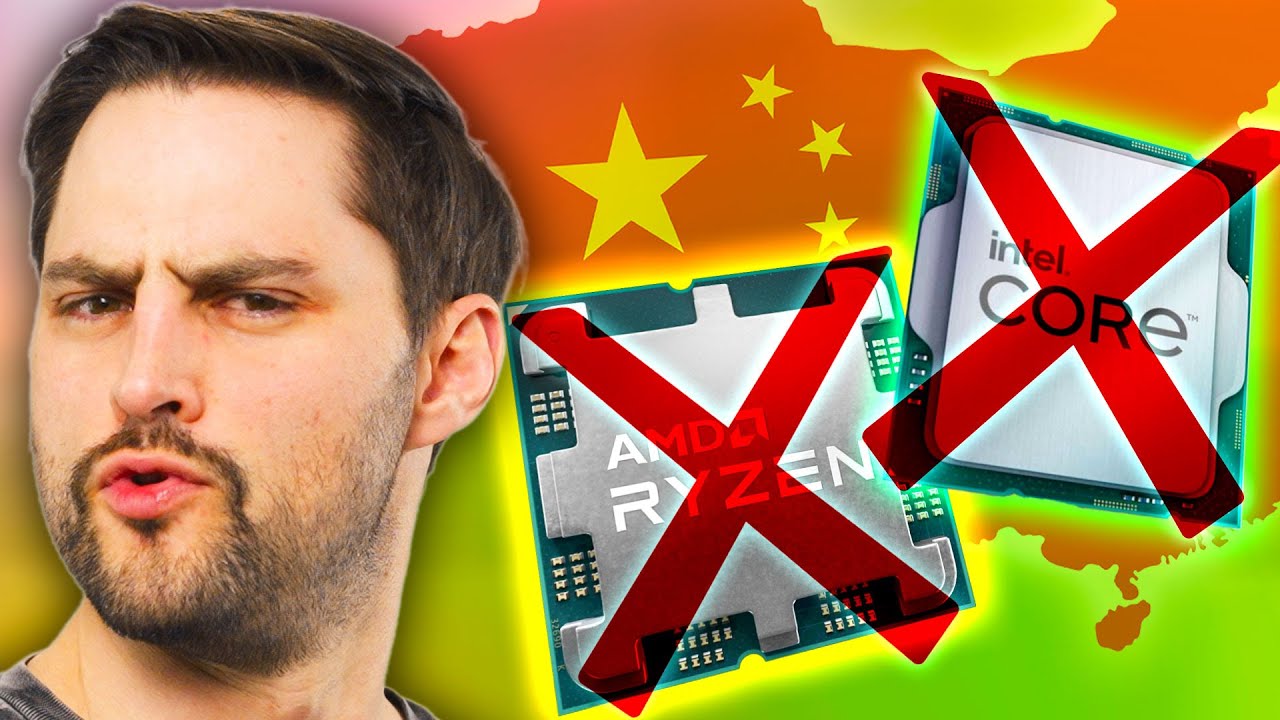
CANCELLED by China...
0 up · 0 down · 0 ratings
Promos
Step into Spring travel activities with Vessi! Visit vessi.com and get 15% off your first purchase at checkout ► GET MERCH: lttstore.com ► GET EXCLUSIVE CONTENT ON FLOATPLANE: lmg.gg ► LISTEN TO THE TECH NEWS: lmg.gg ► SPONSORS, AFFILIATES, AND PARTNERS: lmg.gg ► OUR PODCAST GEAR: lmg.gg NEWS SOURCES: lmg.gg --------------------------------------------------- Timestamps: 0:00 heartwarming 0:08 China bans Intel, AMD from govt PCs 1:15 EU investigates Big Tech compliance 2:31 OpenAI sells Hollywood on Sora 4:30 QUICK BITS INTRO 4:38 Tech Giants team up, fight Nvidia 5:08 Google Search Generative Experience rolls out 5:42 Google forced to turn over data to feds 6:18 Microsoft DirectSR, ray tracing patent 7:00 EVGA PSU fries hard drives FOLLOW US ELSEWHERE --------------------------------------------------- Twitter: twitter.com Instagram: @TechLinkedYT Facebook: @TechLinked TikTok: @techlinkedyt
In the opening segment, the video frames itself as a mix of light-hearted openness and sharp scrutiny of evolving tech policy, starting with the provocative note that China has banned Intel and AMD chips from government PCs and servers. The host explains that China released new computer guidelines late last year, highlighting a list of only 18 approved processors and noting that most of them do not use x86 architecture, instead favoring ARM or RISC-V options. The analysis then broadens to examine how this move aligns with China’s broader push toward homegrown software and operating systems, including an open-source desktop OS that echoes Windows in appearance, and how these choices interact with U.S. and European tech ecosystems. The narrative points out the coinciding EU scrutiny of Big Tech for Digital Markets Act non-compliance, naming Apple, Meta, and Google, while contrasting Microsoft’s relative absence in that particular crackdown. The host peppers in satirical commentary about corporate strategies and regulatory dynamics, weaving in examples such as Microsoft’s changes to Edge and Bing and OpenAI’s outreach to Hollywood with the Sora AI video generator, framing AI as a disruptive force across media and software industries. The segment closes by tying these threads to real-world implications for hardware vendors, software incumbents, and potential future standards, inviting viewers to consider how national strategies and global tech competition shape the tools people use daily. In the QUICK BITS portion, the host dives into related stories about Nvidia’s AI dominance being challenged by a consortium’s open-source CUDA alternative, OpenAI’s Sora demonstrations with filmmakers, and industry reactions to AI in creative work, while also noting a problematic incident with EVGA hardware that raised questions about component compatibility and company accountability. The wrap-up reinforces the idea that regulatory and market pressures are accelerating changes across hardware, software, and AI, urging viewers to stay tuned for ongoing developments and to expect more mosaic-like shifts in who controls access to computing power and content creation tools.
Topics · technology · geopolitics · business · artificial intelligence
Questions answered
- What is the main reason China is restricting certain CPUs in government PCs?
- China is restricting CPUs to favor homegrown or non-x86 architectures, aiming to reduce reliance on foreign suppliers and promote indigenous technology.
- What did the EU investigate in relation to Big Tech according to the video?
- The EU investigated non-compliance with the Digital Markets Act by several big tech companies, including Apple, Meta, and Google.