Personal Project Windows Home Server Showcase & Upgrade Plans Linus Tech Tips
0 up · 0 down · 0 ratings
Description
CA: ncix.com US: us.ncix.com It's no secret that I'm a HUGE fanboi of Windows Home Server, so I'm taking a few minutes to show off my storage server and to talk about some of the upgrade plans I have for it over the next little while here.
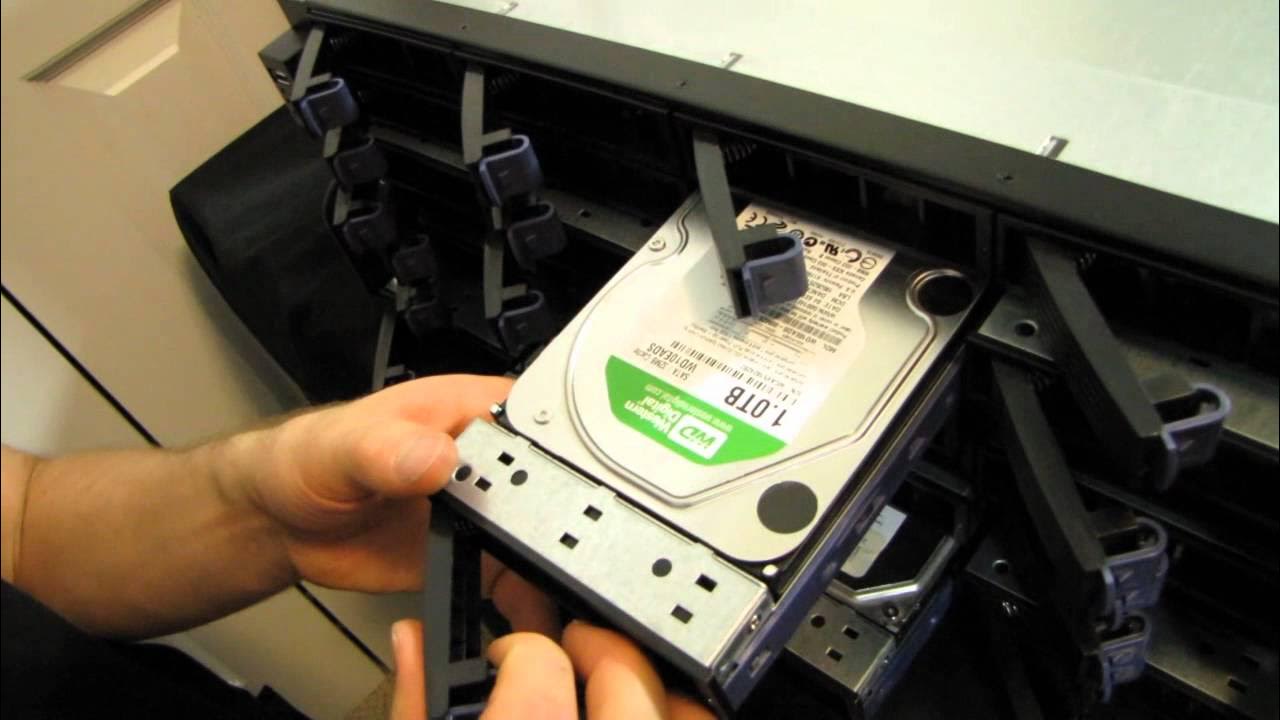
This video provides a detailed look at Linus Tech Tips host Linus Torvalds discussing his personal Windows Home Server project, the current hardware configuration, and the upgrade plan he intends to execute. He starts by describing the server as running Windows Home Server V1 and explains recent internal changes, including upgrading the motherboard from an LGA 775 to a Zeon-based board and replacing the processor with a low-power Xeon. Linus emphasizes the power supply strategy, moving from an 850W unit to a 150W model with dual rails to support up to 24 drives while preventing overload by staggering spin-up. He also touches on storage media choices, including the shift from a failing Corsair SSD to an Intel 510 Series SSD for reliability in a heavily used boot and OS role. The setup uses a Norco chassis and a 24-port RAID card (ORICA 1680) to prepare for a transition to a RAID 6 array in Windows Home Server 2, with the goal of better performance and real-time data distribution. He explains Windows Home Server V1’s drive pool architecture, which stores data across multiple drives and rebalances continuously, and contrasts it with planned RAID-based real-time distribution to improve throughput and reliability for editing video directly from the server.
Topics · technology · hardware · servers · networking
Questions answered
- What is the main upgrade goal for Linus's Windows Home Server in this video?
- The main upgrade goal is to move from Windows Home Server V1 with a drive pool to a proper RAID 6 array using Windows Home Server V2, a new boot drive, a quad-port NIC, and a more capable motherboard to improve performance and reliability for editing video on the server.
- What hardware changes does Linus discuss for supporting the upgrade?
- He mentions upgrading the motherboard to a Z77 board with multiple PCIe slots, adding a quad-port ethernet NIC, replacing the boot drive with an SSD, and using a high-end RAID card (Orico 1680) to enable RAID 6 across multiple drives.