How to Build a Karaoke Setup That Doesn't Suck!
0 up · 0 down · 0 ratings
Description
Embrace your daily life adventure with Vessi! Visit vessi.com for an automatic 15% off your first purchase at checkout!
Check out the Corsair 3500X at: lmg.gg Karaoke is fun. For some people. But I don't want to cram myself into a tiny room where everything is too loud. But sometimes, you gotta do what makes people happy. So we started on a search to find the best at home karaoke solutions, and we think we found some decent options. But the search wasn't easy. Discuss on the forum: linustechtips.com
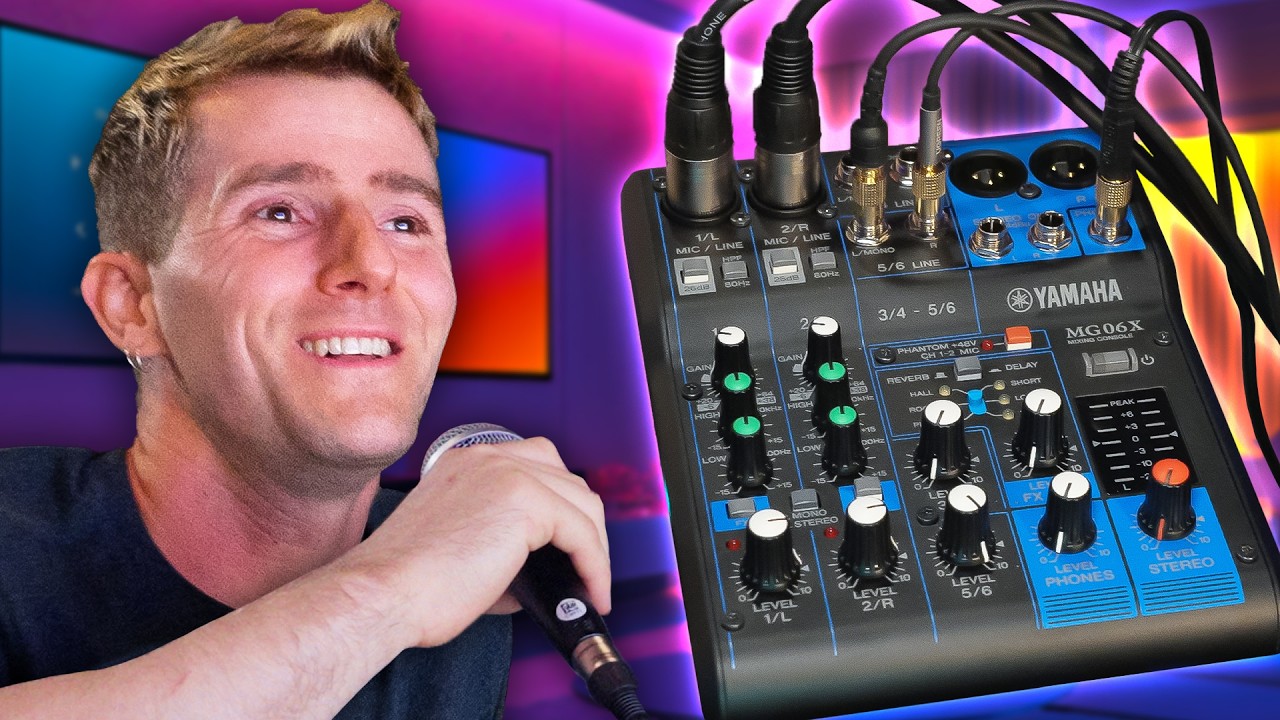
Check out the YAMAHA MG06X Stereo Mixer with Effects: geni.us
Promos
Check out the Behringer SL 84C Cardioid Microphone: geni.us ► GET OUR MERCH: lttstore.com ► GET EXCLUSIVE CONTENT ON FLOATPLANE: lmg.gg ► GET A VPN: piavpn.com ► SPONSORS, AFFILIATES, AND PARTNERS: lmg.gg Purchases made through some store links may provide some compensation to Linus Media Group. CHAPTERS --------------------------------------------------- 0:00 Intro 1:23 The Search Begins 2:20 DIY Setup 4:19 Getting Music 5:24 Trying it out 6:53 Ikarao Shell S1 10:00 Karafun 10:48 SoundTown SWM15-Pro 11:49 Conclusions 13:57 Outro
In How to Build a Karaoke Setup That Doesn’t Suck, the host embarks on a quest to assemble a functional, affordable at home karaoke system that can be enjoyed by kids and adults alike. The video starts with a candid introduction about the challenges of finding a setup that balances price, quality, and ease of use, while avoiding overly proprietary or fragile gear. The presenter outlines a wants list that emphasizes four inputs for group play, reliability, and repairability, and he sets out to compare three distinct paths: a DIY approach, an all-in-one package, and a mid-range option that bridges the gap between the two extremes. Along the way, sponsorship content and a sponsor product are woven into the narrative, but the core focus remains on evaluating gear, understanding how audio flows through the system, and identifying practical constraints for family use. The early segments also establish a lab-like testing mindset, with careful notes about mic quality, potential damage to home theater equipment, and the importance of avoiding excessive cabling while keeping the setup kid-friendly and portable. As the video progresses, the host drills into concrete hardware choices, starting with a Yamaha MG06X mixer chosen for its sturdy build and useful vocal effects. He discusses microphone options, including the Shure PG48 as a budget-friendly alternative to the classic SM58, and highlights trade-offs such as handling noise and durability. The discussion moves from traditional mixer-and-mic configurations toward two alternative pathways: an all-in-one system centered around the Ikarao Shell S1, and a mid-tier SoundTown SWM-15 Pro setup with HDMI pass-through for easier integration with existing AV gear. Across these sections, the host emphasizes user experience for kids, the importance of minimizing cables, the risk of peaking audio damaging gear, and the value of a system that is easy to move and reuse beyond karaoke sessions. In the closing portions, the host tests the three options with family participation, assesses app ecosystems like KaraFun, and weighs long-term considerations such as repairability, upgrade potential, and overall value, concluding that the Yamaha-based DIY path offers the best performance for home use, while the all-in-one or mid-range options present compelling convenience for different lifestyles and budgets.
Topics · technology · lifestyle · audio-production · consumer-electronics
Questions answered
- What is the recommended all-around solution for a home karaoke setup that balances cost and performance?
- The host recommends a DIY Yamaha-based mixer path as the best overall option for home use, offering strong sound quality, flexibility, and durability, while noting that an all-in-one or mid-range system can be appealing for ease of use or portability.
- Why should you avoid feeding the mixer’s output directly into a typical home audio system?
- Because microphone signals can have loud peaks that may damage home theater or AV gear, so using a PA or dedicated speaker path helps protect equipment and manage levels more reliably.
- What role does KaraFun play in the tested setups?
- KaraFun provides a large library of karaoke tracks with lyrics timing and adjustable vocal levels, serving as a convenient source of material that integrates with the tested systems for practical at-home karaoke sessions.