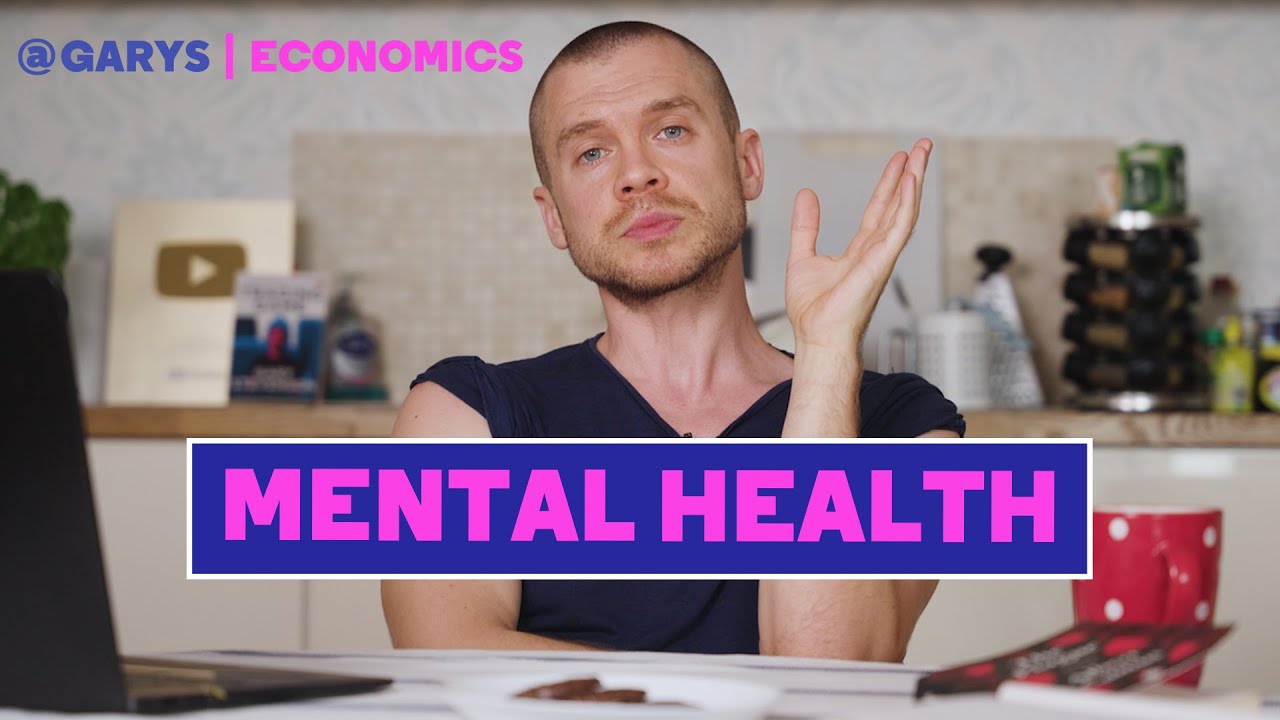
Is the economy causing a mental health crisis?
0 up · 0 down · 0 ratings
Promos
Worsening mental health outcomes are often spoken about as if they are the fault of the individual, but is insecure mental health a natural outcome of an insecure economy? And does the feedback work both ways - insecure economies cause people to be scared, easily manipulated, and individualistic, which prevents ordinary people from uniting and fighting back as a class? Also a little on my own historical struggles with the economy and mental health, both in the past and now. "In a mad world, only the mad are sane" ~ Akira Kurosawa Take care of yourselves and each other xx –––––– 00:00 Introduction 03:31 How mental health is affected by the economy 04:55 My argument in less than 1 minute 06:15 Mental health is a symptom of something bigger 09:50 Why deteriorating mental health makes political action so hard 16:00 More and more people know collapse is coming 20:13 Hard work no longer pays 22:24 Personal struggles 25:09 What can we do? 30:17 Why it's so urgent ––––––– JOIN OUR MAILING LIST – mailchi.mp GET THE TRADING GAME – penguin.co.uk SUPPORT US ON PATREON – patreon.com SPOTIFY – open.spotify.com INSTAGRAM – @garyseconomics TIKTOK – @garyseconomics BLUESKY – bsky.app X – twitter.com FACEBOOK – @garyseconomics DISCORD – discord.gg WEBSITE – garyseconomics.org
Is the economy causing a mental health crisis? Gary explores the deep connection between deteriorating mental health and an insecure, unequal economy. He argues that the mental health crisis is not simply an individual issue but a societal and structural one rooted in rising inequality and insecurity. The video weaves personal experience with economic analysis, showing how economic precarity translates into stress, fear, and a sense of powerlessness that hinders collective action. He discusses his own growth from a high-earning trader to an advocate for wealth taxes, framing his journey as evidence that economic collapse risks the mental health of ordinary people. A major thread is the idea that institutions and policy makers have failed to address structural inequality, forcing individuals to bear the burden of a collapsing system. The messages emphasize the need for solidarity, shared responsibility, and practical pathways to reduce inequality without burning out workers or activists. Throughout, the speaker uses literary references, including Camus and Kurosawa, to illustrate how societies respond to collapse and how mental health can either fortify or fracture collective action. The overall aim is to reframe mental health as a symptom of economic structure and to propose steps for resilience that rely on unity rather than isolated effort.
Topics · economy · mental health · inequality · political reform · social justice
Questions answered
- What is the core claim about the relationship between mental health and the economy?
- The video argues that mental health problems are largely a symptom of structural economic insecurity and growing inequality, not just individual issues.
- Why does the speaker reference Camus and Kurosawa?
- He uses their work to illustrate how people react to societal collapse and to frame mental health as a response to an collapsing environment.
- What solution does the speaker advocate?
- A combination of wealth taxes, collective action, and building institutions and spaces that enable ordinary people to organize and push back against inequality.
- What personal experiences does the speaker share?
- He describes his own career as a trader who profited from predicting collapse, his later mental health struggles, and the decision to quit his job to focus on fixing the economy.