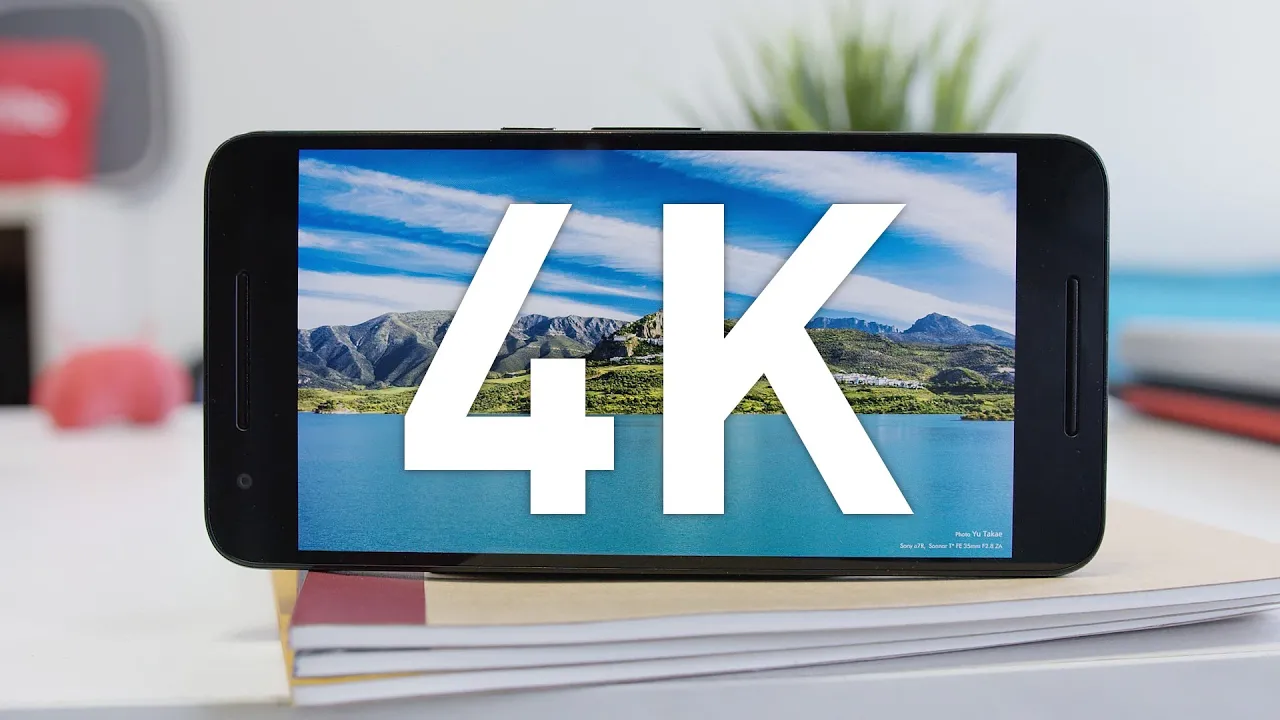
The State of 4K: Early 2016!
0 up · 0 down · 0 ratings
Channels and socials
4K TVs, Smartphones and Cameras in early 2016! The State of 4K in 2015: youtu.be The State of 4K in 2014: youtu.be Sony Xperia Z5 Premium (4K Smartphone): youtu.be Video Gear I use: amzn.com ~ twitter.com google.com @MarquesBrownlee @MKBHD @MKBHD
In the opening segment, the video sets the stage by presenting viewer-display resolution data from YouTube analytics, highlighting that only a small fraction of the audience can actually watch in 4K. The host notes that 1080p remains the dominant format at roughly a quarter of viewers, with a long tail of other common resolutions. He then pivots to the core premise of the state of 4K in early 2016, arguing that recording, displaying, and streaming 4K content have all progressed significantly. The discussion emphasizes the explosion of 4K-capable cameras across the market, from high-end cinema gear to mainstream smartphones, with the Sony Xperia Z5 Premium singled out as a rare 4K smartphone example. The host also surveys 4K adoption across displays, noting 4K panels are now common in TVs and increasingly available on laptops and desktops, though price and size continue to influence uptake. The central bottleneck identified is streaming 4K, where getting 4K video to a variety of devices remains a work in progress, while watching or delivering 4K content on some platforms remains more tolerant of bandwidth than live 4K broadcasts. He concludes that although only a tiny percentage can currently view 4K, the trajectory is strong for the three pillars,recording, displaying, and streaming,and recommends upgrading when possible for benefits in design, gaming, and general visual fidelity.
Topics · technology · video-technology · television · consumer-electronics · digital-media
Questions answered
- What are the three pillars shaping the state of 4K in early 2016?
- Recording 4K has become easier with widespread 4K-capable cameras, displaying 4K is increasingly common across TVs and laptops, and streaming 4K remains the main bottleneck for broad viewing.
- Why is streaming 4K still challenging despite many devices supporting 4K?
- Because delivering 4K video to various platforms and network conditions efficiently is complex, and live 4K broadcasts require more substantial infrastructure upgrades than on-demand 4K content.