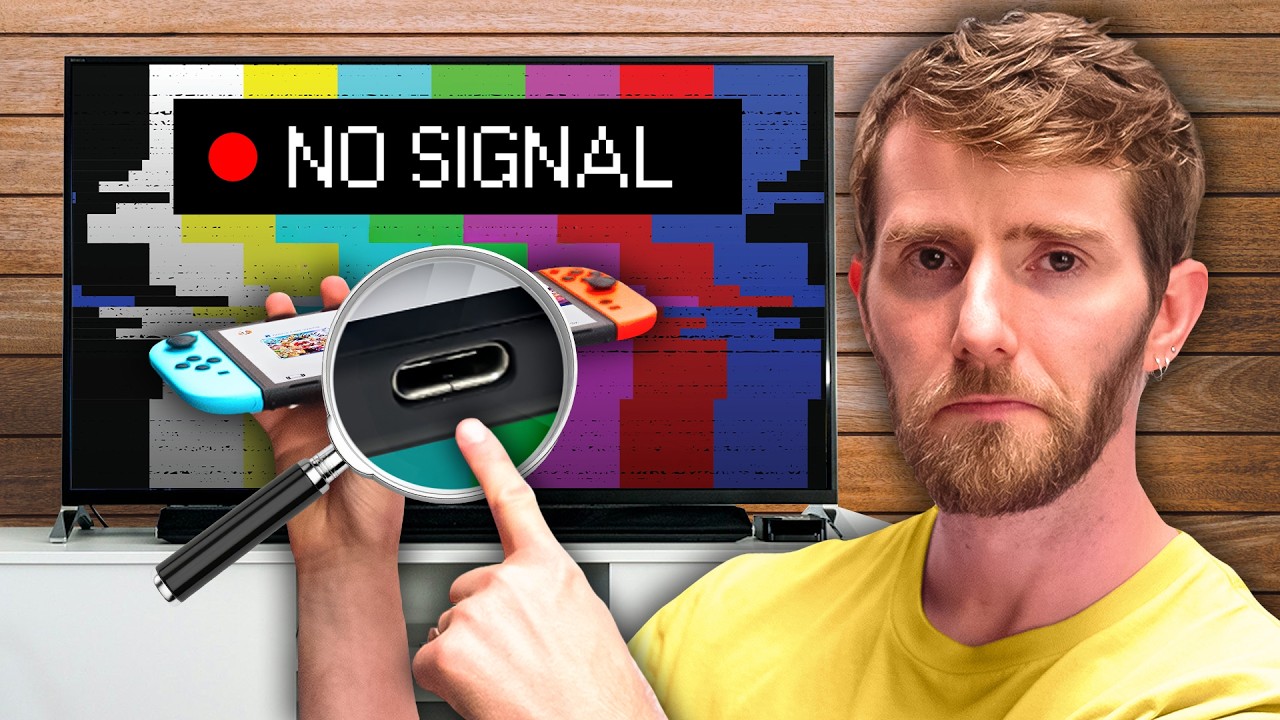
Nintendo's Greed could Change the Tech Industry
0 up · 0 down · 0 ratings
Description
Step confidently into daily life with the ultra-light Vessi Sneakers. Vessi claims they are fully waterproof, and they come with a 1-year warranty with 30-days of worry-free returns. Get 15% off your first pair at vessi.com at checkout! Enhance your setup with the XENEON EDGE at: corsair.com NINTENDO HAS DONE IT AGAIN! The Switch 2's proprietary USB-C dock issue - the most recent example of Nintendo's anti-consumer practices and "greedy" behavior. We demonstrate the proprietary handshake protocol using a USB PD sniffer, explaining why third-party USB-C accessories and docks fail. The video explores the impact on consumer choice, innovation, and the tech industry, comparing it to the evolution of universal mobile phone chargers. We discuss the "slippery slope" of proprietary lock-ins, Nintendo's refusal to allow local save file backups, and the exorbitant cost of official docks. Link to the Labs Article going more in depth about this issue: lttlabs.com Discuss on the forum: linustechtips.com Buy an Antank Switch 2 Dock: geni.us
Promos
Check out the Nintento Switch 2 Dock: lmg.gg ► GET OUR MERCH: lttstore.com ► GET EXCLUSIVE CONTENT ON FLOATPLANE: lmg.gg ► GET A VPN: piavpn.com ► SPONSORS, AFFILIATES, AND PARTNERS: lmg.gg Purchases made through some store links may provide some compensation to Linus Media Group. Affiliate links powered in part by affilimate.com Linus Sebastian is an investor in Framework Computer, Inc CHAPTERS --------------------------------------------------- 0:00 What is the issue? 2:15 The WONDERS OF USB 3:41 Testing the USB Communications 7:46 What does this mean? 11:11 Even Apple is better than this 13:17 What can you do?
Nintendo's Greed could Change the Tech Industry examines a concrete example of how a major console maker, Nintendo, has chosen a proprietary approach to USB-C docking with the Switch 2. The video argues that this move goes beyond a simple product quirk and could influence the broader tech ecosystem by emboldening other companies to use lock-in tactics. Early on, the host frames the Switch 2 dock as a completely non universal accessory, contrasting it with the broader industry push toward universal standards and interoperability. The host then introduces a USB PD protocol analyzer to reveal what happens at the handshake between the Switch 2 dock and a USB-C peripheral, highlighting vendor defined messages and a complex negotiation process. The narrative suggests that Nintendo designed the system so that only their own accessories work reliably, which, if true, could be a strategic move to boost peripheral sales and restrict third-party compatibility. Throughout, the video ties this behavior to broader themes of consumer choice, innovation, and potential regulatory parallels, particularly in relation to universal chargers and standardization efforts. The presenter also critiques the long-term implications for e-waste and the price of official Nintendo docks, while comparing Nintendo's approach to other tech giants like Apple. The analysis culminates in practical takeaways for viewers, including sticking with non Nintendo accessories or waiting for next generation solutions to avoid being locked into a proprietary ecosystem. Overall, the video positions Nintendo's dock strategy as a potential lever shaping industry norms, with real consequences for both consumers and third-party developers.
Topics · technology · consumer_electronics · gaming · business_economics
Questions answered
- What is the core issue with Nintendo's Switch 2 dock according to the video?
- The video argues that Nintendo uses a proprietary handshake and restricted compatibility in the Switch 2 dock, making many third-party docks and cables unreliable or unusable with the Switch 2, which could limit consumer choice and potentially influence industry practices.
- How does USB-C and USB Power Delivery normally work in this context?
- USB-C with USB PD negotiates power and data capabilities between devices; the video explains the standard handshake and how vendor defined messages are used to establish power delivery and display output, highlighting how Nintendo's implementation may disrupt normal interoperability.
- What are the broader implications discussed?
- The broader implications include potential shifts in industry practices toward lock-in tactics, increased accessory costs for consumers, possible regulatory parallels with universal charging standards, and environmental concerns from increased e-waste.
- What can consumers do according to the video?
- Consumers are advised to avoid buying Nintendo accessories, wait for alternative solutions, or consider third-party docks and adapters that can work with the Switch 2, thereby supporting a more open ecosystem.