Delidding an Intel Core i7 6700K - Is it worth it!?
0 up · 0 down · 0 ratings
Channels and socials
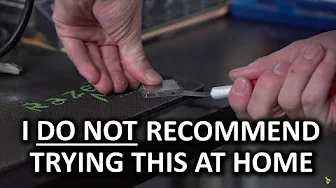
Does replacing the TIM under your IHS make a big difference to CPU temps? DISCLAIMER: This DEFINITELY voids your warranty. We do not recommend trying this at home. Tesoro giveaway: linustechtips.com TunnelBear message: TunnelBear is the easy-to-use VPN app for mobile and desktop. Visit tunnelbear.com to try it free and save 10% when you sign up for unlimited TunnelBear data. Pricing & discussion: linustechtips.com Support us: linustechtips.com Join our community forum: bit.ly twitter.com @LinusTech Intro Screen Music Credit: Title: Laszlo - Supernova Video Link: youtube.com iTunes Download Link: itunes.apple.com Artist Link: soundcloud.com Outro Screen Music Credit: Approaching Nirvana - Sugar High youtube.com Sound effects provided by freesfx.co.uk
Delidding an Intel Core i7 6700K is a DIY hardware experiment that Linus Tech Tips undertakes to test whether removing the integrated heat spreader and swapping the thermal interface material (TIM) can meaningfully improve cooling. The video starts by acknowledging the risks: delidding can damage the CPU and void the warranty, but the host proceeds to demonstrate the complete process on a 6700K using a stock test bench. He explains the historical reasons for the IHS, noting that recent CPUs have sometimes used suboptimal TIM that can hinder cooling, and that some enthusiasts even reattach the IHS with better TIM to squeeze out a few degrees. The baseline is established by mounting the CPU with the stock TIM and monitoring temperatures during a stress test, which reveals a conservative around 70 C under load. The project then moves into physically removing the IHS, describing careful steps to avoid injury or damage and discussing surface considerations of the die. After removing the IHS, the TIM is cleaned and replaced with aftermarket paste, while opting for a floating, non adhesive reassembly method to avoid permanently sealing the die to the IHS. The host runs a stress test again to compare results, finding a best-case reduction to around the mid 60s Celsius range. He concludes that while delidding can yield a few degrees of improvement, the gains are not typically substantial enough to justify the risk, effort, and warranty voiding, especially for users on air or standard cooling. The video wraps with a shout out to a giveaway and a reminder that the practice is mainly of interest to enthusiasts chasing marginal gains or academic curiosity rather than practical benefits for everyday computing. The overall takeaway is nuanced: delidding demonstrated a modest temperature reduction in this specific Haswell-derivative design, but the risk and limited benefit mean Linus does not advocate for routine delidding. The host emphasizes that for most users, sticking with the factory IHS and improving general cooling or applying higher quality TIM may yield more reliable performance, with a smaller chance of damage. Viewers are left with a clearer understanding of why some enthusiasts pursue delidding while many professionals prefer not to due to potential downsides and minimal real-world impact on lifespan or overclocking headroom.
Topics · Technology · Hardware · DIY · Performance Testing
Questions answered
- What does the delidding process involve on a modern Intel CPU like the 6700K?
- Delidding involves removing the integrated heat spreader from the CPU package, cleaning off the existing thermal compound, and replacing it with a higher quality TIM, often using a floating method that does not permanently glue the IHS back in place.
- Does delidding significantly improve cooling or overclocking headroom for typical users?
- According to the video, delidding can yield a few degrees of cooling improvement, but the gains are generally not substantial enough to justify the risk or warranty voiding for most users, especially with standard air or water cooling.
- What are the main risks of delidding a CPU like the 6700K?
- The main risks are damaging the CPU itself and voiding the warranty, since the process involves physically removing a metal cap and handling the delicate die and bonding materials.