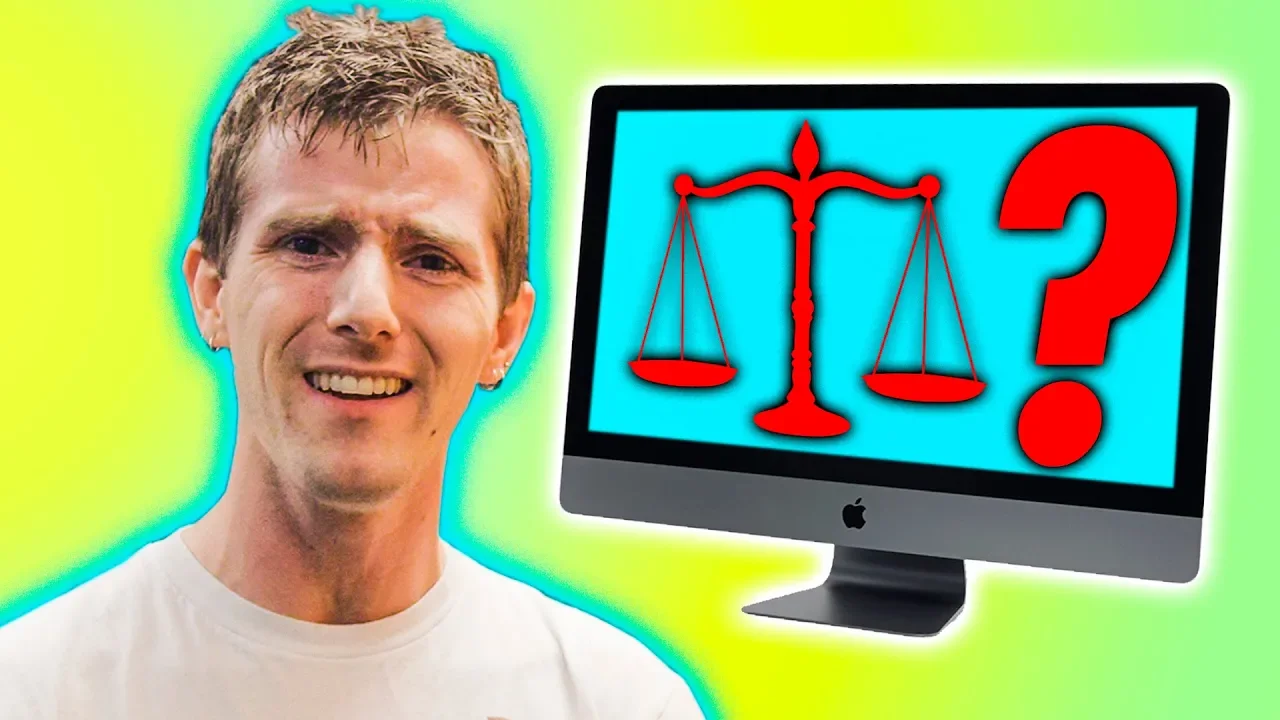
Is Apple's behavior ILLEGAL?? - iMac Pro Repair Pt. 2
0 up · 0 down · 0 ratings
Promos
Sign up for Private Internet Access VPN at privateinternetaccess.com Get iFixit's Pro Tech Toolkit now for only $59.95 USD at ifixit.com Buy Workstation PCs On Amazon (PAID LINK): geni.us On Best Buy (PAID LINK): shop-links.co Discuss on the forum: linustechtips.com Our Affiliates, Referral Programs, and Sponsors: linustechtips.com Linus Tech Tips merchandise at designbyhumans.com Linus Tech Tips posters at crowdmade.com Our Test Benches on Amazon: amazon.com Our production gear: geni.us Get LTX 2018 tickets at ltxexpo.com Twitter - twitter.com Facebook - @LinusTech Instagram - @linustech Twitch - twitch.tv Intro Screen Music Credit: Title: Laszlo - Supernova Video Link: youtube.com iTunes Download Link: itunes.apple.com Artist Link: soundcloud.com Outro Screen Music Credit: Approaching Nirvana - Sugar High youtube.com Sound effects provided by freesfx.co.uk
Is Apple’s repair approach for the iMac Pro inherently unfair or even illegal? The video opens by reframing the debate around Apple’s repair policies and the right to repair, arguing that a stringent controls framework limits consumer options and can force customers toward expensive replacements. The host stresses that this is not just about warranty service but about providing a reasonable repair path when a high-end workstation fails, such as a damaged display or a fried motherboard. He compares Apple’s approach to other consumer electronics repair ecosystems and questions whether Apple’s policy creates undue barriers for independent repair shops and customers alike. A key point is the discrepancy between claimed policies and the real-world availability of official repair certification for local authorized service providers, which can delay or block repairs. The discussion pivots to a detailed examination of parts pricing, labor, and the idea that a repair should not be treated as a surefire path to a total replacement of the device. Ultimately the video argues for a more transparent, accessible repair process that prioritizes reuse and ownership rights, rather than presenting repair as a luxury or risk-laden path only reachable through certain channels. The host closes by highlighting improvements in parts availability and certification since the first video in the series, while acknowledging ongoing tensions around parts return pricing, warranty implications, and the broader policy environment. The tone remains investigative and critical, emphasizing consumer empowerment and the potential for reform through right-to-repair advocacy.
Topics · technology · consumer_rights · electronics_repair · apple_inc · legality
Questions answered
- Why does the video challenge Apple’s repair policy rather than simply stating it as a fact?
- The video argues that Apple’s policy restricts affordable repairs, drives up replacement costs, and limits parts access through authorized service providers, which harms consumers beyond standard warranty expectations.
- What was initially unclear about Apple’s repair certifications for the iMac Pro, according to the video?
- The video reports that certification was available to some authorized service providers but not to the local shop featured, leading to delays and questions about rollout and consistency.
- How does the video illustrate the cost comparison between repairing and replacing an iMac Pro?
- The host aggregates pricing for a logic board, display, and other components, suggesting that total repair costs could reach several thousand dollars, sometimes making a new unit financially competitive or cheaper.