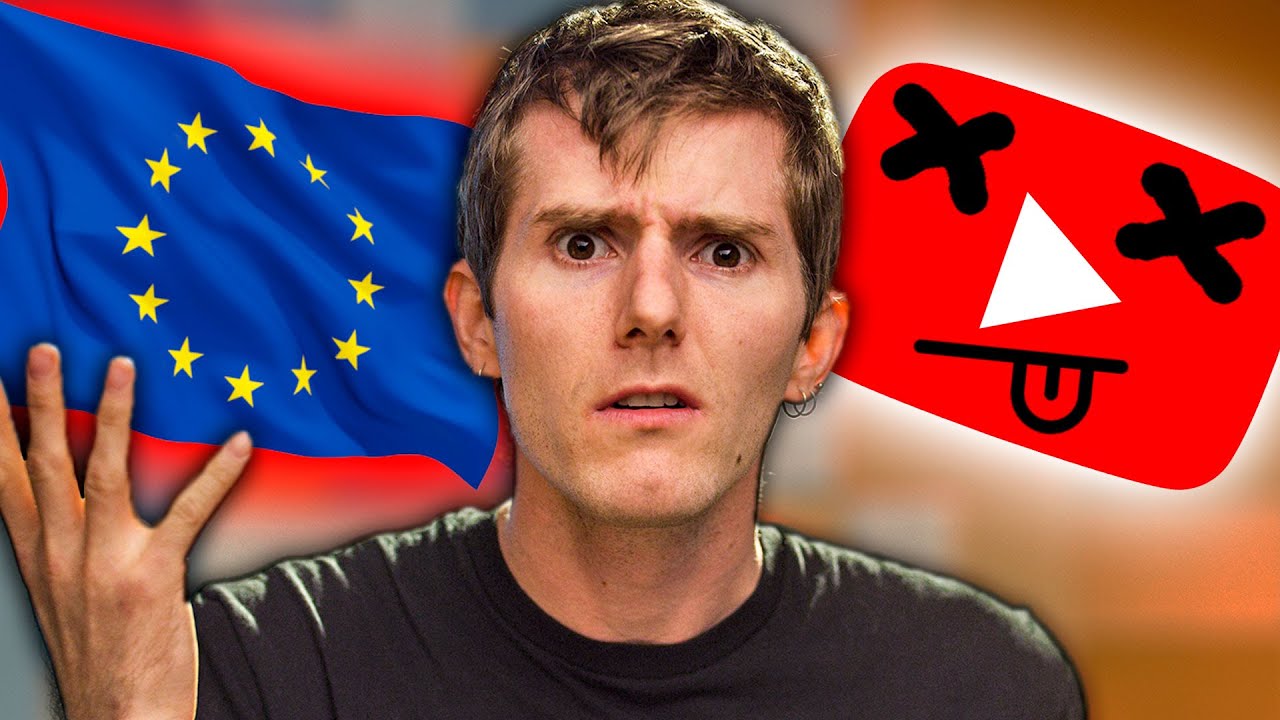
The EU is KILLING YouTube!?
0 up · 0 down · 0 ratings
Channels and socials
Get your UPDESK standing desk today at lmg.gg Twitter: twitter.com Instagram: @TechLinkedYT Facebook: @TechLinked NEWS SOURCES: WHAT’S PRIVACY GOT TO DO WITH IT? linustechtips.com theverge.com boingboing.net cnbc.com GOOGLE: BECOME THINE ENEMY arstechnica.com Google Pixel 3 issues bgr.com camera photo saving issues? engadget.com BURN THE NOTCH! Samsung Notch-free phone is really coming sammobile.com Honor Magic 2 slider youtube.com cdn.vox-cdn.com Xiaomi Mix 3 twitter.com QUICK BITS TO THE LIFEBOATS! techcrunch.com More headsets coming tho twitter.com Other founders left latimes.com NEVER LOSE FOCUS Focals by Norththeverge.com youtube.com bynorth.com REMEMBER WEAR OS? theverge.com THE ALL-NEW BUZZWORD PHONE cnbc.com THE NEW APPSUNG SLOWPHONE 1S bbc.com
In the opening segment the host introduces a major privacy and copyright debate unfolding in the European Union, focusing on article 13 of the EU copyright directive. The host explains that the proposed rule would require online platforms like YouTube to automatically block content that may be copyrighted, making the platforms liable for any infringements rather than the users. This shift in liability is presented as a potential threat to independent creators, who could be blocked or demonetized due to the risk of legal damages. The discussion outlines how content ID and proactive copyright systems exist already, but the directive could force platforms to become more restrictive, effectively privileging large rights holders over individual creators. The host emphasizes the potential negative outcomes for creators and consumers alike, urging viewers to hope or take action to influence the January vote. The segment frames the issue as a money and power struggle, suggesting that the economics of content on the platform could dramatically change if the proposal passes. The takeaway is a warning that the directive could reshape who can upload content to YouTube and under what terms, prompting a call for awareness and political engagement before the vote. In the mid to later portion of the video, the host shifts to a broader tech round-up, noting other industry developments such as Google’s Pixel 3 charging quirks, under display and notch discussions, and various wearable and mobile-device headlines. The discussion touches on how Google’s proprietary wireless charging in the Pixel stand affects real-world charging speeds, and mentions ongoing quality issues with Pixel 3 devices including a bug with photo saving and an unusual display notch. The host lightly treats several other tech stories, from Samsung’s under-display ambitions to the fate of Oculus and the shifting landscape of wearables, providing brief context and personal commentary. Throughout, there is a blend of skepticism and humor about the challenges and contradictions in hardware design, brand ecosystems, and platform policies. The segment closes with a reminder that the day’s tech news is fast-moving and controversial, but promises that more updates will follow in future episodes. The overall message is that policy, hardware design, and corporate strategy are converging to shape how technology is experienced and monetized online, making awareness and adaptability essential for viewers.
Topics · technology · policy · digital-media · current-events
Questions answered
- What is Article 13 and why is it controversial for YouTube creators?
- Article 13 would require platforms to automatically block potentially copyrighted content and hold the platform liable for infringements, which could reduce the ability of independent creators to upload content.
- What potential impacts could the EU directive have on independent creators and viewers?
- The directive could limit uploads from independent creators, increase moderation to avoid liability, and potentially reduce the variety of content available to viewers.