Are Review Sample CPUs Cherry-Picked? $H!T Viewers Say 1
0 up · 0 down · 0 ratings
Promos
Engineering samples sent to reviewers perform better than what hits retail shelves, right? Today, we're going to find out... See the uncut footage for yourself: youtube.com Receive an additional $25 credit for Ting today when you sign up at linus.ting.com Buy ZOTAC's MEK1 on Newegg: geni.us Buy ZOTAC's MEK1 at their store: geni.us Buy a Core i5 8400: On Amazon: geni.us On Newegg: geni.us Buy a Ryzen 5 1600X: On Amazon: geni.us On Newegg: geni.us Discuss on the forum: linustechtips.com Our Affiliates, Referral Programs, and Sponsors: linustechtips.com Linus Tech Tips merchandise at designbyhumans.com Linus Tech Tips posters at crowdmade.com Our production gear: geni.us Twitter - twitter.com Facebook - @LinusTech Instagram - @linustech Twitch - twitch.tv Intro Screen Music Credit: Title: Laszlo - Supernova Video Link: youtube.com iTunes Download Link: itunes.apple.com Artist Link: soundcloud.com Outro Screen Music Credit: Approaching Nirvana - Sugar High youtube.com Sound effects provided by freesfx.co.uk
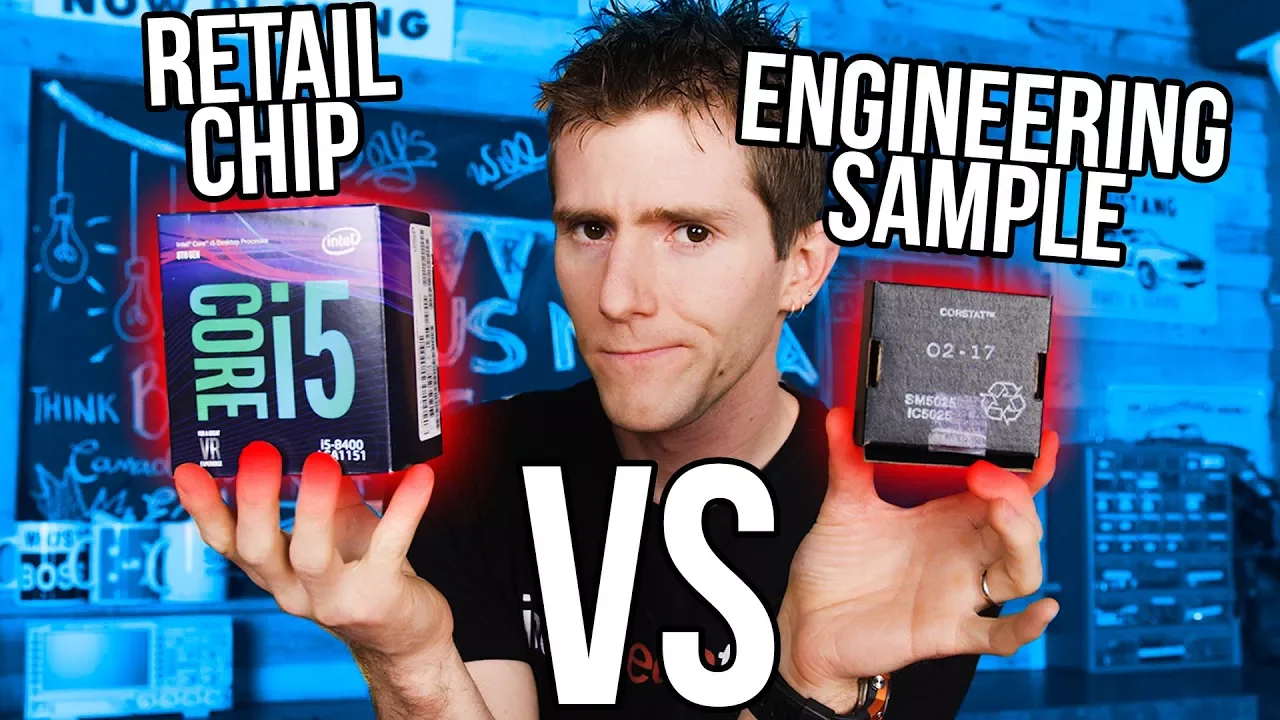
The video tackles a long-standing claim that review samples of CPUs are cherry-picked to show inflated performance, and it sets out to test this hypothesis with a controlled approach. Linus and the team select both an Intel Core i5 8400 and a Ryzen 5 1600X as their sample CPUs and compare them directly against retail chips from the same models, bought at local retailers. They explicitly document the process by planning to upload the uncut footage of purchasing and testing the CPUs, aiming to provide transparency and counter any claims of selective sampling. The discussion covers the economics and engineering behind seed programs, arguing that significantly inflated performance in early reviews would create negative PR and unsustainable business outcomes. They acknowledge that while marketing incentives exist, the consequences of releasing a cherry-picked product could undermine trust and long-term demand. The segment then shifts to the question of whether engineering samples are simply “golden samples” or just the tail end of production, exploring how yields, voltage requirements, and heat output could affect clock speeds and performance. The hosts emphasize that, based on their tests, there is little to no meaningful gaming variance between samples and retail units, while synthetic benchmarks may show slight differences, suggesting that context and workload matter for evaluating performance. In closing, they conclude that the cherry-picked hypothesis does not hold up under their rigorous testing, and that the evidence points to similar performance between sample and retail CPUs overall, while also stressing that the discussion of bias will likely continue in the broader community. They also insert a brief sponsor message about Ting, noting a customer-focused service model and cost-saving incentives, before inviting viewers to engage with the video description and community channels for further discussion and additional content.
Topics · technology · hardware · cpu testing · consumer electronics
Questions answered
- What CPUs were tested in the video and what was the goal of testing them?
- The video tested an Intel Core i5 8400 and a Ryzen 5 1600X, comparing them to retail chips to determine whether review samples are cherry-picked and to assess if there is meaningful performance variance between sample and retail units.
- What is the main conclusion about the cherry-picked theory after the tests?
- The hosts conclude that the cherry-picked theory is not supported by their results, finding little to no gaming variance between sample and retail CPUs and only minor differences in synthetic benchmarks, suggesting the theory does not hold up under scrutiny.