Galaxy NVIDIA GeForce GTX 680 Overclocking Guide & 7970 Performance Review Linus Tech Tips
0 up · 0 down · 0 ratings
Description
CA: ncix.com US: us.ncix.com At stock speeds, the GTX 680 crushes the HD 7970 in my testing, but once both cards are overclocked to their limits (using stock voltage) the gap narrows significantly!
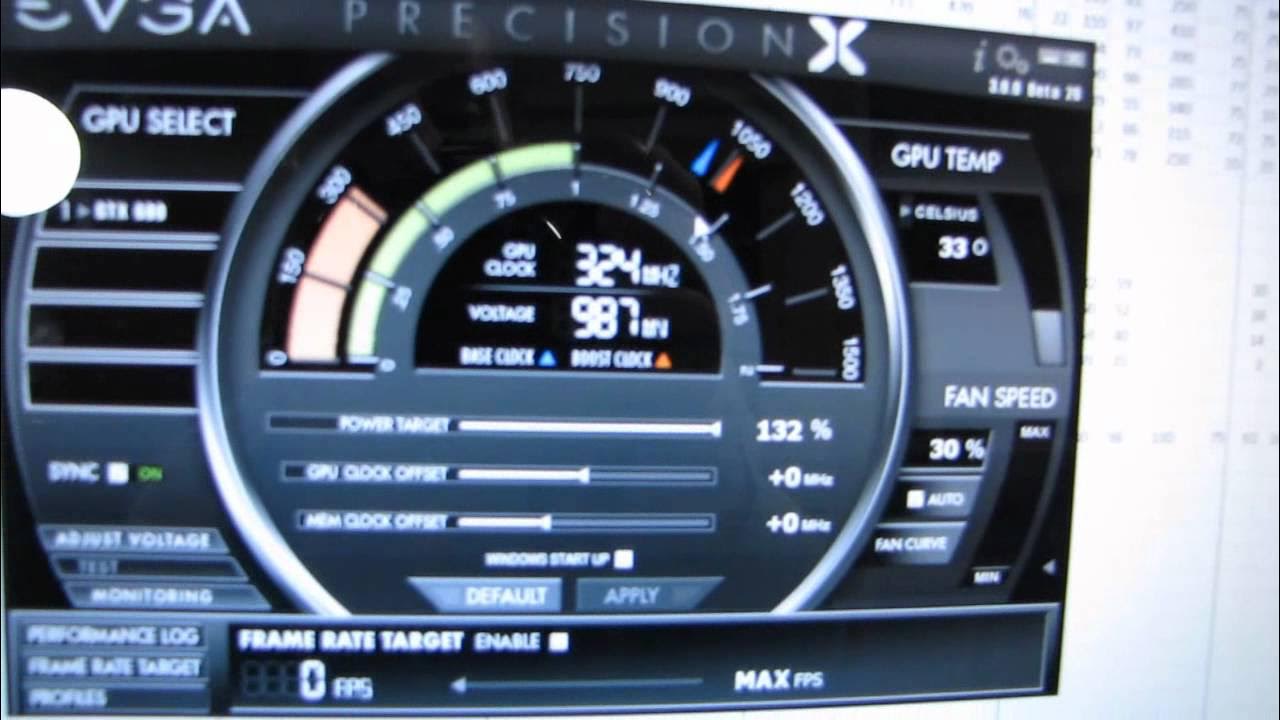
The video presents a hands-on overclocking guide for the GTX 680 using a retail board, with direct comparisons to the AMD HD 7970. Linus begins by outlining his plan to test stock performance for both cards, then proceeds to describe the overclocking setup, tools, and initial baseline measurements. He emphasizes practical caveats about voltages and cooling, warning that pushing voltages on a new GPU can be risky and expensive if cooling fails. The host then walks through the Precision X interface, explaining GPU Boost, base clock versus boost clock, and how power and thermal targets influence overclocking outcomes. As the testing progresses, he reports intermediate results, noting how power target and clock offsets interact with actual performance, and he captures both observed gains and the limits of scaling with this early software release. In the conclusion, Linus summarizes that even with aggressive overclocking on both cards, the GTX 680 remains the faster card in most tested scenarios, while also acknowledging there is room for refinement in the software and methodology for future iterations. He closes with reflections on stability, takes note of varying benchmark scores, and teases a potential follow-up to refine the overclocking process and results, inviting viewers to subscribe for further updates and testing. The video blends testing methodology with practical guidance for enthusiasts, including cautions about voltage adjustments, the value of fan curves, and the importance of monitoring temperatures and power usage. Across the 12-minute-plus run, Linus uses real-time benchmarks and notes the influence of dynamic GPU Boost behavior on observed gains, highlighting that higher clock targets do not always translate linearly into performance. He also compares power consumption between stock and overclocked configurations, showing idle and load differences, and discusses how game workloads like Battlefield 3, Skyrim, and Witcher 2 respond to overclocked GPUs. The narrative cycles between explanation, empirical testing, and interpretation of results, culminating in a cautious but optimistic assessment of the GTX 680’s overclocking potential and its competitive stance against the 7970. The video invites continued experimentation and emphasizes the tentative nature of early software tools, while providing a practical reference for enthusiasts interested in retail hardware overclocking results.
Topics · computer hardware · gpu_performance · overclocking · tech_reviews · graphics_cards · benchmarking · power_and_thermals
Questions answered
- What software tool is used in the video to adjust GPU settings for overclocking the GTX 680?
- The video uses EVGA Precision (Precision X) to adjust GPU settings and monitor temperatures and clock speeds.
- Why does the reviewer emphasize caution when increasing voltages on the GTX 680?
- Because increasing voltages on a new graphics card can lead to overheating or component damage, and there are no guarantees it won’t fail, making cooling and careful testing essential.
- What is a key takeaway about overclocking the GTX 680 versus the 7970 in this video?
- Even with overclocking, the GTX 680 generally remains the faster card in the tested scenarios, though the performance gap narrows as both cards are pushed with stock voltages and modest boosts.