How Does CAPTCHA Work?
0 up · 0 down · 0 ratings
Promos
How do CAPTCHA puzzles and that "I'm not a robot" box work, and are there ways for spammers to get around them? TunnelBear message: TunnelBear is the easy-to-use VPN app for mobile and desktop. Visit tunnelbear.com to try it free and save 10% when you sign up for unlimited TunnelBear data. Techquickie Merch Store: designbyhumans.com Techquickie Movie Poster: shop.crowdmade.com Leave a comment with your requests for future episodes, or tweet them here: twitter.com Follow: twitter.com Join the community: linustechtips.com
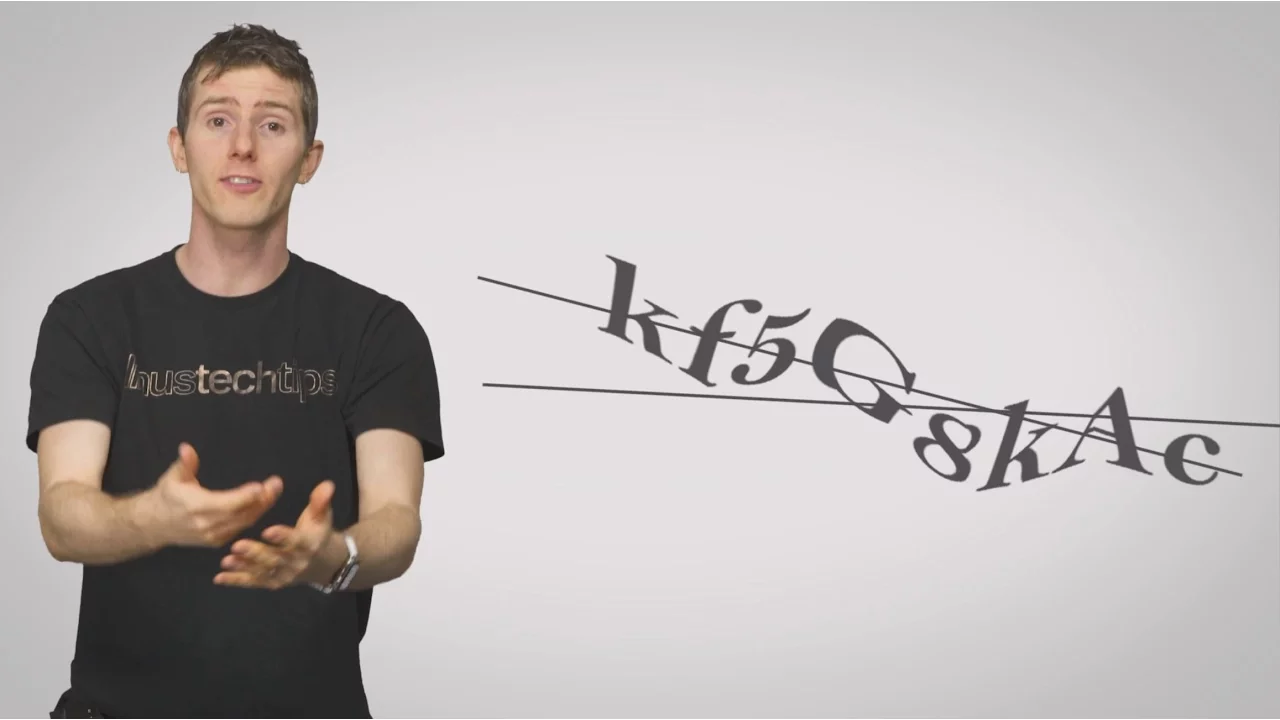
CAPTCHAs are a long-standing method for separating humans from bots by exploiting strengths that people have and machines struggle with. The video traces CAPTCHA origins back to the late 1990s when Altavista sought to curb automated spam and malicious links, and engineers designed puzzles that would be easy for humans but hard for computers to decipher. Early CAPTCHAs relied on distorted text that challenged optical character recognition, sometimes including misalignment and stray marks to thwart automated solvers. The narration explains how these puzzles evolved to include audio variants for the visually impaired, maintaining accessibility while keeping automated systems at bay. The presenter highlights how CAPTCHAs are deployed in scenarios from registering for accounts, posting comments, to securing ticket purchases, where bots might otherwise overwhelm systems or scalp tickets. The video also notes that some CAPTCHAs are triggered or bypassed by suspicious activity, such as the use of VPNs, and discusses the importance of secure CAPTCHA implementation to prevent backdoor leakage of answers. Overall, the discussion frames CAPTCHA as an ongoing arms race between bot developers and defenders, with continuous adaptations in both directions. The piece closes by touching on privacy concerns tied to broader verification systems, including Google’s NoCaptcha, and the balancing act between user convenience and robust protection. The takeaway is that CAPTCHA design blends user experience with technical safeguards, and the landscape is unlikely to settle soon as automation advances.
Topics · Science & Technology · Internet Technology · Cybersecurity · Privacy
Questions answered
- What does CAPTCHA stand for and why was it created?
- CAPTCHA stands for Completely Automated Public Turing Tests to Tell Computers and Humans Apart. It was created to prevent automated bots from abusing online services by leveraging a task easy for humans but difficult for computers, such as deciphering distorted text.
- How does Google's NoCaptcha system determine whether you are human?
- NoCaptcha assesses user interaction patterns such as mouse movements, the timing and manner of clicks, IP address, and cookie activity to infer whether the user is likely human rather than a bot.
- Why are CAPTCHAs used across the internet?
- CAPTCHAs are used to prevent bots from spamming accounts, posting harmful content, and scalping tickets, thereby protecting services from abuse and preserving legitimate user access.